
Trump’s Warning to Congress: President Says He Will Use “Tremendous” Executive Powers if Democrats Take Control
Trump’s Warning to Congress: President Says He Will Use “Tremendous” Executive Powers if Democrats Take Control
President Donald Trump has issued a stark warning about how he intends to govern after the 2026 midterm elections, telling CBS News he is prepared to use what he called “tremendous” executive powers if Democrats take control of Congress. His comments came as voters delivered a major electoral setback to Republicans, giving Democrats control of both chambers and setting up a potentially confrontational final two years of Trump’s term.
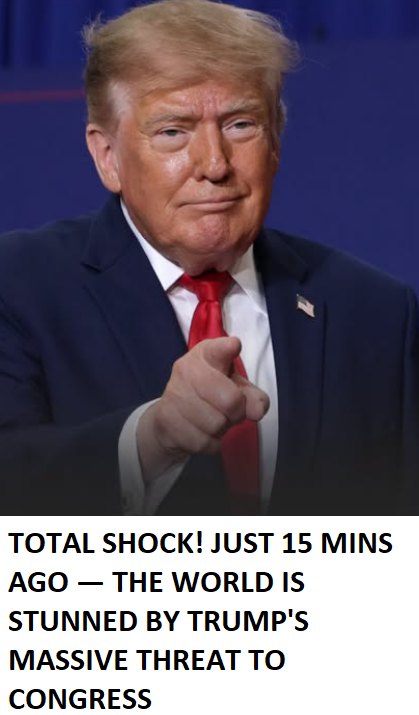
The image’s claim of a “massive threat to Congress” refers to this warning and Trump’s separate vow to become “Mr. Veto” if Democrats send legislation to his desk. The remarks signal a looming struggle between the White House and a newly empowered Congress, but they do not mean the president can legally bypass every congressional power.
1. What Trump Told CBS News
During an interview with CBS News chief Washington analyst Robert Costa on Election Night, Trump discussed the possibility of Democrats taking control of Congress. According to Costa’s account of the conversation, the president said he would become “Mr. Veto” if Democrats won the House.
Costa also reported that Trump believed he possessed expansive executive authority and was prepared to use “tremendous powers” in the coming year to advance his agenda.
The comments were more than a general expression of frustration with the opposition. They offered a preview of how Trump might respond to a Congress controlled by Democrats: vetoing legislation, relying more heavily on executive action and challenging congressional efforts to investigate his administration.
2. Democrats Won Control of Congress
Trump’s warning came as the 2026 midterm results delivered a major setback to his party. Democrats won control of both the House of Representatives and the Senate, giving them the ability to shape congressional priorities and intensify oversight of the administration.
The result changes the political environment for Trump’s remaining two years in office. Democratic lawmakers will have greater power to hold hearings, issue subpoenas, investigate executive-branch decisions and block or reshape legislation.
The election also raised questions within the Republican Party about the administration’s strategy. Reuters reported that Republican officials and strategists were urging Trump to reconsider unpopular policies, including the Iran war and tariffs, after the losses.
3. The White House Had Already Prepared to Govern Without Congress
Trump’s comments did not emerge in isolation. A Reuters investigation published November 1 reported that the White House had spent months preparing for the possibility of a Democratic takeover.
According to a White House official and two people familiar with the plans, senior officials—including Deputy Chief of Staff Stephen Miller and budget director Russell Vought—had been working with the White House Counsel’s Office since April to identify policies that could be advanced through executive action.
The areas under review reportedly included immigration, tariffs, housing costs and federal spending. The administration was also examining the legal limits of presidential authority and how it might defend executive actions in court.
The planning suggests the administration anticipated a divided government and was preparing to pursue parts of Trump's agenda without relying on new legislation.
4. What Does “Mr. Veto” Mean?
The president’s veto threat is particularly important because Congress controls the passage of federal legislation, while the president has the constitutional authority to approve or reject bills sent to the White House.
If Trump vetoes a bill, Congress can still enact it by overriding the veto with a two-thirds vote in both the House and Senate. That threshold is difficult to reach, meaning a president can often prevent legislation from becoming law even when the opposing party controls Congress.
Trump’s “Mr. Veto” remark therefore signals a willingness to use one of the presidency’s most significant constitutional powers as a political countermeasure against a Democratic legislative agenda.
However, a veto does not allow the president to erase existing laws or independently control congressional decisions. Congress retains its own constitutional responsibilities, including appropriations, oversight and lawmaking.
5. Executive Power Could Become the Next Major Battleground
Trump’s reference to “tremendous” executive powers raises a separate question: how far can a president go without congressional approval?
Presidents can issue executive orders, direct federal agencies within the limits of existing law, manage aspects of foreign policy and exercise other powers granted by the Constitution or Congress.
But executive authority is not unlimited. Courts can block actions that exceed statutory or constitutional powers, while Congress can restrict funding, conduct investigations and pass legislation to challenge or reverse certain policies.
Reuters reported that White House lawyers had been examining where Trump could act independently, where he might push the limits of his authority and how the administration could defend those decisions in court.
6. Democrats Are Preparing an Extensive Oversight Agenda
Democratic leaders have indicated that their new congressional majority will use its investigative authority to scrutinize the Trump administration.
The Associated Press previously reported that House Democrats were preparing investigations into a range of issues, including the president’s business interests, immigration enforcement, alleged civil-rights violations, federal agency decisions and the handling of the Epstein files.
Following the election, incoming House Oversight Committee chairman Robert Garcia also warned administration officials to prepare for investigations. He identified subjects including alleged abuses involving immigration agencies, corporate dealings and Trump-linked cryptocurrency ventures.
Democrats will have the ability to request documents, call witnesses and issue subpoenas through congressional committees. Whether those investigations produce formal findings, legal action or additional political conflict will depend on the evidence and how the administration responds.
7. Republicans Are Facing Pressure After the Election Defeat
The election results have also triggered a debate inside the Republican Party over what went wrong.
Reuters reported November 4 that Republican strategists were urging Trump to change course, restore discipline within the administration and reconsider policies that may have contributed to the party’s losses.
The Iran war and tariffs were among the issues drawing criticism. Vice President JD Vance also reportedly pointed to the conflict with Iran as a factor in the Republican defeat.
Despite the pressure, Trump showed little willingness to change direction immediately. The president’s public warning about executive power suggests that he intends to maintain control of his administration’s agenda even as Democrats prepare to challenge it in Congress.
8. What Happens Next?
The next major test will come when the new Congress convenes in January 2027. Democrats will then be able to use their majorities to set committee priorities, launch investigations and determine which legislation receives consideration.
Trump, meanwhile, can use his veto authority, executive orders and control over the federal executive branch to pursue his priorities within constitutional and statutory limits.
Several potential flashpoints are already emerging:
-
Federal spending: Disputes over budgets and government funding could create repeated confrontations.
Immigration: Executive actions may face congressional scrutiny and legal challenges.
The Iran conflict: Democrats could seek hearings and oversight into the administration’s military decisions.
Investigations: Subpoenas and requests for documents could trigger disputes over executive privilege and compliance.
Presidential authority: Major executive actions may be challenged in federal court.
The outcome will depend on how aggressively Democrats use their new congressional power and how far the administration is willing to push its interpretation of executive authority.
9. A New Constitutional and Political Showdown?
Trump’s remarks have set the tone for what could become a difficult period in Washington. A president facing an opposition-controlled Congress can still exercise substantial authority, but the balance of power changes when lawmakers from the opposing party control both chambers.
The president can veto bills and direct executive agencies, while Congress can investigate the administration, control appropriations and use legislation to challenge its policies. Federal courts remain another important check when disputes involve constitutional or statutory limits.
The central question is no longer simply whether Trump will cooperate with Democrats. It is how the White House and Congress will use their respective powers—and whether their disagreements can be resolved through the constitutional process.
Trump has made clear that he intends to resist a Democratic congressional agenda. His warning about “tremendous” executive powers now provides an early indication of how confrontational the next phase of his presidency could become.
Comments (0)
Loading comments...
May You Like

FCC CLEARS SPACEX FOR ONE MILLION AI SATELLITES AS ASTRONOMERS SOUND ALARM

BANGCHAK REFINERY IN THAILAND SHUT DOWN, U.S. OIL PRICES JUMP 10%!

$1 BILLION DISASTER AT BANGCHAK REFINERY, THAILAND—40 BURNED, 8 AMERICANS DEAD!

Latest Posts







Popular Posts





