
TRUMP’S XI REMARK SPARKS FIGHT OVER HUANG’S RETURN AND CHINA CHIP ACCESS
WASHINGTON — NOV 21, 2026 — A leadership dispute at Nvidia has become part of a wider argument over American technology, Chinese demand and the future of artificial intelligence.
The company’s advanced processors sit at the center of competition between Washington and Beijing, where access to computing power has become both an economic priority and a security concern.
With political leaders discussing trade and technology, investors and lawmakers are watching how Nvidia’s board responds to pressure surrounding its former chief executive Jensen Huang.
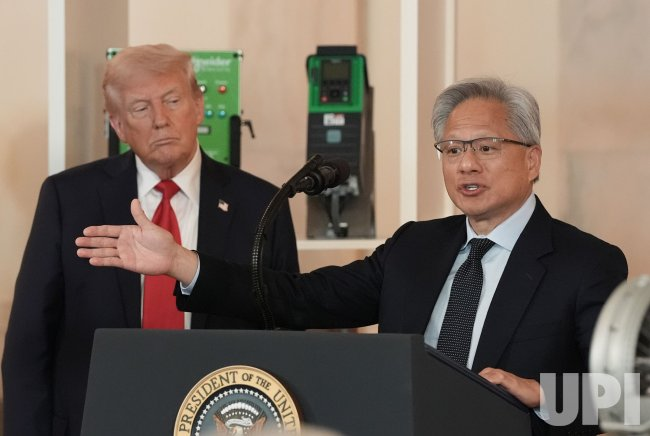
Nvidia designs processors used in data centers that train and operate artificial intelligence systems, including products sold to cloud companies that rent computing capacity to customers around the world.
Chinese companies have been significant customers for advanced computing hardware, while their government has also pushed to develop domestic semiconductor capabilities and reduce dependence on foreign suppliers.
Washington has imposed export controls intended to limit Chinese access to certain advanced chips because officials fear the technology could strengthen military and intelligence capabilities.
Businesses and policymakers disagree over how strict those restrictions should be, with some arguing that sales support American innovation and others warning of risks from diverted products.
Huang, who co-founded Nvidia, became a prominent advocate for the company’s global business and met political leaders in both countries while leading its expansion.
Huang resigned on November 12 after reports about his personal relationships and an alleged foreign intelligence connection prompted scrutiny of his conduct and the company’s controls.
China denied that the businesswoman named in the reporting was an intelligence asset, and the allegations alone do not establish that classified information or company secrets were transferred.
Nvidia named finance chief Colette Kress interim chief executive and created a board committee to oversee national security policy, export compliance and global trade risks, as the company searches for a permanent successor to its longtime leader.
American lawmakers have sought answers about whether restricted chips reached Chinese customers and what Nvidia knew about transactions involving the Singapore-based company Megaspeed.
The Justice and Commerce departments have said they are investigating alleged export-control violations involving Megaspeed, while the company says it is conducting an internal review.
In a possible review, Chinese technology officials could examine how Nvidia’s leadership change and American export restrictions might affect access to computing hardware and long-term supply agreements.
Such an assessment would involve commercial and strategic interests, but it would not by itself show that Beijing had a preferred candidate for Nvidia’s leadership.
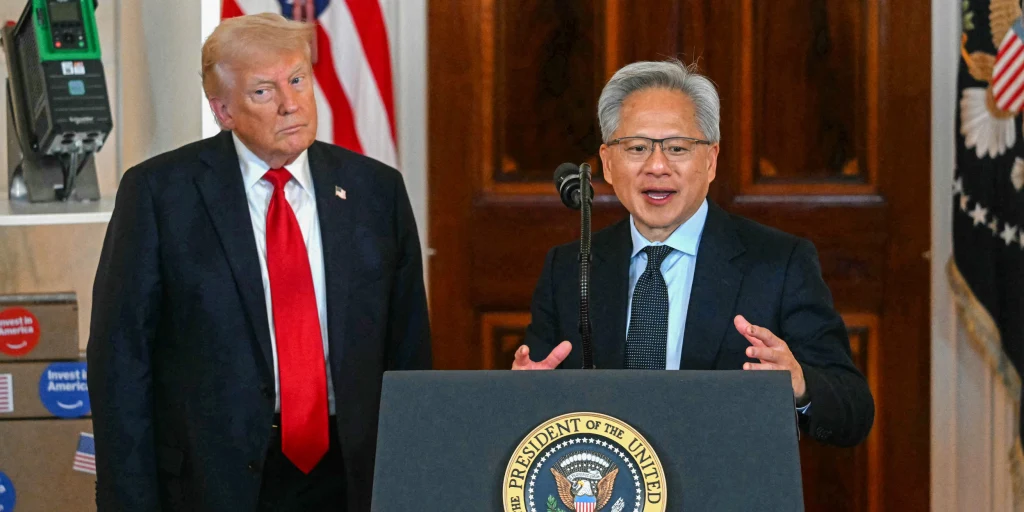
On November 17, Huang said he would be willing to return if the board decided that doing so served the company and its stakeholders.
Board chair Harvey Jones said the directors did not intend to reinstate Huang, establishing the company’s public position before the latest comments from Washington.
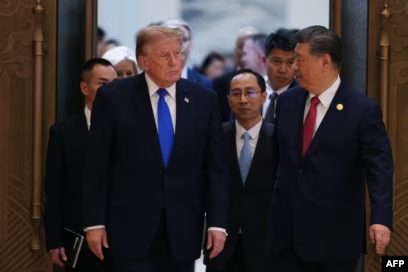
After meeting Xi Jinping, President Donald Trump said on November 20 that the Chinese leader had described Huang as brilliant, and Trump called for Nvidia to give its founder another chance.
No public evidence establishes that Xi or the Chinese government asked Nvidia to bring Huang back, so the person openly pressing for reinstatement in the available account is Trump.
Beijing’s broader interest is access to advanced computing technology and greater chip independence, while whether it wants Huang personally reinstated remains unanswered as investigations and export restrictions continue.
Comments (0)
Loading comments...
May You Like

PENTAGON'S DECLASSIFIED UFO FILES — THE MYSTERY OF AN UNDERGROUND STORAGE PROJECT!

AMERICA’S NEW-GENERATION AIRCRAFT CARRIERS — MILITARY MIGHT BUILT AT THE EXPENSE OF THE PEOPLE

AMERICA'S LUCAS DRONE — A POTENTIAL GAME CHANGER IN THE SOUTH CHINA SEA?













