
TWO OIL TANKERS EXPLODE NEAR HORMUZ — IS AMERICA FACING AN OIL PRICE SHOCK?
TWO OIL TANKERS REPORTEDLY EXPLODE NEAR THE STRAIT OF HORMUZ — SO WHY ARE U.S. OIL PRICES STILL STABLE?
NEW YORK, UNITED STATES — NOVEMBER 20, 2026
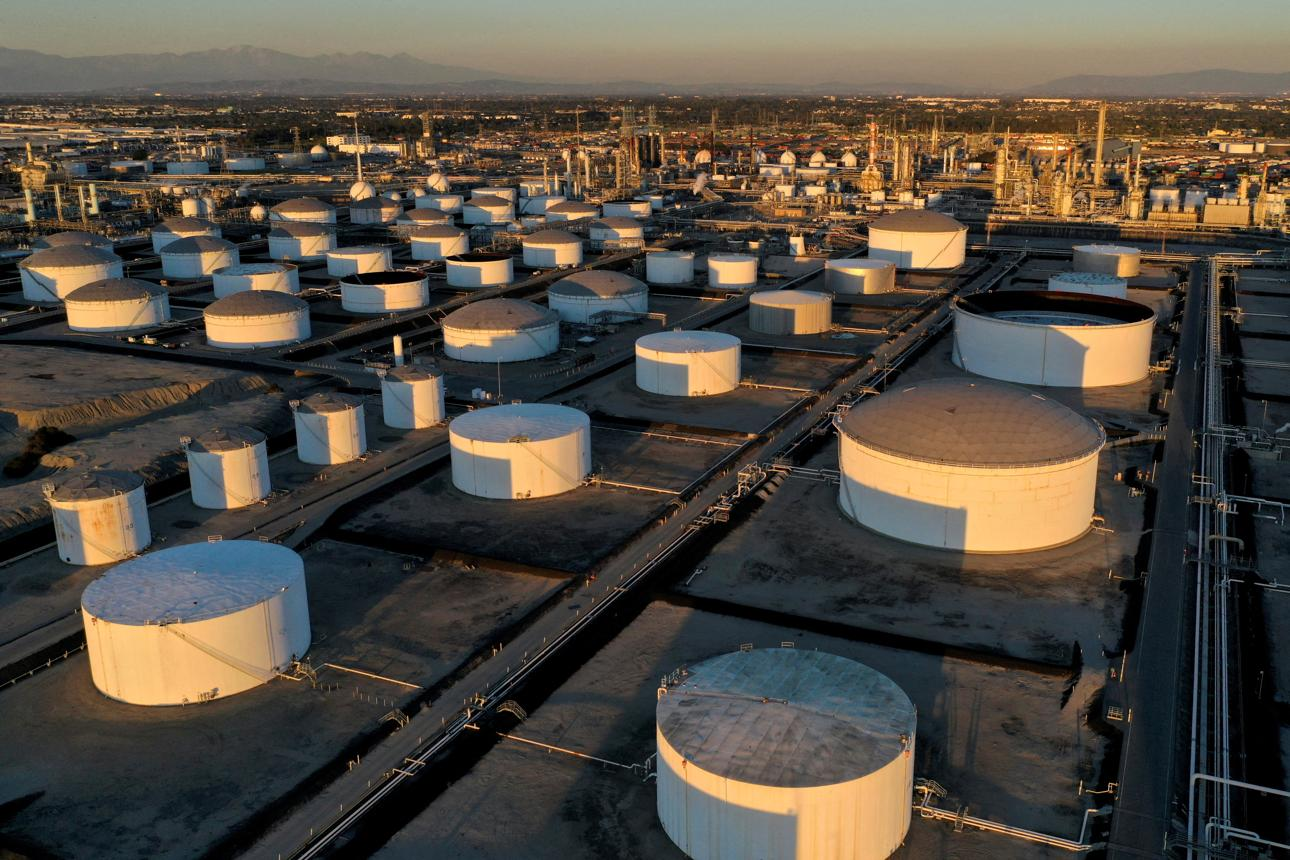
Two oil tankers reportedly struck naval mines in the Strait of Hormuz. Tensions remain high across the Middle East. Yet American oil prices have barely moved.
In an unexpected market reaction, oil futures ended November 19 almost unchanged despite fresh reports of dangerous shipping incidents in one of the world's most important energy corridors.
The explanation lies in a powerful counterweight to geopolitical fears: rising U.S. crude inventories and expectations of more abundant global oil supplies.
But the calm in financial markets does not necessarily mean the danger has passed.
Could gasoline, transportation and grocery prices suddenly rise if the situation worsens? And how much could ordinary American families ultimately pay?
Two Tankers Reportedly Hit Naval Mines — But Key Details Remain Unverified

On November 19, Iran's navy announced that two oil tankers had struck naval mines in the Strait of Hormuz and exploded.
The claim was reported by Reuters, which stated that it could not independently verify the incident.
Reuters
That distinction is important.
Although the reports have raised concerns about maritime safety, the available information does not establish the vessels' identities, the extent of the damage or responsibility for the alleged mines.
Nevertheless, even the possibility of attacks on commercial shipping can influence energy markets.
Shipowners, insurers and energy traders must consider whether further incidents could disrupt the movement of crude oil.
Oil Prices Barely Move Despite the Alarming Reports
NOVEMBER 19, 2026 — SETTLEMENT PRICES
Brent crude
$91.98
+0.03%
Per barrel
U.S. WTI crude
$83.21
−0.06%
Per barrel
Reuters settlement data for Thursday, November 19. These are benchmark crude futures prices, not retail gasoline prices.
Global Banking & Finance Review
The nearly unchanged settlement prices illustrate how competing forces are influencing the market.
Shipping disruptions support oil prices by increasing fears of shortages.
At the same time, rising inventories and expectations of adequate supplies are limiting upward pressure.
The market is not ignoring the danger. It is weighing the danger against evidence that additional oil is available.
U.S. Oil Inventories Surge by 3.4 Million Barrels
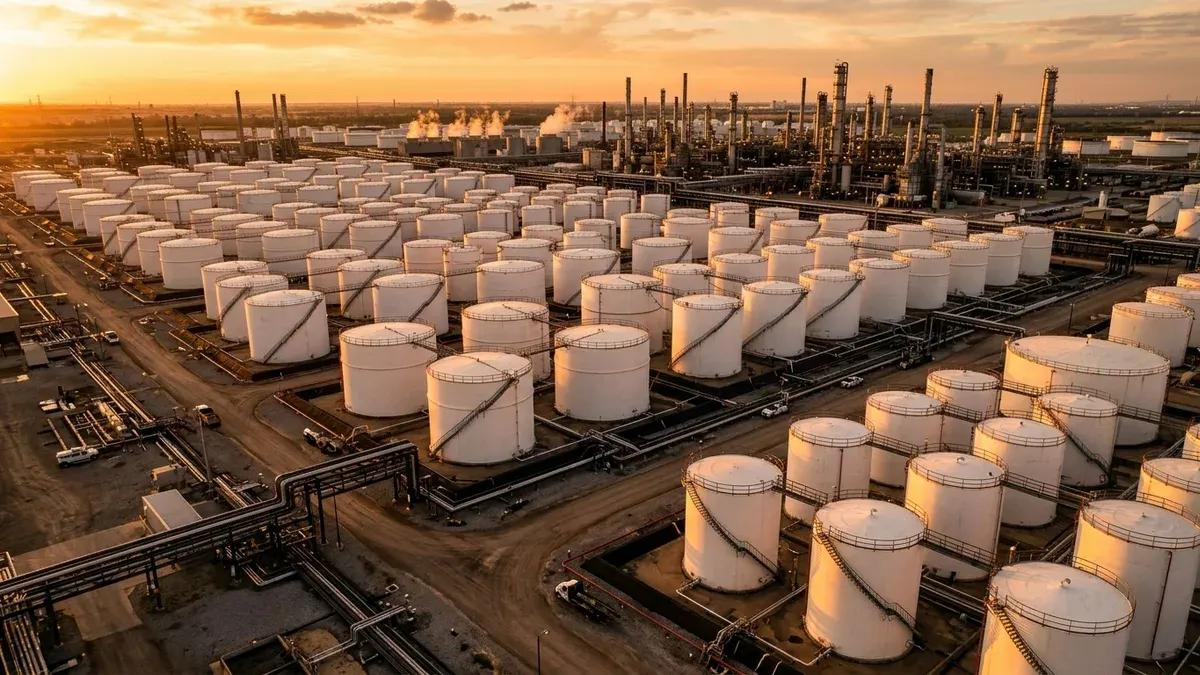
According to the U.S. Energy Information Administration, commercial crude inventories increased by 3.4 million barrels during the week ending November 13.
U.S. commercial crude oil inventories
400M407,5M415M422,5M430MNov. 6Nov. 13
Source: EIA Weekly Petroleum Status Report, week ending November 13, 2026
Weekly change
+3.4 million barrels
ir.eia.gov
The inventory increase was larger than analysts had expected, reinforcing concerns that oil supplies could outpace demand.
However, U.S. commercial inventories were still below their level a year earlier, and the Strategic Petroleum Reserve had declined over the same period.
One strong weekly inventory report does not guarantee that America is protected from a prolonged global supply disruption.
Why the Strait of Hormuz Matters to Every American

Use two fingers to move the map
Use ctrl + scroll to zoom the map
The Strait of Hormuz connects the Persian Gulf with the Gulf of Oman and international shipping routes.
Disruptions in this corridor can affect oil exports from major Middle Eastern producers.
According to an EIA report released November 19, oil shipments through major Middle Eastern maritime chokepoints increased by 19% during the third quarter of 2026 compared with the second quarter.
Producers and shipping companies have adapted by using alternative routes and transferring cargo between vessels.
U.S. Energy Information Administration (EIA)
These adjustments have helped restore some oil flows, but they cannot eliminate the risks associated with a prolonged regional conflict.
Why Are Oil Prices Not Rising Faster?

Three major forces are helping contain prices.
-
Higher U.S. inventories: Additional crude in commercial storage reduces immediate concerns about domestic shortages.
Greater supply expectations: Rising production and export volumes are encouraging forecasts of a more adequately supplied global market.
Improving regional oil flows: Alternative shipping arrangements have helped energy exporters move more oil despite continuing security concerns.
Saudi Arabia's crude exports also increased to 5.38 million barrels per day in September, according to data cited by Reuters.
Investing.com Australia
However, the situation remains fragile. A serious interruption to shipping could quickly change the balance between supply and demand.
Could Gasoline and Grocery Prices Rise?

Oil prices influence more than the cost of filling a vehicle.
Crude oil is refined into gasoline, diesel and jet fuel. Energy prices also affect transportation, manufacturing and agricultural supply chains.
If oil prices increase substantially and remain elevated, households could face higher costs in several areas.
|
Household expense |
Potential impact
Gasoline
Higher prices at the pump
Groceries
Increased transportation and production costs
Airline tickets
Greater fuel expenses for carriers
Shipping and deliveries
Higher diesel and freight costs
Household budgets
Less disposable income after essential expenses
These effects would depend on how much oil prices rise, how long the increase lasts and whether businesses pass higher costs to consumers.
What Would an Oil Price Shock Cost Your Family?
The following calculator illustrates the additional gasoline expense from a hypothetical price increase. It is not a forecast of future fuel prices.
ESTIMATED EXTRA GASOLINE COST
$30.00 / month
$360.00 per year if the increase lasts 12 months
Monthly gasoline use
60 gallons
Hypothetical gasoline price increase
+$0.25 per gallon
+$0.50 per gallon
+$1.00 per gallon
+$1.50 per gallon
Illustrative direct gasoline cost only; excludes groceries, freight, electricity and other possible indirect effects.
A family using 60 gallons of gasoline monthly would spend an additional $30 per month if gasoline prices increased by 50 cents per gallon.
Over an entire year, that would amount to $360 in additional fuel expenses.
Could the Global Oil Market Face Another Supply Crisis?
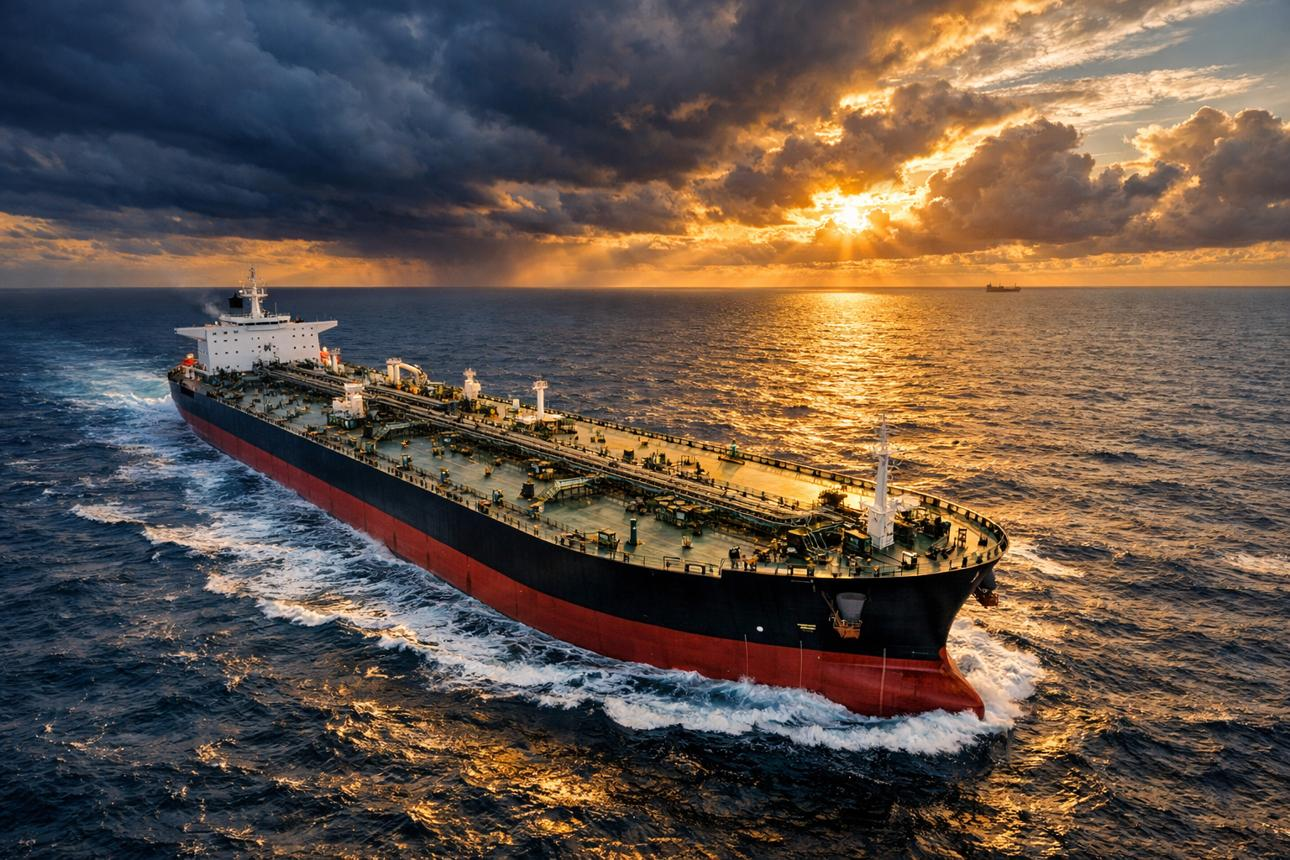
The EIA reported that the average Brent crude spot price reached approximately $124 per barrel in October, reflecting the severe effects of the regional conflict.
By November 18, the benchmark had fallen more than $30 per barrel from that October monthly average as regional oil flows improved.
U.S. Energy Information Administration (EIA)
The agency's November outlook projected Brent averaging approximately $99 per barrel in December and $86 in 2027.
Those forecasts suggest the possibility of easing prices, but they depend on assumptions about production, demand and continued oil transportation.
A renewed disruption could undermine that outlook.
The Worst-Case Scenario: What If Shipping Through Hormuz Is Severely Disrupted?
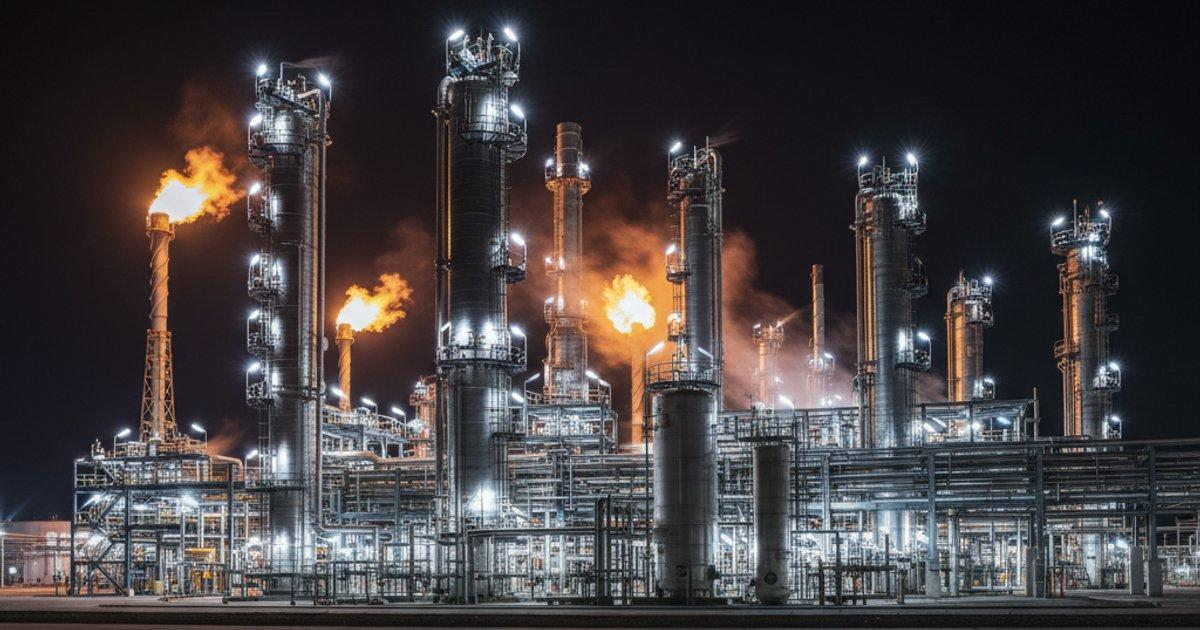
A prolonged interruption of oil shipments could produce a chain reaction across the global economy.
Energy traders might respond by bidding up crude prices. Shipping companies could face higher insurance premiums and transportation costs. Refiners might encounter difficulties obtaining the types of crude they require.
American consumers could then face higher gasoline and diesel prices, while businesses might pass additional operating costs to customers.
However, this remains a risk scenario, not an outcome established by the reported November 19 tanker incidents.
The critical factor is not simply whether two vessels were damaged. It is whether attacks begin to interfere with oil transportation on a sustained, large scale.
America's Oil Market Is Calm — But How Long Can That Last?
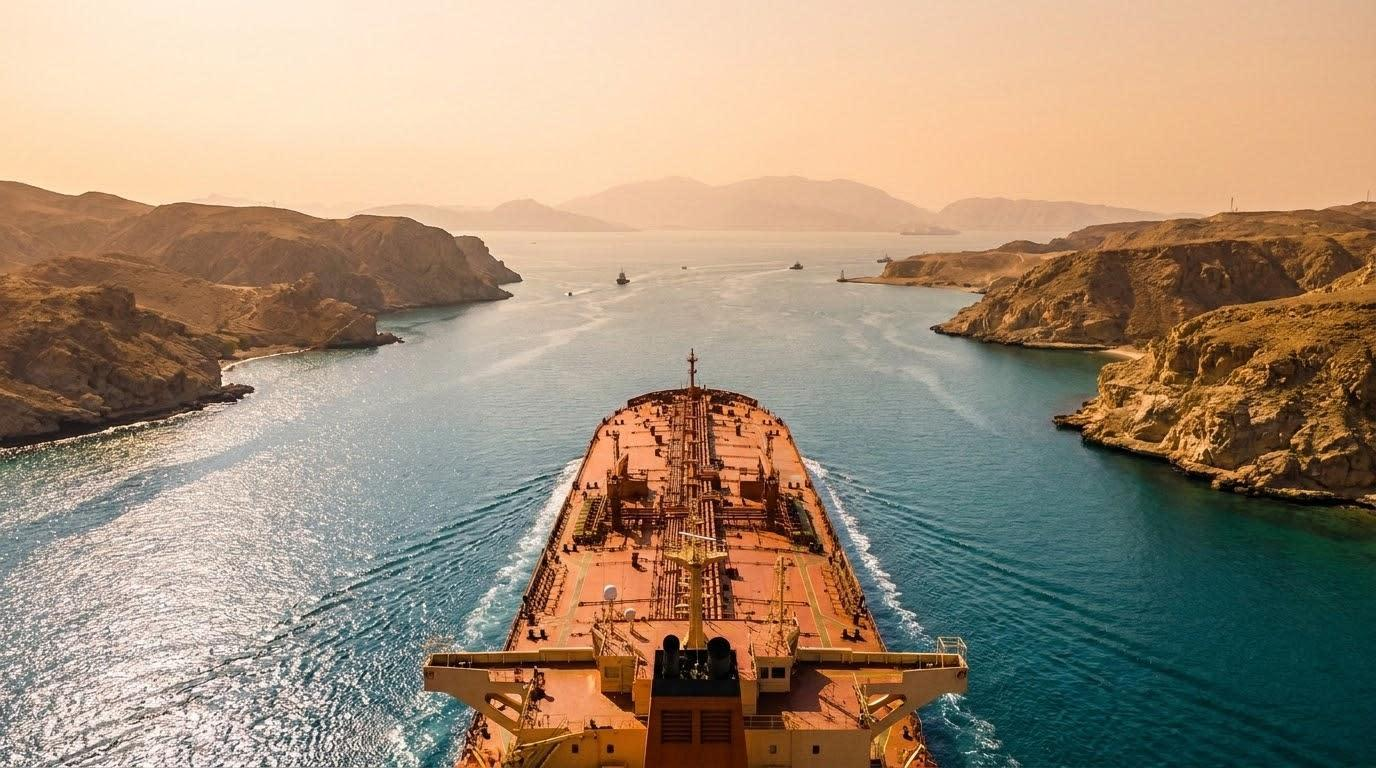
Two tankers have reportedly been involved in explosions near the Strait of Hormuz.
American crude inventories have increased.
And oil prices ended November 19 almost unchanged.
For American consumers, the immediate market reaction offers some relief. But the underlying security risks have not disappeared.
The next major change in oil prices could depend on whether maritime traffic continues recovering or fresh incidents disrupt regional exports.
The oil market may be stable today, but a sustained supply disruption could still affect American household budgets.
Will growing U.S. inventories keep gasoline prices under control?
Or could another confrontation in the Strait of Hormuz trigger a new wave of inflation?
AMERICA, WHAT DO YOU THINK? SHARE YOUR OPINION IN THE COMMENTS BELOW!
Comments (0)
Loading comments...
May You Like

AMERICA'S LUCAS DRONE — A POTENTIAL GAME CHANGER IN THE SOUTH CHINA SEA?

WARNING: OVER 1 MILLION COULD LOSE POWER AND NEARLY 2 MILLION FACE WATER ALERTS ON THANKSGIVING!

PACIFICA PIER IN CALIFORNIA COLLAPSE REVEALS MASSIVE CRACK BENEATH THE OCEANs!









Popular Posts




