
UN Investigators Raise War Crimes Allegations Against the U.S. Over Deadly Iran Strikes — What Happens Next?
UN Investigators Raise War Crimes Allegations Against the U.S. Over Deadly Iran Strikes — What Happens Next?
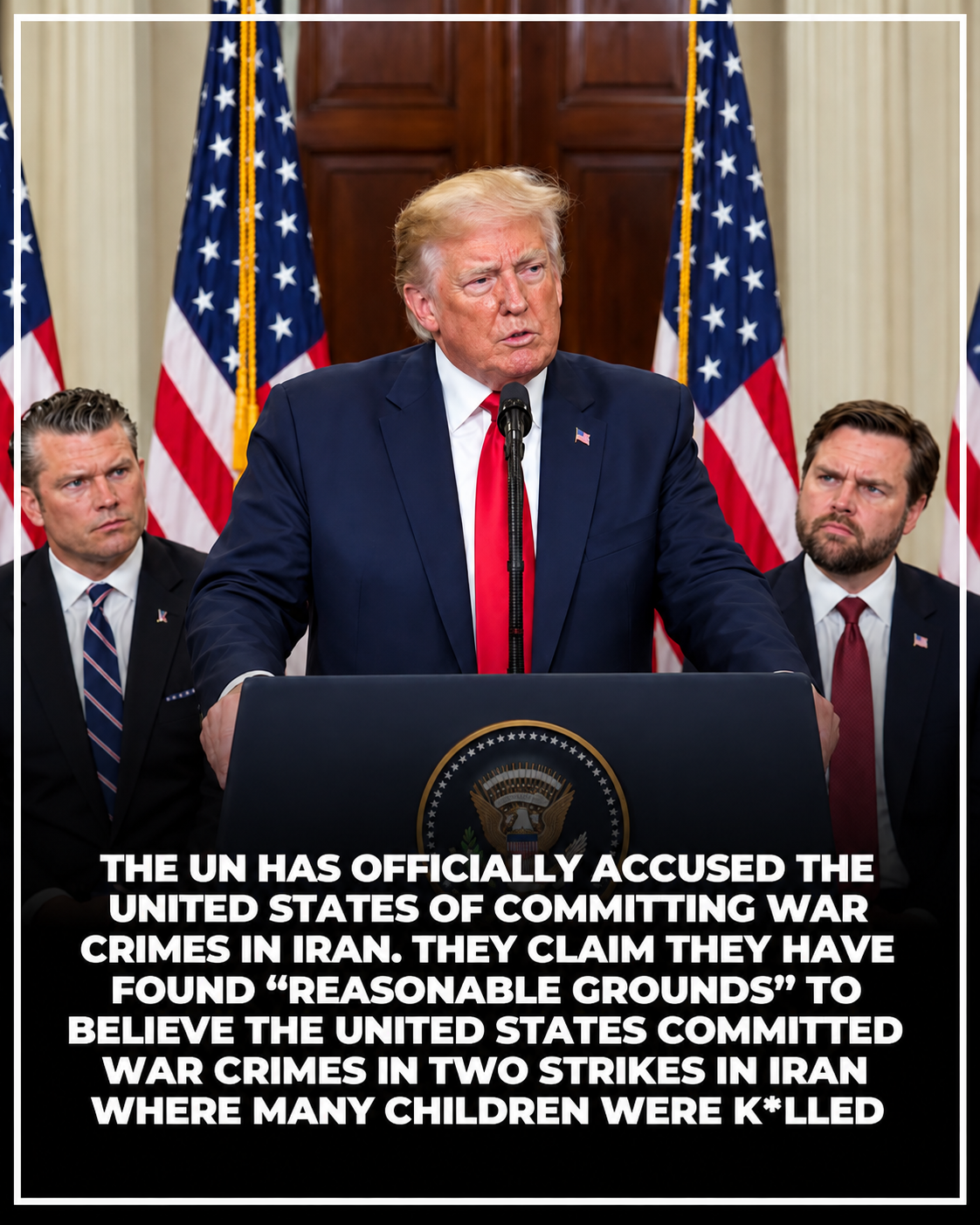
A United Nations-backed investigation has put two deadly American strikes in Iran under extraordinary international scrutiny, raising questions that reach from the battlefield to the highest levels of Washington.
In findings made public on September 17, 2026, the Independent International Fact-Finding Mission on Iran said there were reasonable grounds to believe the United States was responsible for attacks that constituted war crimes under international humanitarian law.
The inquiry focused on two strikes carried out on February 28, the opening day of the conflict involving the United States, Israel and Iran. One hit a primary school in Minab; the other struck a sports facility in Lamerd.
The distinction between an investigative finding and a criminal conviction is critical. The mission's conclusions are serious, but they do not represent a judgment issued by an international criminal court.
In Minab, the Shajareh Tayyebeh primary school was struck during the school day. Investigators cited credible information indicating that 157 people died there, including 123 children aged 13 or younger.
The reported toll has varied across investigations and news accounts. The United Nations mission emphasized the available evidence while acknowledging the difficulties of independently establishing every detail amid the conflict.
The school stood near a facility associated with Iran's Islamic Revolutionary Guard Corps. Yet the investigators said they found no evidence that the school itself was being used for military purposes.
That distinction matters under the laws of armed conflict, which require forces to distinguish military targets from civilian buildings and to take feasible precautions to prevent civilian deaths.
The mission said the available evidence suggested that the United States had failed to adequately verify the civilian character of the school before the strike. Investigators described the apparent targeting failures as going beyond ordinary negligence.
A separate strike on a sports complex in Lamerd also came under examination. Together, the two incidents reportedly killed roughly 180 civilians, although casualty figures remain subject to verification.
Reporting on a preliminary American military assessment indicated that U.S. forces were likely responsible for the Minab school strike and that outdated targeting information may have contributed to the tragedy.
That preliminary account did not establish that American forces deliberately sought to kill schoolchildren. Intent, recklessness and the adequacy of targeting precautions are separate questions that investigators must assess.
Human Rights Watch and Amnesty International have called for rigorous accountability, arguing that available imagery, weapons analysis and evidence about the school's longstanding civilian use warranted an exhaustive investigation.
Amnesty's March assessment said the Minab strike appeared to have involved a U.S. weapon and criticized failures to take feasible steps to protect civilians. Its findings added pressure for the Pentagon to disclose a complete account.
U.S. officials previously said the incident was under investigation and maintained that American forces do not deliberately target civilians. Those statements do not, by themselves, resolve questions about the legality of the operation.
The fact-finding mission worked without direct access to U.S. or Israeli military personnel, drawing instead on satellite imagery, authenticated video, weapons analysis and witness accounts. Those constraints are important when evaluating its conclusions.
The same United Nations investigation also examined the Iranian government's crackdown on domestic protests and reported evidence of crimes against humanity. Its remit therefore extended beyond allegations against Washington.
The report has intensified debate about what accountability can realistically look like. The mission can document evidence and make findings, but it cannot independently prosecute military commanders or political leaders.
For families in Minab and Lamerd, the legal distinctions do not lessen the human loss. Their immediate questions concern who authorized the strikes, what information was available beforehand and whether mistakes or unlawful decisions will be acknowledged.
As international pressure grows, the central unresolved issue is whether transparent investigations will establish responsibility and lead to meaningful remedies. The findings have opened a consequential chapter in the debate over civilian protection during the Iran war.
Comments (0)
Loading comments...
May You Like

BLACK FRIDAY TENSIONS IN NYC — DID PROTESTERS CROSS THE LINE AT A DISNEY STORE?

IOWA CRISIS — 150+ WITH LEAD AND MERCURY POISONING, 69 CRITICAL!













