
U.S. AIR FORCE CLOUD BREACH — 1,000+ MILITARY RECORDS EXPOSED, 200+ SITES AT RISK, BILLIONS AT STAKE!
WASHINGTON — November 28, 2026 — A reported cyberattack against one of the United States Air Force's largest cloud computing platforms has raised significant national security concerns, placing renewed attention on the protection of military personnel records, defense logistics and sensitive information supporting American military operations around the world.
The intrusion involves Cloud One, an enterprise computing environment developed to support the modernization of military information systems. The platform provides digital infrastructure for applications used across the defense establishment, connecting administrative responsibilities with services supporting military readiness.
Three people familiar with the incident told Reuters that unauthorized individuals had penetrated the platform. NBC News separately reported that a U.S. official acknowledged the intrusion, while the Air Force declined to publicly discuss the security status of specific systems.
The discovery has raised questions extending far beyond conventional personal information theft. Investigators must determine whether sensitive government records remained protected and whether any information supporting broader defense responsibilities was exposed.
For America's military personnel and their families, the most consequential answers may emerge from the examination of the individual applications and databases supported by the platform.
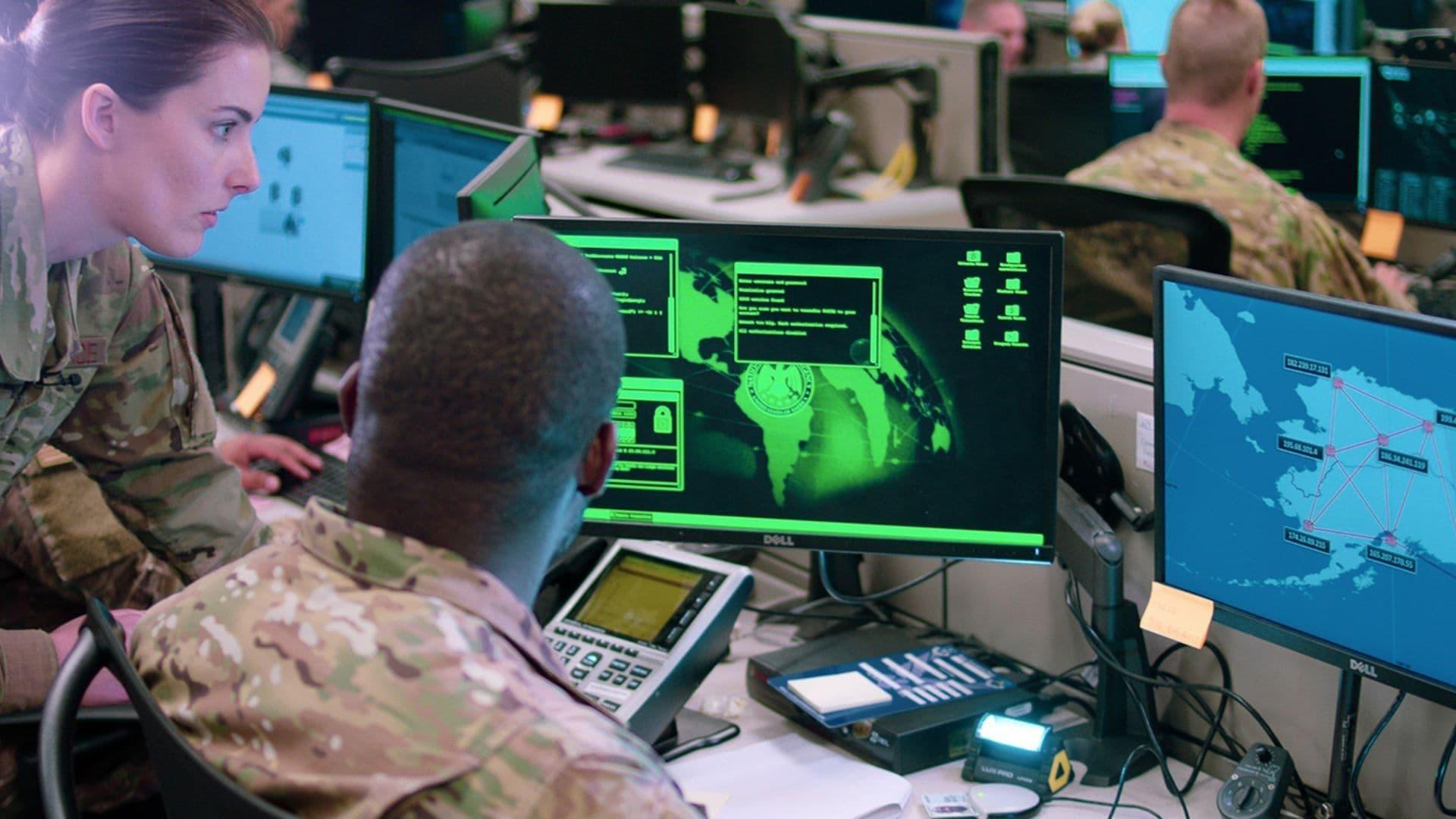
Over the past decade, the United States military has increasingly adopted cloud computing to improve the management of digital information. Systems that once operated through separate computer networks have gradually been integrated into more flexible environments designed to support authorized users across different organizations.
Cloud One represents an important component of this modernization effort. The platform allows military organizations to operate applications without maintaining entirely separate computing infrastructure for every administrative or operational responsibility.
In September 2024, the Air Force announced that Cloud One had reached a milestone with the integration of its 150th application. The announcement reflected the platform's growing importance within the Department of Defense and the military's broader transition toward cloud-based technology.
However, the expansion of shared digital infrastructure also introduces significant security responsibilities. When a major computing platform experiences an intrusion, investigators must establish which applications were affected, whether protected information was accessed and whether authorized users can continue trusting the integrity of their systems.
The reported Cloud One breach has therefore become an important test of the military's ability to protect sensitive information while continuing its technological transformation.
Federal News Network subsequently reported that the military's efforts to address the incident had affected certain administrative functions, highlighting the operational difficulties that can arise while cybersecurity specialists examine potentially compromised infrastructure.
Responding to a major cybersecurity incident involves more than removing unauthorized access. Investigators must determine whether information remains accurate, whether affected services can operate safely and whether additional protective measures are necessary.
This distinction makes the forensic investigation particularly important. The discovery of an intrusion establishes that a security incident occurred, but determining its full consequences requires additional evidence.

Military personnel and their dependents regularly provide personal information to government organizations responsible for administering employment, healthcare, housing and financial benefits.
These records can contain sensitive details that individuals depend on the government to protect throughout their military careers and, in many cases, after retirement.
If an unauthorized individual obtains personal records, the potential consequences may include identity theft, financial fraud and deceptive communications. Certain identifiers cannot easily be replaced, meaning that the effects of a confirmed data breach could continue long after the original security incident has been resolved.
Military households may face additional practical difficulties because of overseas assignments, frequent relocations and extended periods of separation. Responding to suspicious financial activity or administrative problems can become particularly complicated when a family member is deployed.
For military families, the most important development will be whether authorities identify specific records that were exposed and issue appropriate notifications.
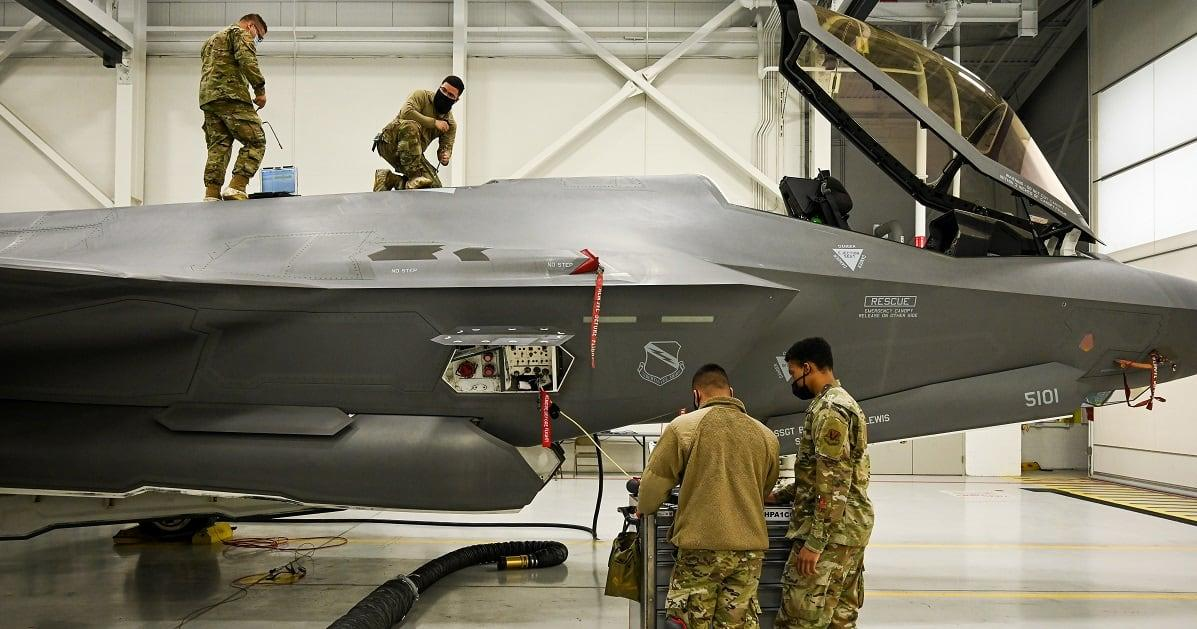
The publicly documented responsibilities of Cloud One illustrate why the reported intrusion has generated concerns extending beyond personal information. Five broad categories of military data warrant particular attention during the investigation.
These categories describe information potentially relevant to the security assessment, rather than a confirmed list of stolen military documents.
The first category involves information supporting the administration of military personnel. A large defense organization depends on digital systems to manage employment records, financial responsibilities and services available to military households.
Unauthorized access to administrative information could create consequences for both individual personnel and the organizations responsible for supporting them.
The severity of any exposure would depend on the nature of the information involved. Limited administrative records may present different risks from documents containing extensive personal identifiers or confidential financial information.
Military aviation depends on extensive maintenance programs involving trained specialists, technical documentation and digital information systems.
In an earlier modernization project, defense contractor Leidos reported that it had helped transfer two important Air Force aircraft maintenance systems into the Cloud One environment. The project demonstrated how cloud computing has become integrated into the administrative and technical responsibilities supporting military aviation.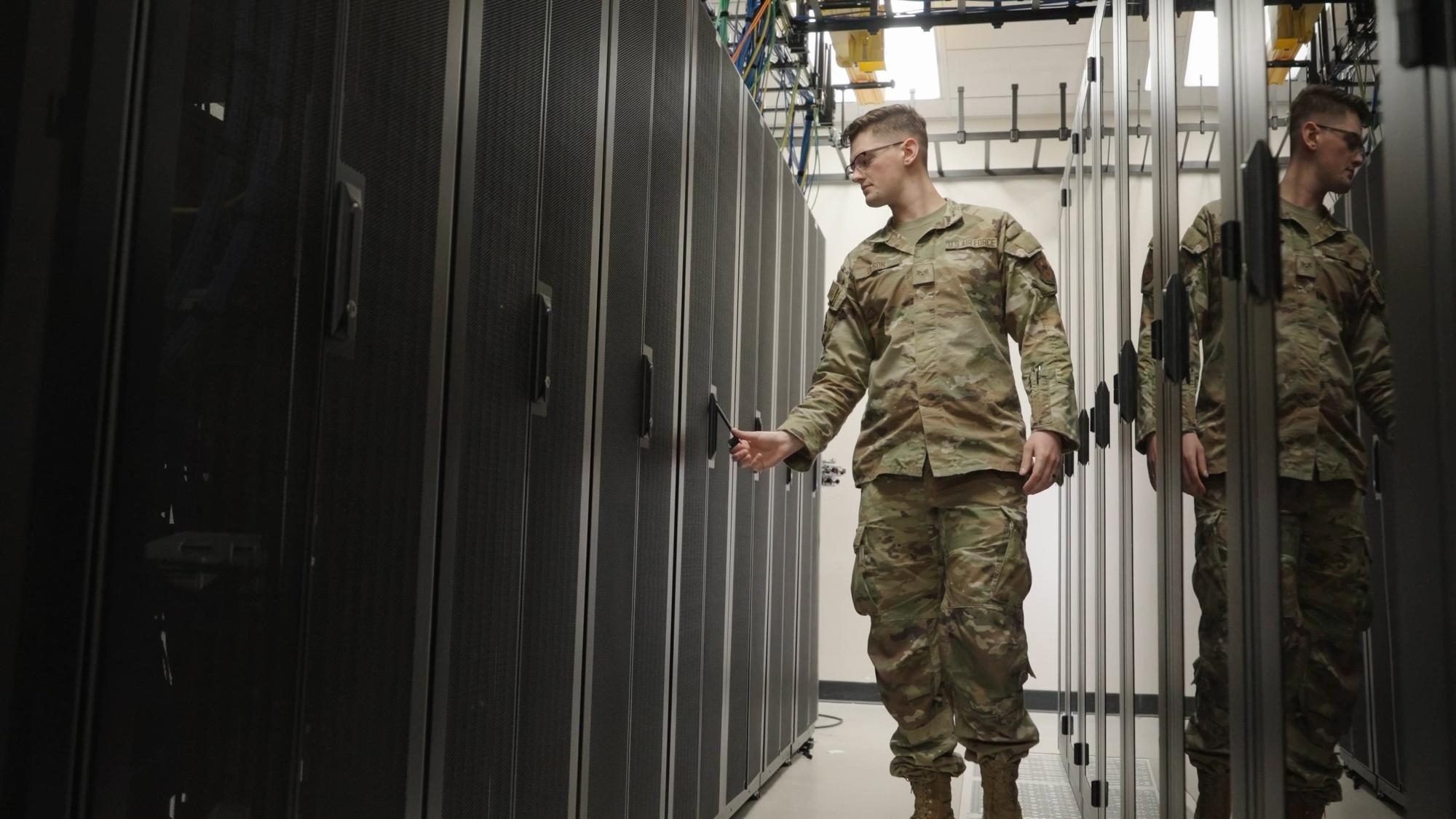
The confidentiality and accuracy of maintenance information are important because military organizations rely on trustworthy records when conducting inspections and managing equipment.
A cybersecurity incident could require authorities to verify that relevant information remains reliable before affected applications return to normal operation.
The United States military operates an extensive logistics network responsible for transporting equipment, replacement components and other essential resources.
Digital applications help authorized personnel coordinate these responsibilities and maintain reliable administrative records. The increasing use of cloud computing allows defense organizations to manage certain activities more efficiently across geographically dispersed facilities.
If logistics-related applications experience security problems, authorities may need to verify the accuracy of their information or temporarily adjust administrative procedures.
The consequences of such an incident would depend on which systems were affected and whether their essential functions remained available.
The protection of logistics information remains an important component of the military's broader security assessment, particularly as defense organizations become increasingly dependent on digital infrastructure.
One of the most significant figures associated with the Cloud One story concerns the geographical reach of a military inventory management application.
Reuters reported that the platform supports a system used for managing military munitions across more than 200 Air Force locations worldwide.
The figure illustrates the extensive responsibilities associated with the computing environment and helps explain why the reported intrusion requires a comprehensive national security assessment.
Digital infrastructure, individual applications and physical installations represent different components of the defense establishment. Investigators must distinguish between an intrusion affecting a computing environment and a demonstrated compromise of military operations.
The fifth category involves information supporting military coordination and operational responsibilities.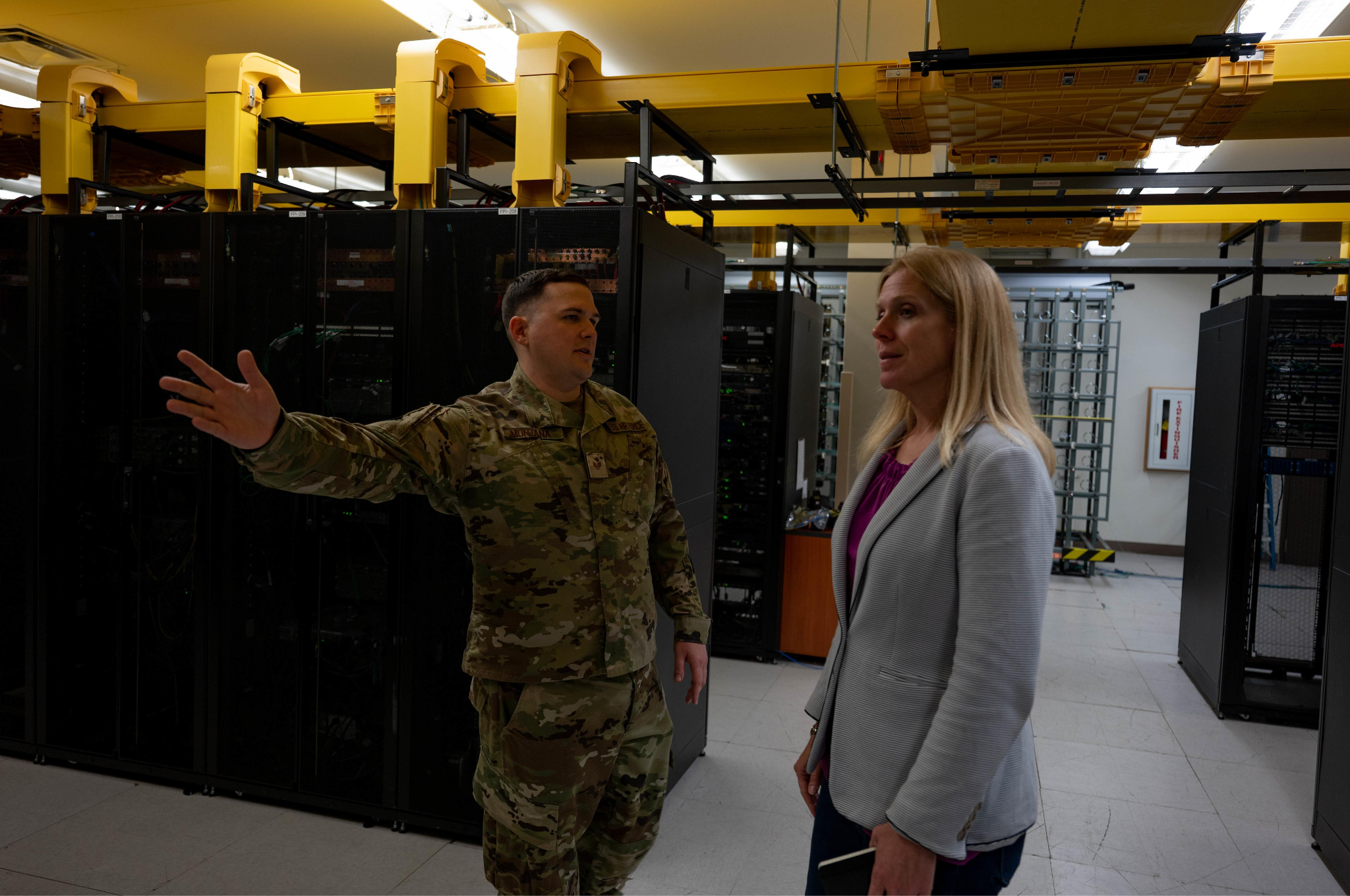
Modern defense organizations increasingly depend on digital systems to communicate, organize information and support authorized decision-making. The reliability of these systems is particularly important because military personnel must be able to distinguish accurate information from incomplete or potentially compromised records.
A significant cybersecurity incident may require specialists to assess whether relevant services remained secure throughout the period of unauthorized access.
For national security authorities, determining the distinction between possible exposure and demonstrated compromise will remain central to the investigation.
The Cloud One incident occurred during a period of substantial investment in the modernization of Air Force computing infrastructure.
On March 11, 2026, Leidos announced a $454.9 million contract to improve and secure the Air Force's cloud operations. The initiative involves collaboration with major commercial technology providers and is intended to improve the management, security and deployment of digital services.
The project reflects the growing importance of cloud computing within America's defense establishment. Maintaining digital infrastructure capable of supporting numerous military applications requires continuing investment, technical expertise and coordination between government organizations and private contractors.
The discovery of the reported intrusion introduces additional questions about how security is maintained during complex technology transitions.
Establishing responsibility would require investigators to examine the circumstances surrounding the intrusion, applicable contractual obligations and the findings of the security assessment.
A cybersecurity incident affecting a commercial company can produce significant financial and personal consequences. An incident involving military infrastructure may introduce additional concerns because government organizations depend on digital systems to support national defense.
Cybersecurity specialists generally evaluate three fundamental properties of information: confidentiality, integrity and availability.
Confidentiality concerns whether unauthorized individuals obtained protected information. Integrity involves determining whether records remain accurate and trustworthy. Availability concerns whether authorized personnel can continue using essential services when required.
An incident can affect one of these properties without necessarily compromising the others. Information may remain accessible despite unauthorized disclosure, while an application may become temporarily unavailable because authorities have introduced precautionary restrictions.
For the military, each category requires careful assessment. Protecting confidential information remains essential, but restoring reliable access and maintaining trustworthy records are equally important.
The Cloud One investigation will need to establish whether the consequences were limited to unauthorized access or whether additional aspects of the computing environment were affected.
The possibility that sensitive military secrets were exposed represents one of the most consequential questions surrounding the reported intrusion.
Government information can be sensitive for several different reasons. Some records contain personal information protected by privacy laws, while others concern internal administrative activities, technical responsibilities or national security.
Classified information is subject to separate protective requirements intended to limit access to appropriately authorized individuals.
Determining whether classified material was compromised would require evidence identifying the affected information and its security classification. Authorities would also need to establish whether the attackers actually obtained access to those records.
NBC News reported that the intrusion could have exposed sensitive military information, but the complete scope of the incident remains unresolved.
The distinction between potential access and confirmed exposure will be particularly important when evaluating the national security consequences of the breach.
Cybersecurity investigations frequently involve challenges that differ from conventional criminal investigations. Unauthorized digital activity can cross geographical boundaries, and determining who directed a particular intrusion may require cooperation among several government organizations.
Authorities must distinguish between the technical evidence associated with an incident and conclusions about the individuals or organizations responsible.
Accurate attribution is especially important when an attack involves military information. An incorrect conclusion could have significant diplomatic and national security implications.
The investigative process must therefore establish responsibility through reliable evidence rather than assumptions about the identity or objectives of the hackers.
For military households concerned about the possible exposure of personal information, official notifications remain an important source of reliable guidance.
Government organizations responding to confirmed data breaches may provide affected individuals with information about the records involved, recommended protective measures and available assistance.
Monitoring financial statements, verifying unexpected communications through official channels and reviewing relevant account activity can help individuals identify potential problems.
Providing clear information to service members and their families will remain an important responsibility as the government determines the extent of any personal data exposure.
The investigation into Cloud One has established the existence of a reported intrusion involving a major American military computing environment. Independent reporting by Reuters, NBC News and Federal News Network has brought attention to the potential implications for personnel information, military administration and operational support.
Similarly, no publicly available assessment reviewed for this report establishes that more than 1,000 military and family records were stolen during the incident.
The precise categories of information accessed, the number of affected individuals and the identity of those responsible remain important outstanding questions.
For the Air Force, the next phase of the investigation will focus on determining the actual scope of the intrusion, verifying the reliability of affected systems and strengthening protections where necessary.
The incident illustrates a fundamental challenge confronting America's increasingly digital defense establishment. Military readiness depends not only on aircraft, equipment and trained personnel, but also on the security and reliability of the information supporting those resources.
The ultimate significance of the Cloud One breach will depend on what investigators establish about the information exposed, the consequences for authorized military operations and the effectiveness of the government's response.
Comments (0)
Loading comments...
May You Like

ANTISEMITIC THREAT CONCERNS IN NEW YORK — HAVE WE LEARNED NOTHING FROM HISTORY?

DAVENPORT AIRBNB HORROR — “SHOTS AT THE DOOR” GAME, 1 DEAD, 6 INJURED!

EAST COAST STORM CRISIS—5 MILLION AT RISK OF BLACKOUTS, WATER, AND HEATING FAILURES!
MINNESOTA EMERGENCY — HOUSE EXPLOSION PUTS 2 HUNDRED FAMILIES AT RISK OF FIRE AND WINTER EVACUATION!

Latest Posts









Popular Posts



