
U.S. ARMY EXPLOSIVES DISPOSAL IN IOWA — WHY WAS THIS HIGH-RISK OPERATION NECESSARY?
MASSIVE CONTROLLED EXPLOSIONS IN IOWA! WHY IS THE U.S. ARMY DESTROYING NEARLY 10,000 POUNDS OF DANGEROUS EXPLOSIVES?
IOWA, UNITED STATES — NOVEMBER 26, 2026
A major military explosives disposal operation in Iowa is drawing public attention after reports that the U.S. Army destroyed nearly 10,000 pounds of potentially unstable lead azide.
Although the enormous explosions may appear alarming, controlled military demolitions are intended to eliminate hazardous materials before they can cause accidental explosions.
Why was this operation necessary, how dangerous was the material, and what were the potential risks to nearby American communities?
1. The U.S. Army Destroys Nearly Five Tons of Unstable Explosives
The operation took place on Wednesday, November 25, 2026, local time, at the Iowa Army Ammunition Plant in Middletown, southeastern Iowa.
Military officials confirmed that a substantial stockpile of deteriorating explosives had been successfully destroyed.
Explosive material destroyed
9,700+ lbs
More than 4.4 metric tons
Storage containers
68 drums
Explosive compound
Lead azide
Operation status
Successful
Sources: U.S. Army and Al Jazeera, November 24–25, 2026.
www.army.mil+1
2. Where Did the Massive Explosion Occur?
📍
Use two fingers to move the map
Use ctrl + scroll to zoom the map
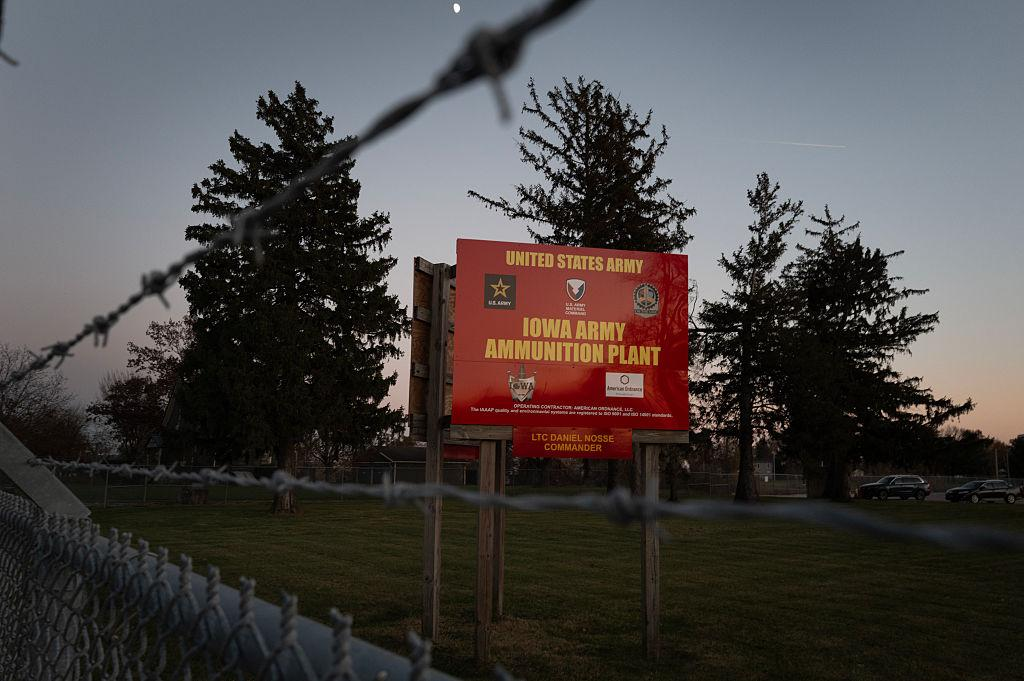
The military installation is located in Des Moines County, Iowa, and has long supported American ammunition production.
According to Reuters, the hazardous material had been stored at the facility since 2009.
Reuters
Its deteriorating condition eventually prompted federal authorities to take emergency action.
3. Why Was Lead Azide So Dangerous?
Lead azide is a highly sensitive explosive compound historically used in military ammunition.
Over time, the material stored at the Iowa facility had deteriorated, significantly increasing the danger of an accidental explosion.
Military specialists concluded that moving the containers or attempting alternative disposal methods would present unacceptable safety risks.
www.army.mil
The compound presented two major hazards: its explosive properties and the potential environmental contamination associated with its lead content.
4. Why Did the Army Decide to Destroy the Entire Stockpile?
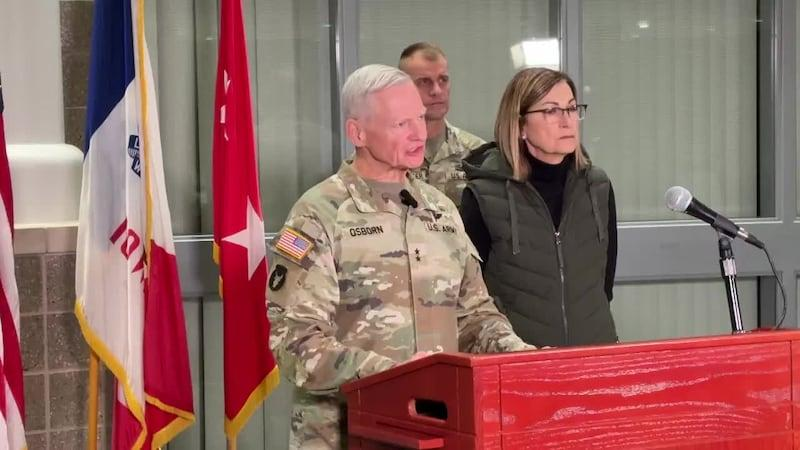
Federal authorities faced a difficult decision between conducting a planned demolition and allowing the deteriorating material to remain in storage.
The Environmental Protection Agency issued an emergency permit on November 13 authorizing the disposal operation.
Military and environmental specialists determined that controlled destruction offered a safer alternative to the possibility of an accidental explosion.
US EPA
Nevertheless, environmental organizations challenged that conclusion, questioning whether alternative disposal methods had been adequately evaluated.
5. What Were the Potential Risks to the American Public?

The possibility of toxic lead contamination was among the greatest concerns for nearby communities.
|
Potential hazard |
Possible consequences
Shockwaves
Damage to nearby structures
Airborne lead particles
Harmful human exposure
Soil contamination
Long-term environmental concerns
Agricultural contamination
Potential risks to crops and livestock
Water contamination
Possible public health concerns
Lead exposure is particularly concerning for young children and pregnant women. It can damage the nervous system and contribute to serious developmental and health problems.
These were potential hazards associated with the operation, not confirmation that widespread contamination occurred.
6. Residents Were Encouraged to Temporarily Relocate
Federal emergency management authorities recommended precautionary relocation for residents in designated areas near the facility.
FEMA offered assistance, including temporary accommodation, transportation, food and essential supplies.
Residents in other designated advisory areas were encouraged to remain indoors during the operation and limit exposure to outside air.
The United States Army
The timing was particularly disruptive because the operation took place immediately before Thanksgiving.
7. Environmental Groups Tried to Stop the Explosion
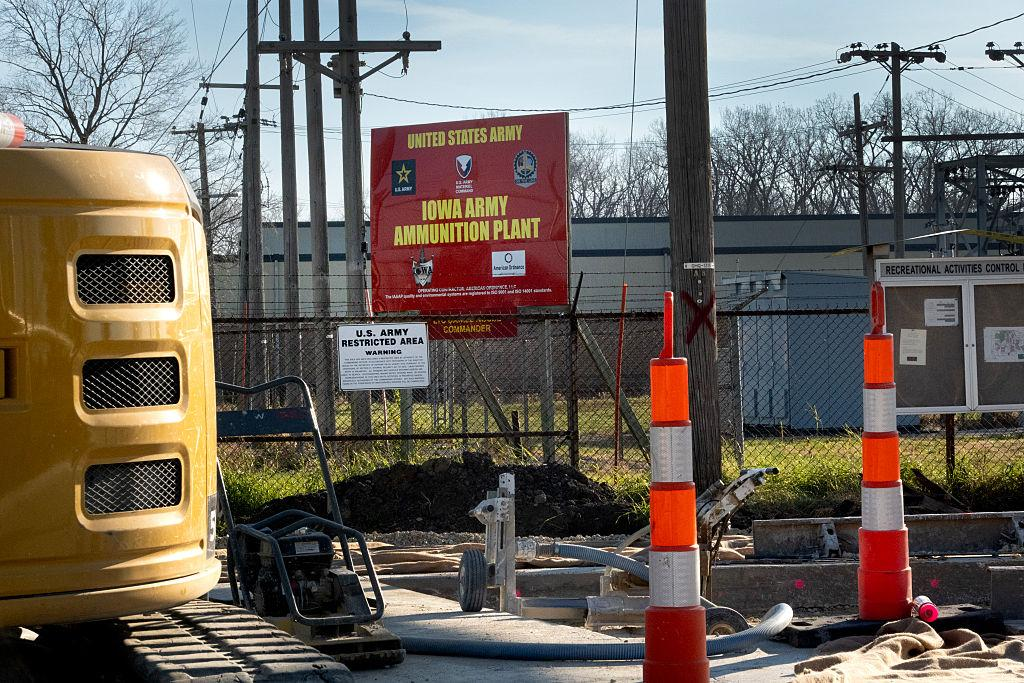
The disposal operation generated considerable controversy before it received final authorization.
Environmental organizations filed a lawsuit challenging the EPA's emergency permit, citing concerns about public notification, environmental impacts and the evaluation of alternative disposal methods.
The legal dispute delayed the demolition before a federal appeals court allowed the operation to proceed.
ABC News+2
The controversy highlighted disagreements over how authorities should balance the danger of an accidental explosion against potential environmental damage.
8. Did the Explosion Release Toxic Lead Into the Atmosphere?
This is one of the most important questions for Iowa residents.
Following the operation, federal officials reported encouraging preliminary findings.
Airborne lead detected during initial monitoring
None detected
Secondary explosions
None reported
Infrastructure damage
None reported
Environmental assessment
Continuing
Preliminary findings reported by federal officials following the November 25 operation.
Al Jazeera
However, the initial absence of detectable airborne lead does not conclusively establish that all surrounding soil and water are free from contamination.
Further environmental assessment remains important.
9. Was the Military Operation a Success?
Major General Eric Shirley described the operation as “tremendously successful.”
According to military officials, the dangerous stockpile was eliminated without reported secondary explosions or damage to surrounding infrastructure.
Al Jazeera
From an immediate explosives-safety perspective, the operation appears to have achieved its primary objective.
The longer-term environmental consequences must still be assessed through continued monitoring.
10. What Should Iowa Residents Do Now?
Residents in potentially affected communities should follow the latest official instructions from local emergency management authorities and the EPA.
-
Follow official guidance before returning to evacuated areas.
Avoid contact with suspicious debris or potentially contaminated dust.
Keep children away from suspected contaminated surfaces.
Consult healthcare professionals if concerned about lead exposure.
Monitor official environmental testing results.
Affected residents can contact the FEMA helpline at 1-800-621-3362 for disaster assistance information.
11. Could Similar Incidents Occur at Other American Military Facilities?

The Iowa operation raises broader questions about the long-term management of hazardous military materials.
Regular inspections, appropriate storage conditions, timely disposal and transparent communication with surrounding communities are essential to reducing future risks.
However, this incident alone does not establish that other American ammunition facilities face similar emergencies.
The operation should prompt examination of how hazardous military stockpiles are monitored throughout their storage life.
12. A Disaster Prevented — But Important Questions Remain
The U.S. Army's controlled demolition appears to have eliminated a serious explosive hazard that had threatened a military installation and surrounding communities.
Nevertheless, residents deserve continued environmental monitoring, transparent reporting and appropriate assistance if contamination is subsequently discovered.
Nearly 10,000 pounds of dangerous explosives have been destroyed. The immediate explosive threat has been addressed, but protecting public health remains a continuing responsibility.
AMERICA, WHAT DO YOU THINK? WAS THE ARMY'S CONTROLLED DEMOLITION THE SAFEST SOLUTION, OR SHOULD FEDERAL AUTHORITIES HAVE DONE MORE TO ADDRESS THE ENVIRONMENTAL CONCERNS OF LOCAL RESIDENTS? SHARE YOUR OPINION IN THE COMMENTS BELOW!
Comments (0)
Loading comments...
May You Like

IOWA MILITARY DISASTER: 5 TONS OF SUSPECTED BIOWEAPON WASTE LEAK—301+ HOSPITALIZED, 20 CRITICAL!

10,000 CIA AND U.S. SPY RECORDS LEAKED—3 INTELLIGENCE AGENCIES ORDER EMERGENCY REVIEWS!

PUTIN RAISES LUKOIL DEAL WITH TRUMP’S ENVOYS AS UKRAINE PEACE TALKS CONTINUE









Popular Posts




