
U.S. CONSUMER CONFIDENCE SURGES — IS AMERICA'S ECONOMY FINALLY RECOVERING?
U.S. CONSUMER CONFIDENCE SURGES TO A NEAR TWO-YEAR HIGH! BUT IS AMERICA'S COST-OF-LIVING CRISIS REALLY COMING TO AN END?
WASHINGTON, D.C. — NOVEMBER 25, 2026
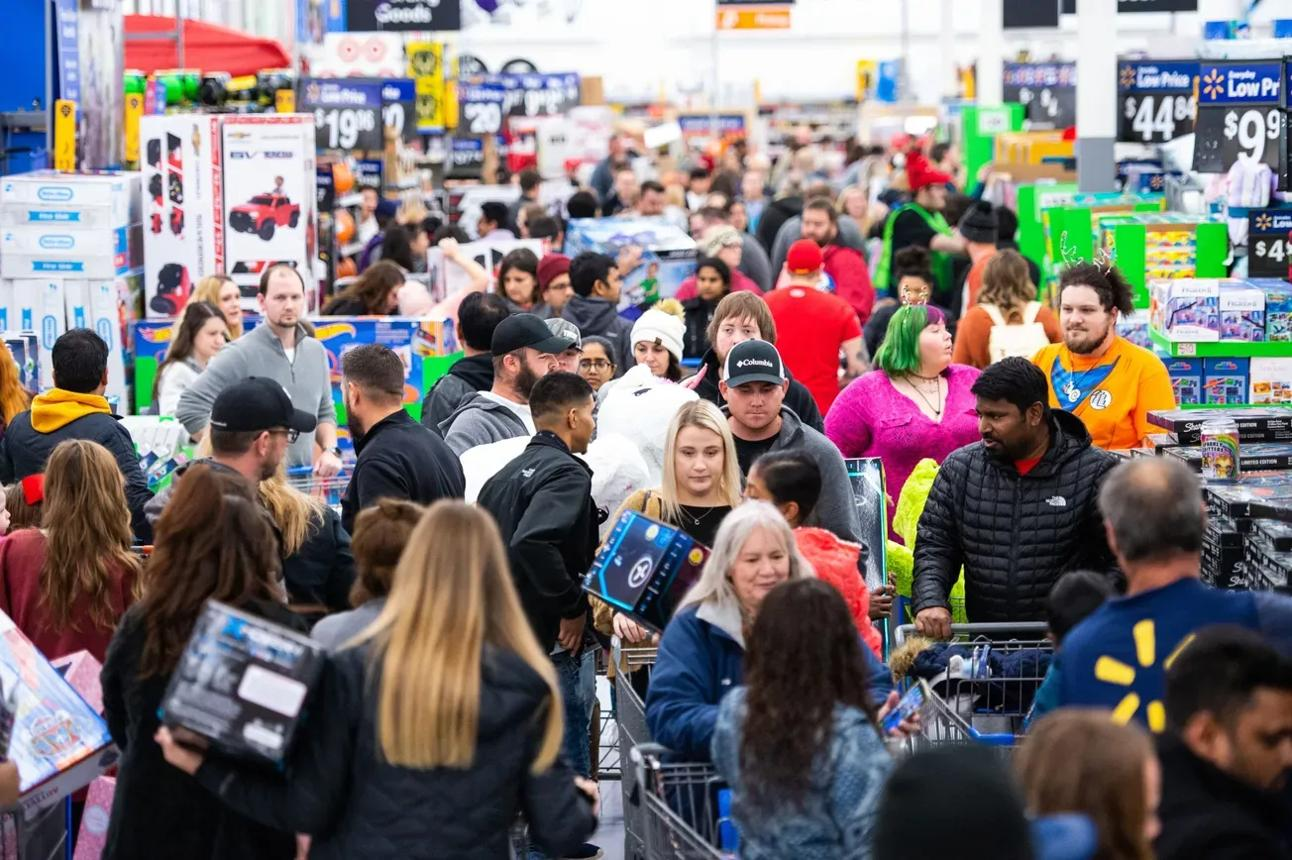
American consumers are showing renewed optimism after months of financial uncertainty, inflation concerns and mounting household expenses. The Consumer Confidence Index reportedly surged from 91.9 in October to 103.3 in November, reaching its highest level in nearly two years.
The dramatic rebound could represent an important turning point for the American economy as the country enters the holiday shopping season.
However, stronger consumer confidence does not necessarily mean lower grocery prices, more affordable housing or greater purchasing power.
For many working Americans, financial hardship remains an everyday reality.
Is America witnessing the beginning of a genuine economic recovery, or simply a temporary improvement in public sentiment?
1. Consumer Confidence Skyrockets Beyond Expectations
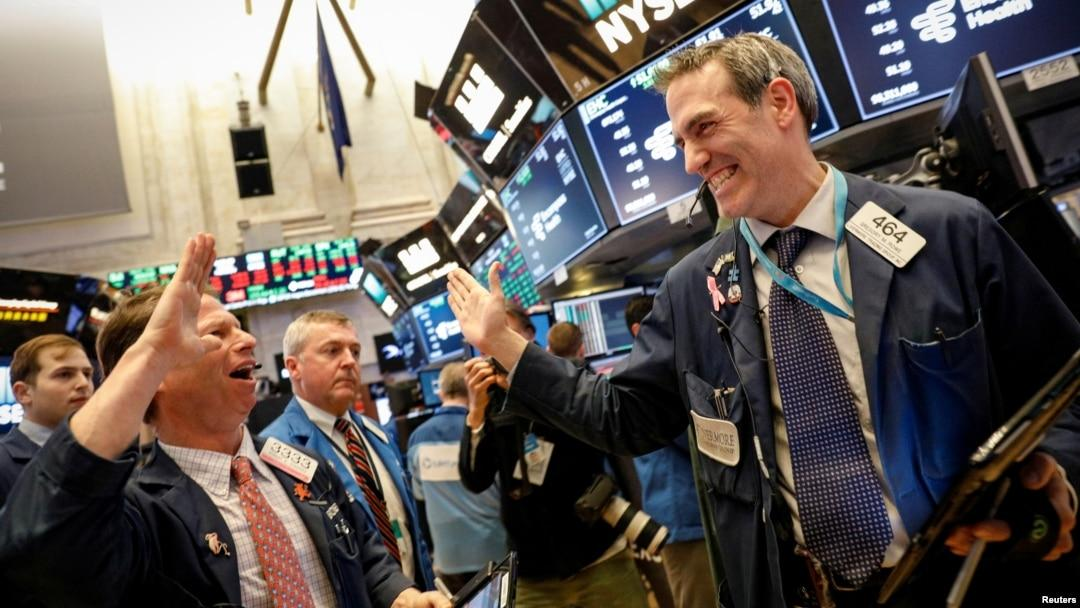
The Conference Board's reported November figures reveal a dramatic improvement in America's economic mood.
October 2026
91.9
November 2026
103.3
↑ 11.4 index points
0306090120OctoberNovember
Reported November 2026 figures, representing a monthly increase of approximately 12.4%.
The unexpectedly strong result represents an encouraging development for businesses, investors and policymakers concerned about the strength of consumer demand.
Nevertheless, confidence measures people's perceptions of the economy rather than their actual financial resources.
2. Why Are Americans Suddenly More Optimistic?
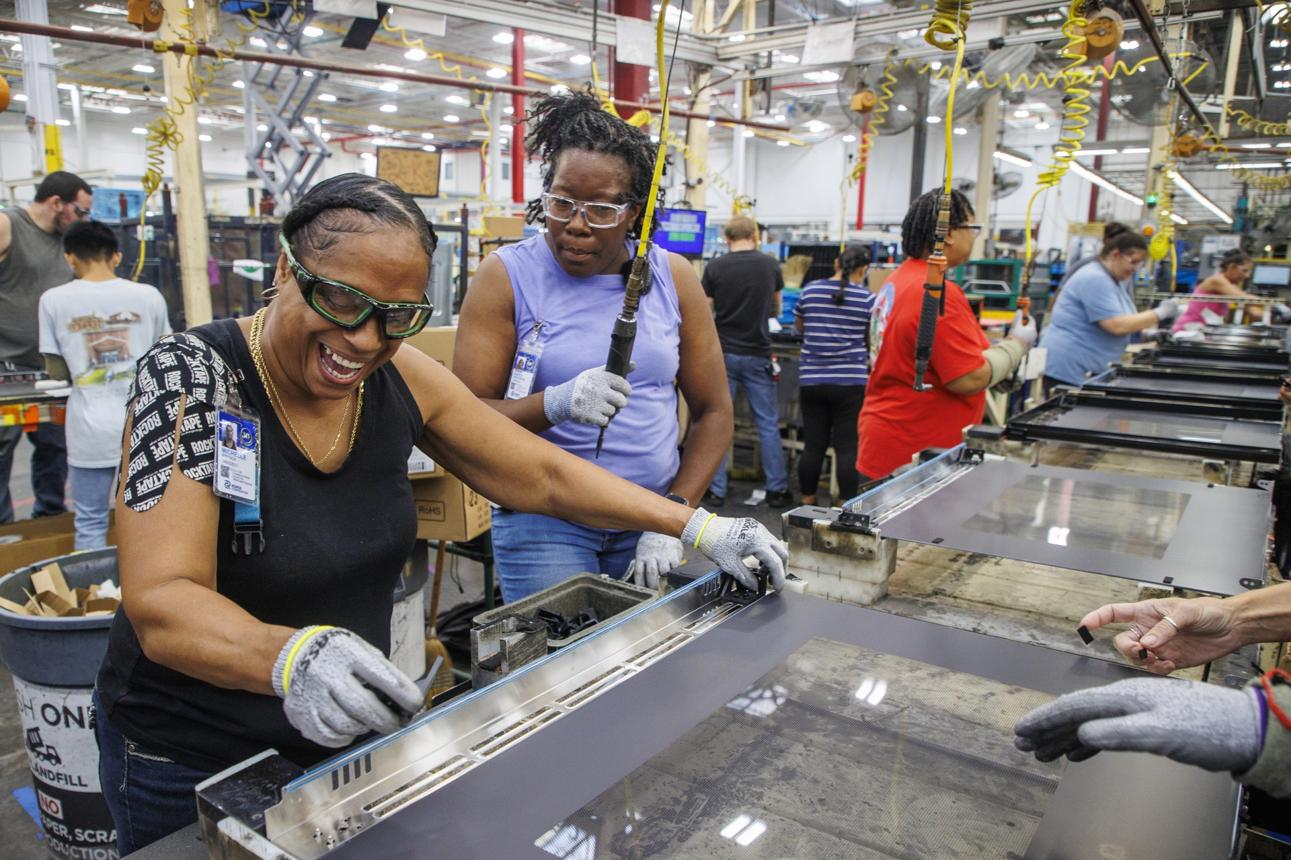
Improved perceptions of employment and business conditions could help explain November's rebound.
When Americans feel more secure about their jobs, they may become more willing to make major purchases, travel or invest in their futures.
That psychological shift can benefit businesses and support economic activity.
Stronger consumer demand can encourage companies to expand their operations, hire additional workers and invest in new products.
Whether those expectations translate into actual income growth remains another question.
3. Falling Gasoline Prices Could Offer Relief to Millions
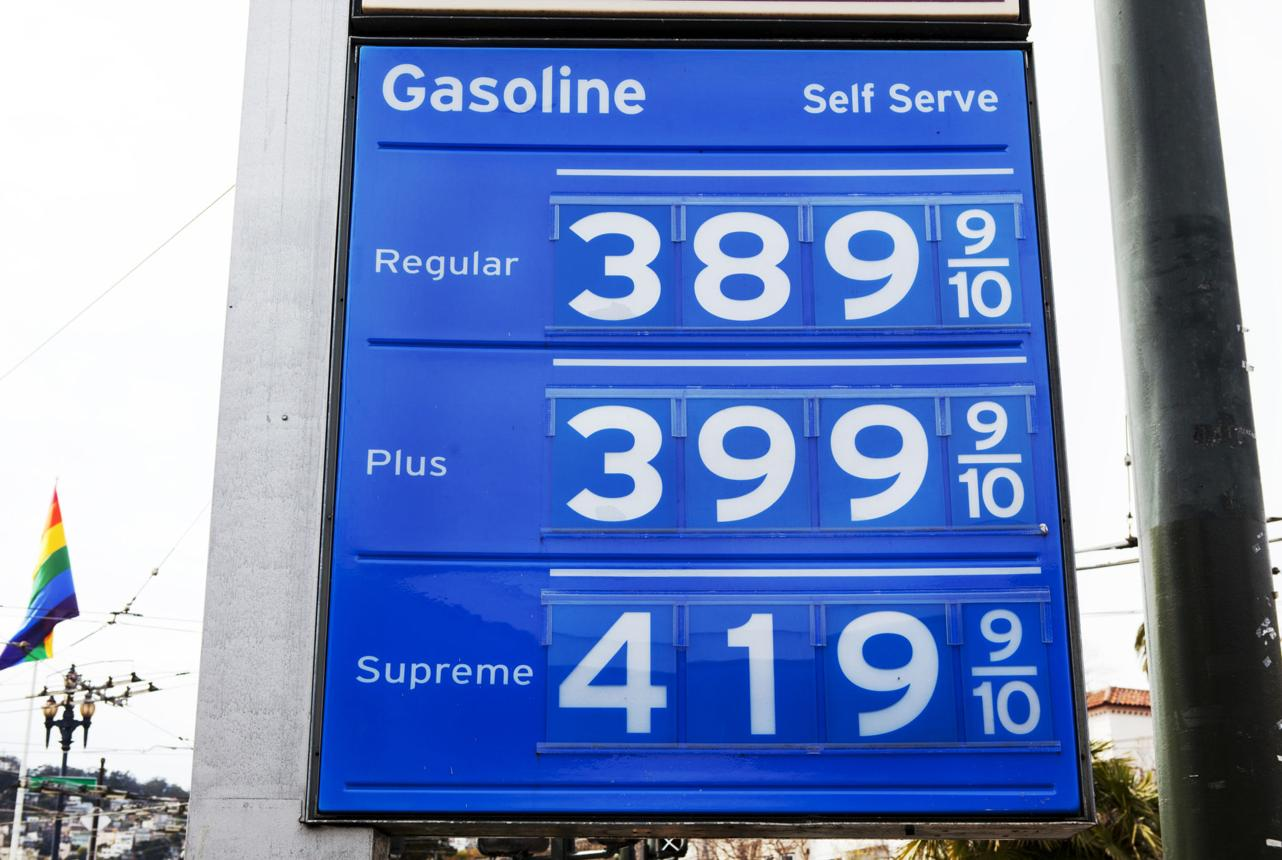
Energy prices remain one of the most important factors influencing household finances.
Lower gasoline prices can help workers who commute long distances and families preparing for Thanksgiving travel.
They can also reduce transportation expenses for businesses, potentially easing some pressure on the prices of consumer goods.
However, a decline in gasoline prices does not necessarily reverse previous increases in food, housing and other essential expenses.
For families living paycheck to paycheck, sustained reductions in everyday costs are far more meaningful than a temporary improvement.
4. Washington Faces Mounting Pressure Over the Economy

President Donald Trump's administration continues to face questions about inflation, trade policy, government spending and household affordability.
Political developments can influence consumer expectations, particularly when Americans anticipate changes in economic policy.
Supporters of the administration may view improving consumer confidence as an encouraging sign.
Critics may argue that the government still needs to deliver measurable improvements in purchasing power and living standards.
Ultimately, a rise in consumer confidence does not establish that Washington has already solved America's affordability problems.
5. Inflation Remains a Serious Concern
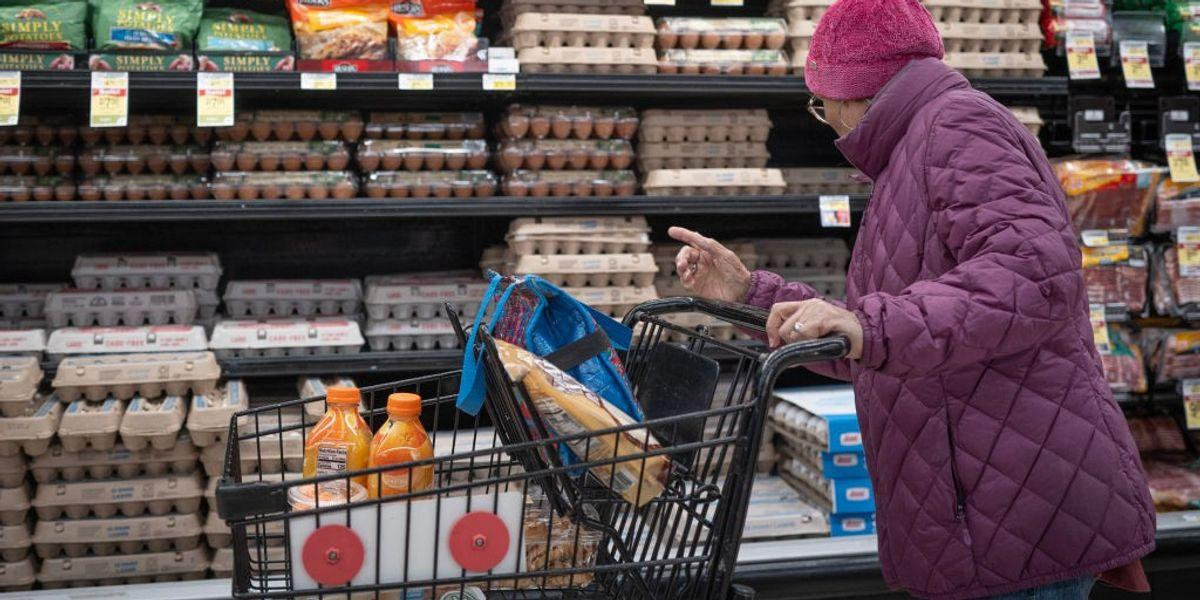
Despite the encouraging confidence figures, Americans continue to worry about the cost of everyday necessities.
Even if inflation begins slowing, accumulated price increases from previous years can continue to strain household budgets.
Groceries, healthcare, utilities and insurance remain essential expenses that families cannot simply eliminate.
For households without substantial savings, financial security depends on whether earnings can keep pace with those expenses.
Consider the following illustrative example of how rising prices can affect a family's monthly budget.
|
Monthly household expenses |
After a 5% increase
$1,000
$1,050
$2,000
$2,100
$3,000
$3,150
$4,000
$4,200
Illustrative calculations, not official inflation forecasts.
A more optimistic outlook does not automatically translate into a more affordable life.
6. Housing Affordability Remains a Major Obstacle

The American housing market continues to present significant challenges, particularly for younger adults and first-time buyers.
High property prices, mortgage interest, insurance and maintenance costs can place homeownership beyond the financial reach of many working families.
Higher borrowing costs can substantially increase monthly mortgage payments, even when the purchase price of a home remains unchanged.
How mortgage rates affect American homebuyers
Home price
$400,000
Mortgage interest rate
7.00%
Estimated monthly principal and interest
$2,129
Illustrative calculation assuming a 30-year fixed-rate mortgage and 20% down payment. Excludes property taxes, insurance and maintenance.
For prospective homeowners, affordability may remain difficult even if the broader economy continues improving.
7. Are Wealthier Americans Benefiting More From the Recovery?

Higher-income households generally have greater financial flexibility.
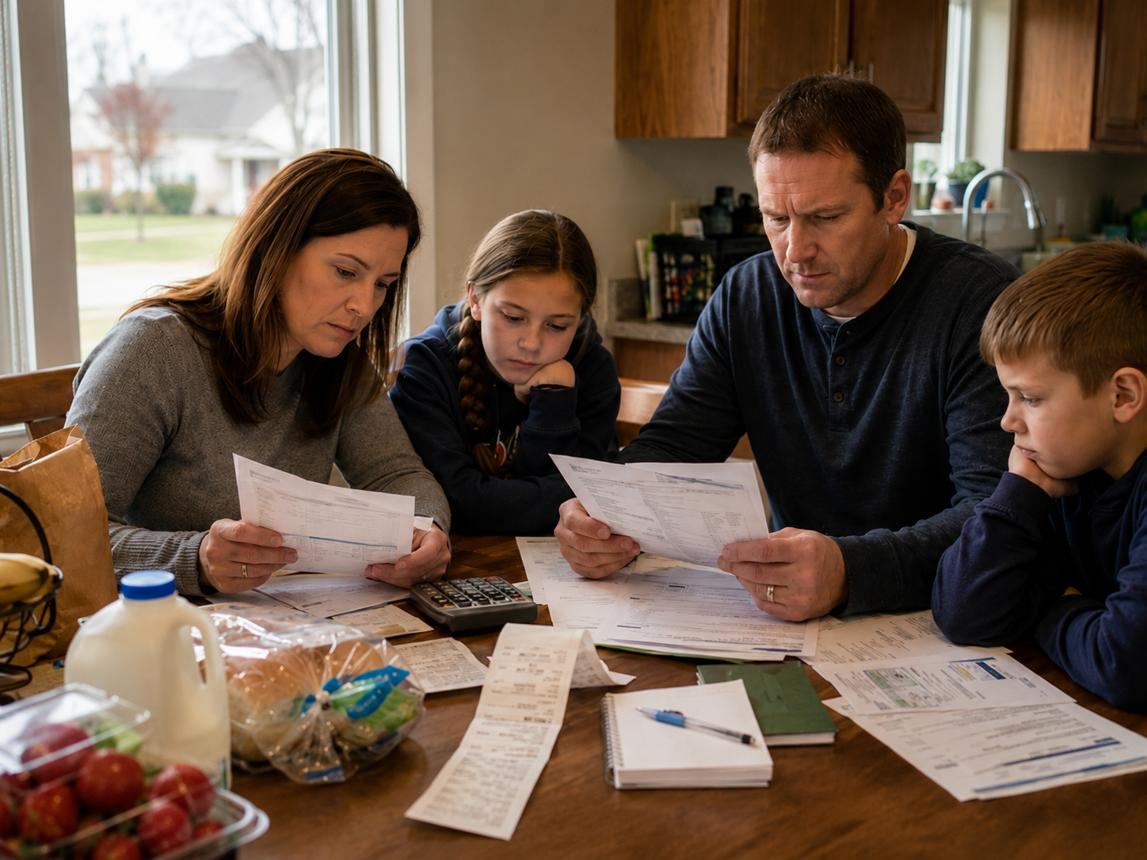
Lower-income households face greater pressure from essential expenses.
Economists have raised concerns about what is commonly described as a K-shaped economy—a situation in which economic conditions improve for some groups while others continue experiencing hardship.
Higher-income households often have greater savings, investments and flexibility to manage unexpected expenses.
Lower-income households may have little money remaining after paying for housing, groceries and transportation.
Conceptual illustration of a K-shaped economic recovery, not measured economic data.
Consequently, national economic indicators can improve without producing equally meaningful benefits for every American family.
8. Can Holiday Shopping Strengthen the Economy?

The confidence report arrives at a particularly important moment for American retailers.
Thanksgiving, Black Friday and Christmas shopping could provide a significant test of consumer demand.
More optimistic households may be willing to purchase vehicles, electronics, household appliances and other discretionary goods.
Retailers could benefit from stronger sales, while businesses may increase seasonal hiring to meet demand.
However, confidence surveys do not always accurately predict actual consumer spending.
Some households may rely on credit cards or installment payment plans to finance holiday purchases, potentially creating additional financial pressure in the following months.
A strong holiday shopping season would be encouraging, but it would not necessarily prove that household financial difficulties have disappeared.
9. The Federal Reserve Faces a Difficult Economic Challenge
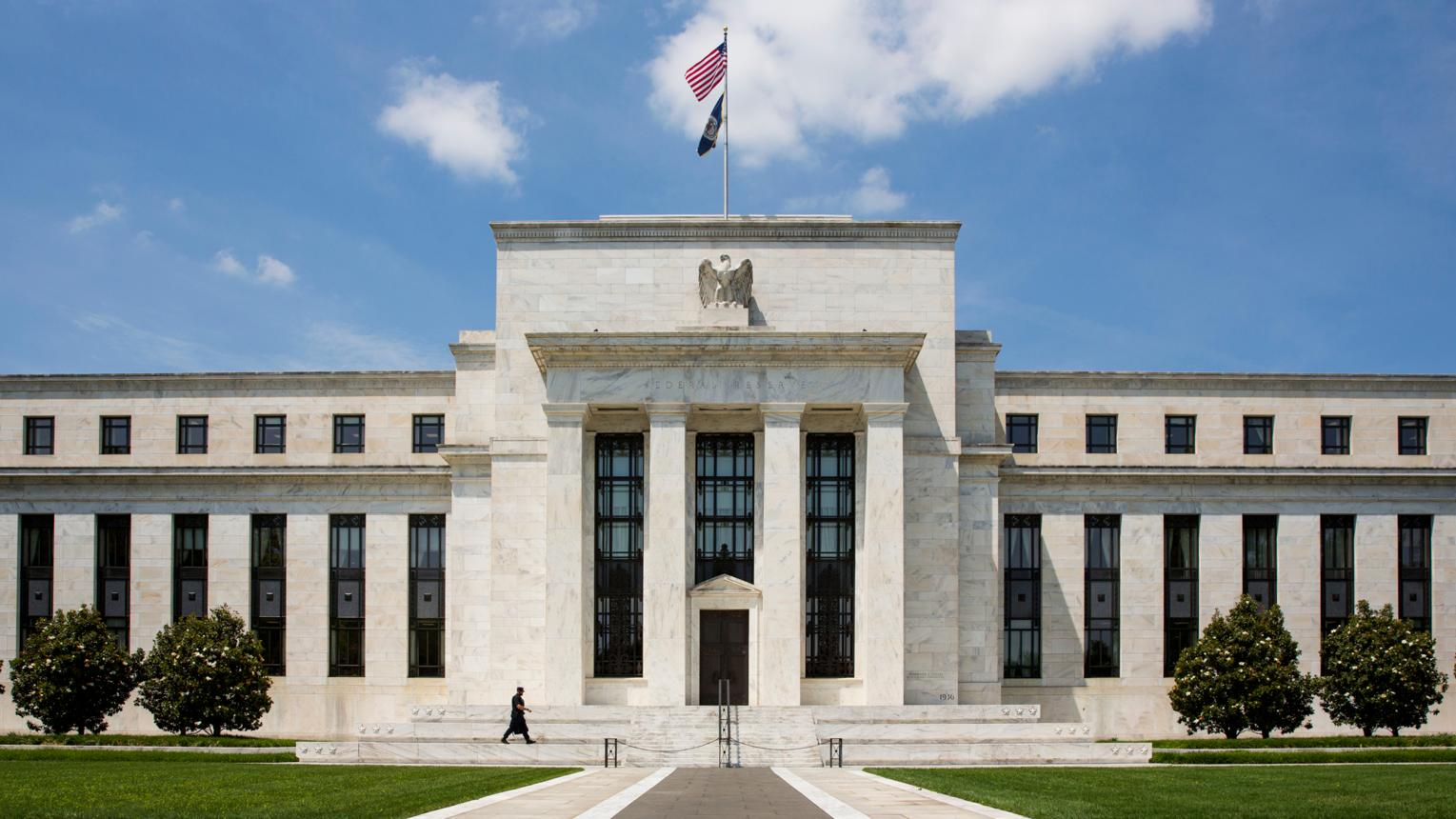
The Federal Reserve must balance its efforts to control inflation with the need to support employment and economic growth.
Higher interest rates can help reduce inflation by slowing borrowing and demand.
But they can also make mortgages, vehicle financing, credit cards and business loans more expensive.
Lower interest rates may provide financial relief, although reducing rates too quickly could risk renewed inflationary pressure.
For the economic recovery to become sustainable, improvements in employment and consumer confidence will need to withstand these financial challenges.
10. Has the U.S. Economy Truly Turned a Corner?

The latest reported confidence figures offer reasons for optimism, alongside important reasons for caution.
|
Positive signals |
Remaining challenges
Consumer confidence rising
Elevated living costs
Greater optimism about employment
Uneven household purchasing power
Potential energy-price relief
Expensive essential goods
Improving business expectations
High borrowing costs
Stronger spending intentions
Persistent inflation concerns
A sustainable recovery will require more than positive economic expectations.
Americans need stable employment, meaningful wage growth, affordable housing and greater financial security.
The coming months will reveal whether November's improvement represents a lasting change or a temporary rebound.
11. The Real Economic Test Is Taking Place Inside American Homes

Wall Street can celebrate stronger economic indicators. Washington can welcome improved consumer confidence. Retailers can anticipate stronger holiday sales.
But ordinary Americans often judge the economy differently.
They measure it through their grocery receipts, monthly mortgage payments, medical expenses and the money remaining in their bank accounts after paying their bills.
For a family struggling to afford food, a rising confidence index may offer little immediate comfort.
For a young couple trying to purchase their first home, economic optimism cannot replace an affordable mortgage.
And for retirees living on fixed incomes, financial stability depends on whether their income can cover rising expenses.
The reported Consumer Confidence Index has reached its highest level in nearly two years. That is an encouraging economic signal—but America's affordability crisis cannot be declared over on the strength of a single survey.
The real recovery will become apparent when hardworking families experience sustained improvements in their standard of living.
Is the American economy finally moving in the right direction? Or are optimistic economic statistics masking the continuing financial struggles of ordinary households?
AMERICA, WHAT DO YOU THINK? ARE YOU ACTUALLY BETTER OFF FINANCIALLY THAN YOU WERE A YEAR AGO? SHARE YOUR OPINION IN THE COMMENTS BELOW!
Reference sources
Comments (0)
Loading comments...
May You Like

10,000 CIA AND U.S. SPY RECORDS LEAKED—3 INTELLIGENCE AGENCIES ORDER EMERGENCY REVIEWS!

IOWA NIGHTMARE: SECOND ARMY BLAST, 10,000 EVACUATED, 201+ HOSPITALIZED!

CARIBBEAN PRINCESS: 5,000+ ABOARD, UNKNOWN VIRUS—CHINESE PASSENGER IS FIRST KNOWN CASE!








Popular Posts




