
U.S. CYBERSECURITY DIRECTOR RESIGNS — PUBLIC OUTRAGE
TRUMP OUSTS AMERICA'S TOP CYBERSECURITY ADVISER AS NSA NETWORK FAILS — WHAT'S BEHIND THE WAVE OF U.S. TECHNOLOGY OUTAGES?
WASHINGTON, D.C. — NOVEMBER 21, 2026
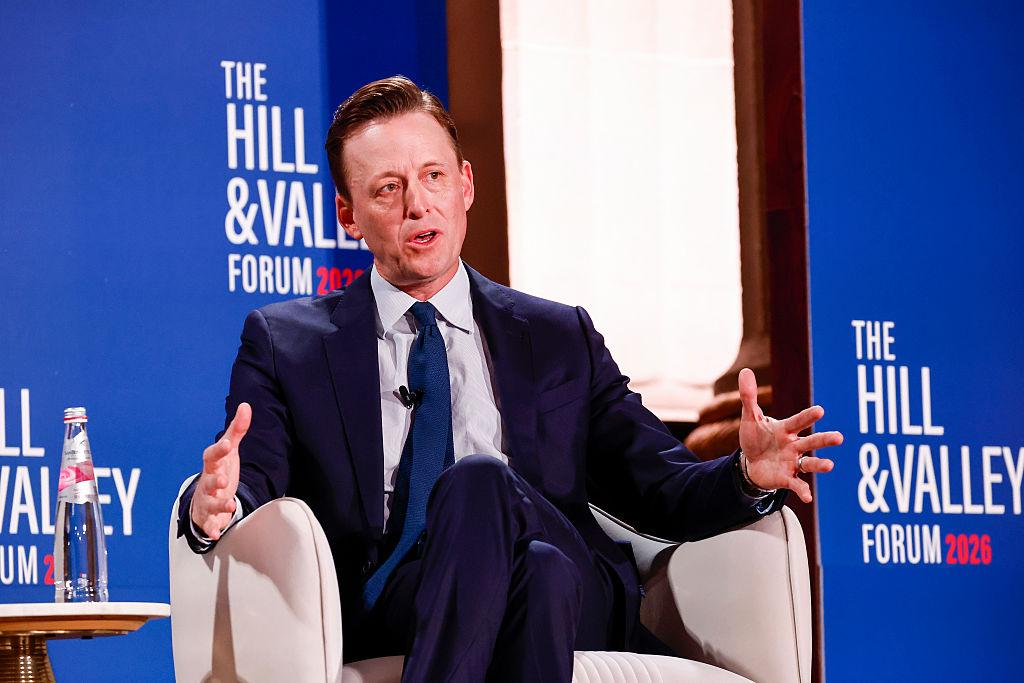
America's top cybersecurity leadership is undergoing a sudden shake-up as a series of major technology outages disrupt airlines, banking services, Microsoft systems and even the National Security Agency's classified network.
Sean Cairncross, the White House's national cyber director, has been removed from his position. President Donald Trump supported the decision, and the administration has selected Pentagon technology chief Kirsten Davies to replace him.
The timing has raised questions about the reliability of America's digital infrastructure and whether the government is adequately prepared for widespread technical failures.
But there is an important distinction: U.S. officials say they have found no evidence that the recent disruptions were part of a coordinated cyberattack.
The reported problems appear to involve separate maintenance, software and technical issues rather than a single foreign operation.
So why did the White House replace its top cyber adviser? What happened inside the NSA? And could similar failures disrupt Americans during the busy Thanksgiving travel season?
Reuters+2
Trump Removes Sean Cairncross From His Cybersecurity Post
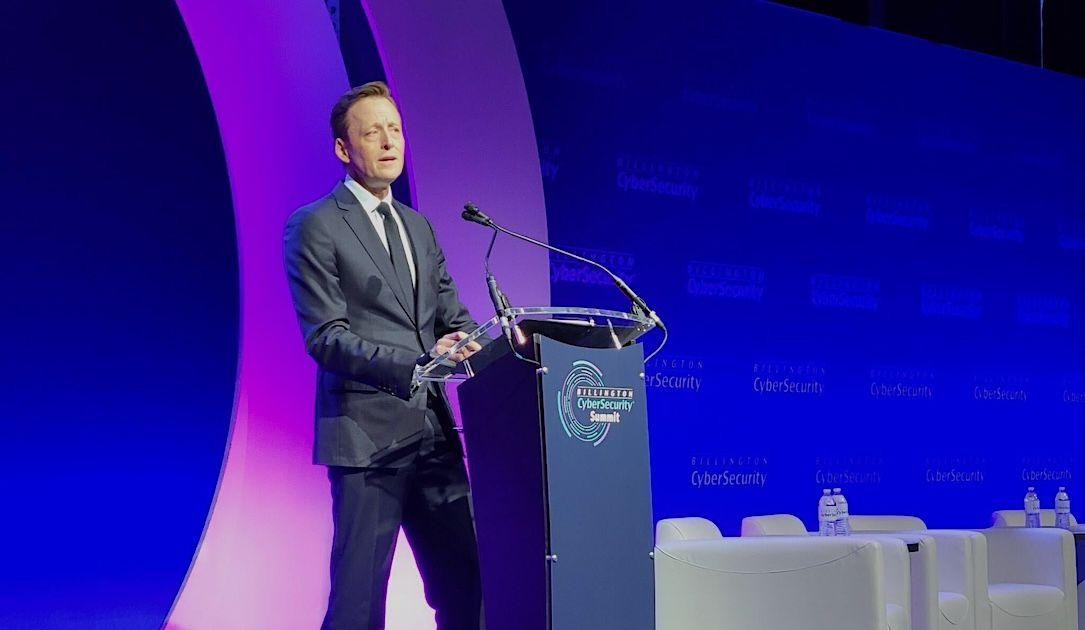
Cairncross had served as national cyber director since August 2025, following Senate confirmation.
His office was responsible for advising the president on cybersecurity policy and coordinating federal cybersecurity strategy.
On November 19, reports emerged that he was leaving the administration.
Although the departure was initially described as a resignation, Reuters and other outlets subsequently reported that Cairncross had been fired.
A person close to the White House told Reuters that Trump fully supported the dismissal.
ABC News reported that the president believed Cairncross lacked the technical credentials needed for the role.
GMA News Online+1
Cairncross had previously worked as an attorney and Republican political executive. His background included leadership positions at the Republican National Committee and service during Trump's first administration.
He did not have an extensive professional background in cybersecurity before assuming the national cyber director position.
In a departure statement, Cairncross described serving in the administration as an honor and expressed pride in the work completed during his tenure.
The Washington Post
Inside the NSA: A Classified Network Suddenly Goes Offline
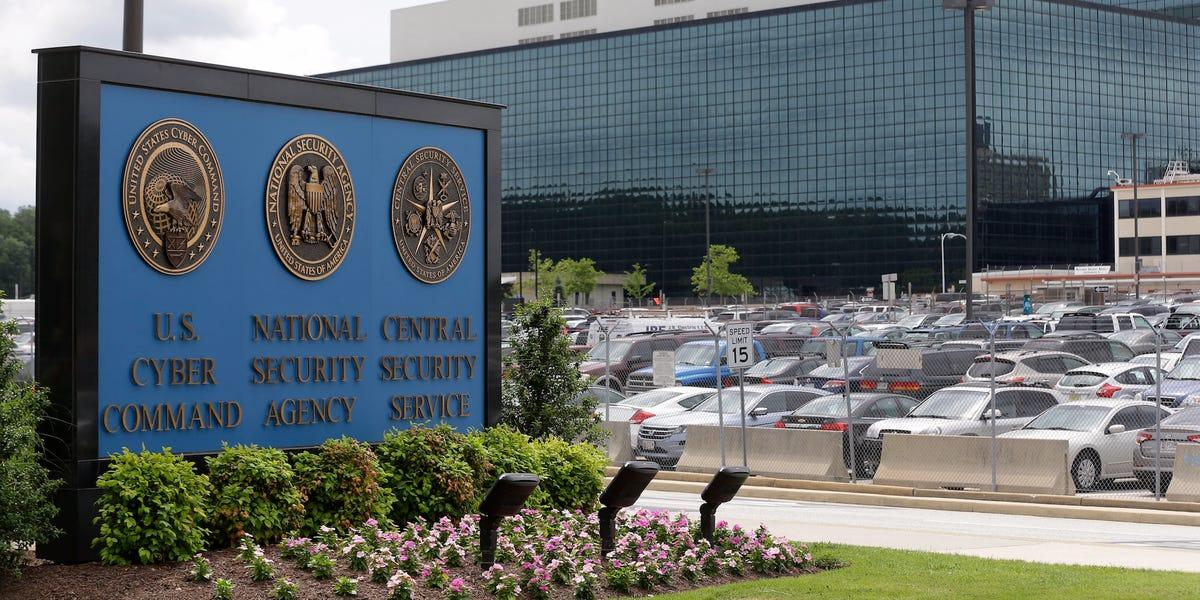
One of the most concerning incidents occurred at the National Security Agency (NSA), an organization responsible for collecting foreign intelligence and helping protect American communications systems.
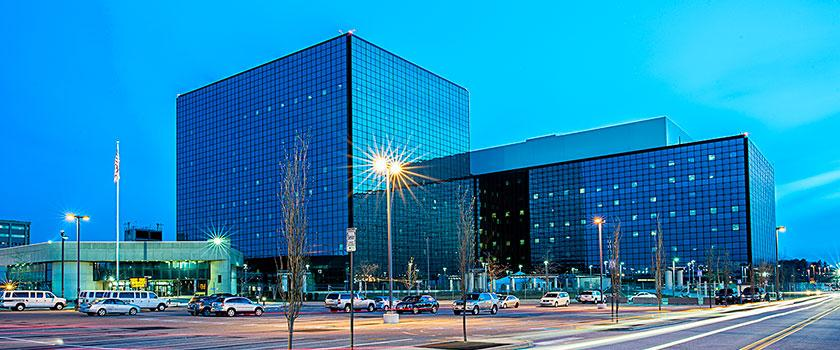
On November 17, the NSA experienced a disruption involving its internal classified network, known as NSA Net.
The network supports the storage and sharing of classified information among agency personnel.
According to CBS News, the outage prompted officials to adjust employee reporting schedules at the agency's headquarters in Fort Meade, Maryland.
Some non-emergency personnel were instructed to arrive at staggered times to avoid overwhelming affected systems. The arrangement was described as a Code Gray reporting schedule.
CBS News
The incident was particularly notable because it affected infrastructure inside one of America's most important intelligence agencies.
However, the NSA emphasized that its critical national-security capabilities remained operational.
Was the NSA Hacked?
The agency attributed the disruption to a problem during scheduled routine maintenance.
An NSA spokesperson described the event as a temporary degradation of internal systems.
Officials told CBS News that they had found no evidence of a cyberattack. Sources familiar with the incident indicated that routine software patching may have caused the problem.
CBS News
By November 20, the internal network had reportedly recovered after approximately three days of disruption.
WSYX
That does not mean the incident was insignificant. A failure involving classified communications infrastructure can affect employee productivity and intelligence workflows even when essential missions remain protected.
But a classified network outage is not proof that hackers penetrated the system or stole intelligence.
Airlines, Banks and Microsoft: Why Did So Many Systems Fail?
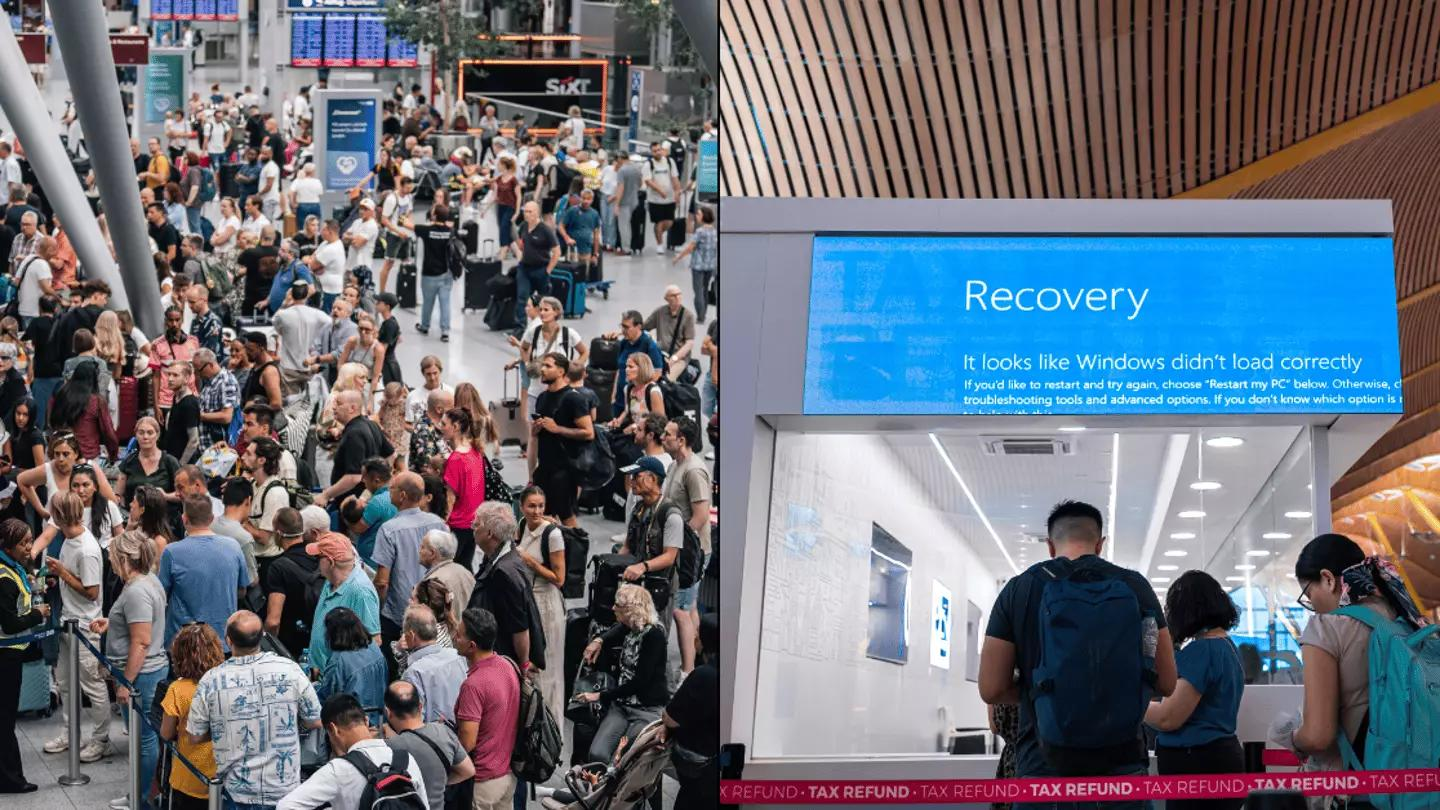
The NSA disruption occurred during a broader series of technical incidents affecting American businesses and public services.
Reported problems included interruptions to Microsoft services, banking systems and air traffic operations.
A nationwide aviation disruption affected more than 18,000 flights, creating difficulties for travelers and airlines.
Reuters
Major systems affected during the recent disruptions
Air travel
A major interruption affected flight operations and caused widespread delays.
Microsoft services
Outages disrupted email and other widely used digital services.
Banking systems
Financial institutions experienced service interruptions affecting customers.
NSA classified network
Internal systems were disrupted during maintenance, although the agency said critical capabilities remained operational.
These incidents occurred close together, but their timing alone does not demonstrate that they had a common cause.
U.S. Officials Reject the Theory of a Coordinated Cyberattack
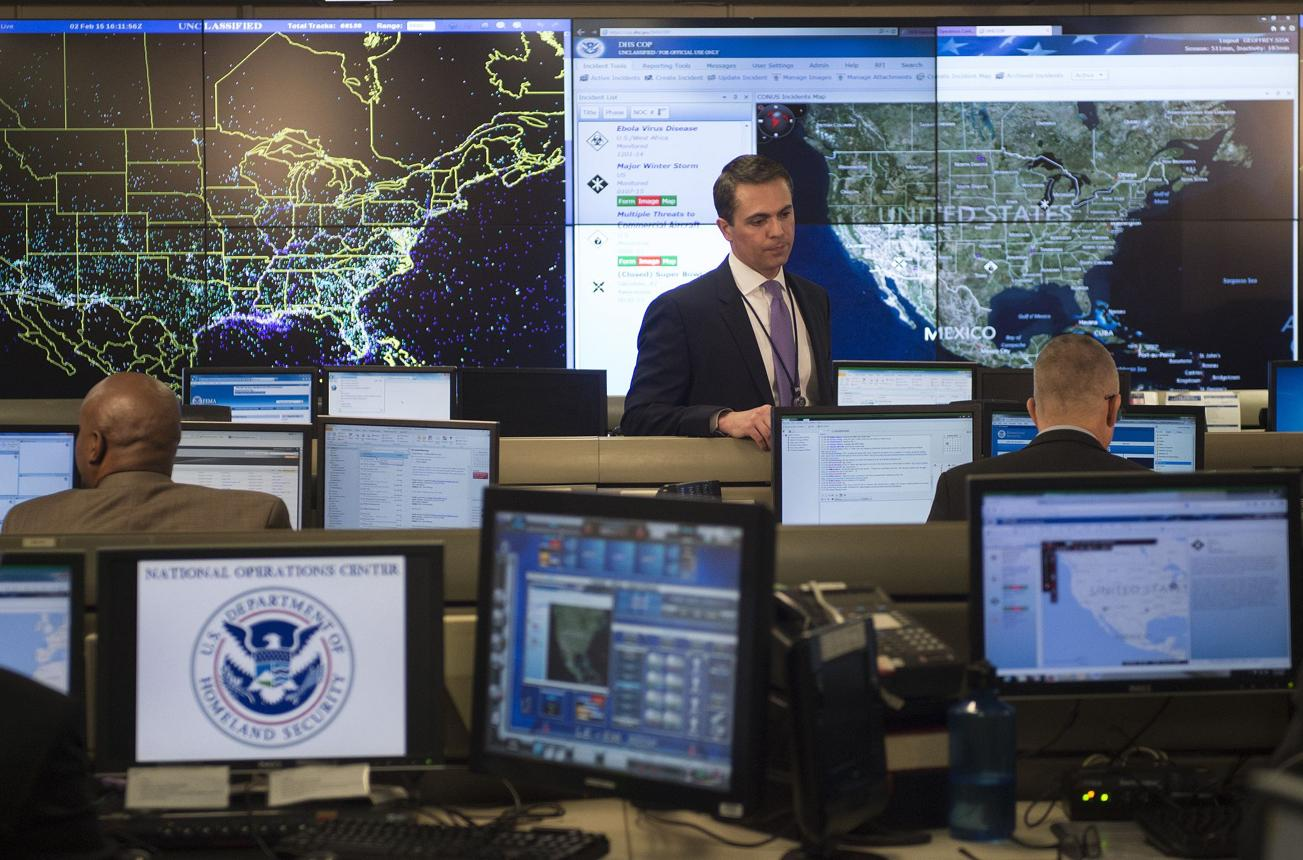
The concentration of outages generated speculation that foreign hackers might be targeting American infrastructure.
However, senior officials have pushed back against that interpretation.
Homeland Security Secretary Markwayne Mullin told lawmakers that investigators had found nothing indicating the incidents were connected.
He said he was 98% confident that the outages were not caused by malicious foreign activity, while acknowledging that the number of disruptions in such a short period was unusual.
CBS News
The administration's top intelligence official also described the incidents as separate service failures associated with maintenance and technical changes, rather than a coordinated or state-sponsored attack.
GMA News Online
These statements reflect the government's assessment based on information available at the time. They do not establish that every technical detail of every outage has been fully explained.
Could Software Updates Be Responsible?
Cybersecurity experts have pointed to a less dramatic but important possibility: problems arising during software updates and security patching.
Modern digital systems depend on complicated networks of software, cloud services, authentication systems and communications infrastructure.
A faulty update or configuration change can sometimes interrupt access to otherwise functioning systems.
When widely used services experience technical problems, the consequences can spread across many organizations.
Reuters reported that experts were examining whether rapid patching of newly discovered software vulnerabilities contributed to some of the recent disruptions.
Reuters
That possibility does not mean a single faulty update caused every incident.
Instead, it highlights a broader challenge: systems can become unavailable because of operational mistakes or technical dependencies, even without an external attacker.
Why Was Cairncross Fired if the Outages Weren't Cyberattacks?
The personnel decision appears to involve more than the recent outages.
CBS News reported that White House Chief of Staff Stephen Miller had wanted Cairncross removed for some time.
According to the network's sources, Miller questioned whether Cairncross possessed sufficient cybersecurity expertise for the position.
The White House subsequently began selecting a replacement.
CBS News
The Washington Post also reported that Cairncross's departure followed other changes involving officials associated with former White House Chief of Staff Susie Wiles.
The Washington Post
This suggests that internal leadership disagreements and concerns about qualifications may have played a role.
It would therefore be misleading to conclude that Cairncross was personally responsible for the NSA outage or that investigators discovered wrongdoing by him.
The national cyber director coordinates cybersecurity strategy. The position does not directly operate every federal network or manage private-sector systems.
Who Is Kirsten Davies, Trump's New Cybersecurity Leader?
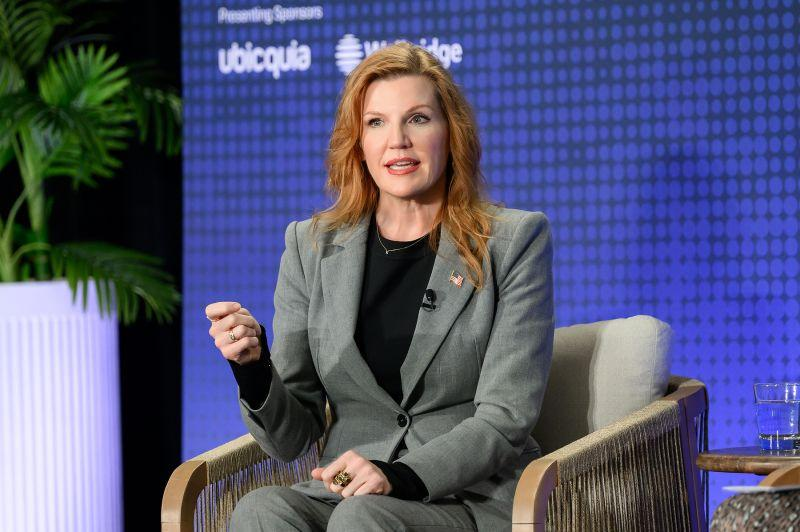
Trump has selected Kirsten Davies to replace Cairncross.
Davies previously served as the Pentagon's chief information officer and has held senior technology and cybersecurity positions in the private sector.
Her professional background includes work with companies such as Hewlett Packard Enterprise, Siemens, Barclays Africa and Unilever.
The Washington Post
The White House formally announced her selection on November 20.
Davies is expected to serve in an acting capacity while the administration seeks Senate confirmation for a permanent appointment.
CBS News
Her arrival represents a leadership change at a moment when the government is facing scrutiny over the resilience of critical digital systems.
Another Cybersecurity Leadership Problem: CISA Still Needs a Permanent Director
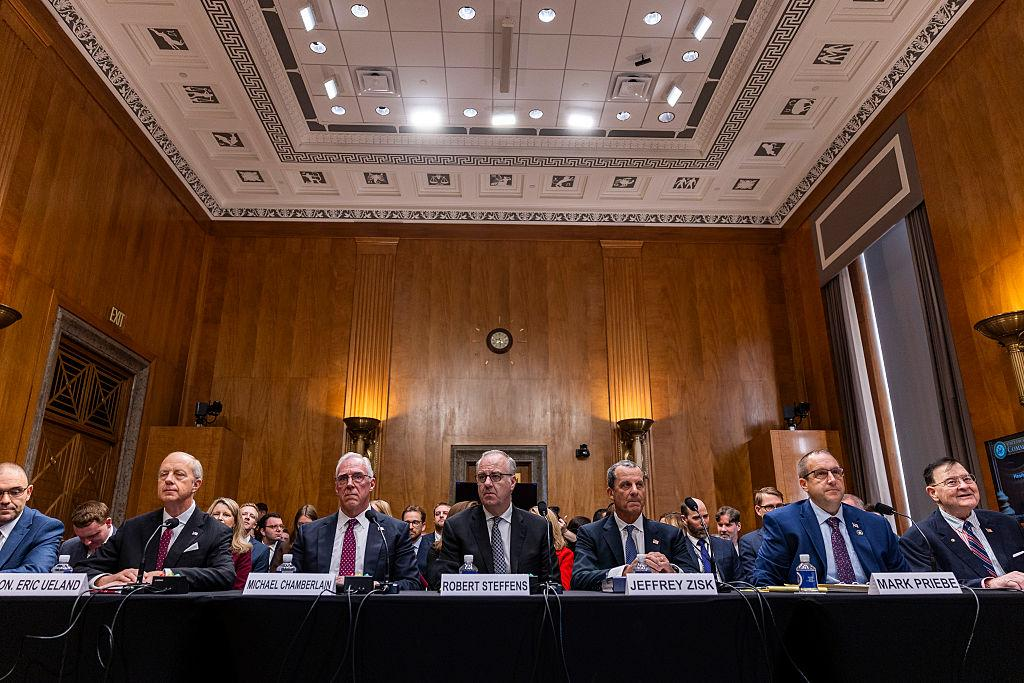
The White House national cyber director is not the same position as the director of the Cybersecurity and Infrastructure Security Agency, or CISA.
CISA helps protect civilian federal networks and works with public and private organizations responsible for critical infrastructure.
While Cairncross was leaving the White House position, the administration was also trying to secure permanent leadership for CISA.
Trump's nominee, Michael LoSapio, faced opposition from senators during his confirmation process, according to Nextgov.
Nextgov/FCW
The overlapping leadership transitions create an additional challenge for coordinating federal cybersecurity policy.
However, there is no evidence that the absence of a permanent CISA director directly caused the recent outages.
What Does This Mean for Americans?

The immediate consequences of widespread technology failures are practical.
Airline passengers may face delayed or canceled flights.
Bank customers may temporarily lose access to digital services.
Businesses can experience interruptions to communications and payments.
Government agencies may have to activate backup procedures or temporarily adjust operations.
The incidents also demonstrate how dependent modern society has become on digital systems that are expected to operate continuously.
For Americans, the key question is not only whether hackers are involved. It is whether critical services can continue operating when something goes wrong.
The Three Questions Washington Must Answer
The recent disruptions raise three distinct issues.
First: What caused each outage? Agencies and companies need to establish the technical causes rather than assuming that every incident is related.
Second: Were backup systems effective? The NSA says its critical capabilities remained operational, but other affected organizations must assess their own resilience.
Third: Can the government improve coordination? Changes in senior cybersecurity leadership may affect how federal agencies share information and manage risks.
These questions involve technical reliability, organizational accountability and national security.
They also require more detailed evidence than the timing of the incidents alone can provide.
Is America Facing a Cybersecurity Crisis?
Sean Cairncross has been removed as national cyber director.
Kirsten Davies has been selected to replace him.
The NSA experienced a serious internal network disruption, while airlines, banks and Microsoft services faced separate technical problems.
Yet officials say they have not found evidence of a coordinated foreign cyberattack.
The emerging story is not a confirmed nationwide hacking campaign. It is a combination of disruptive technology failures, questions about system resilience and a significant White House leadership change.
The next test will be whether federal agencies and private companies can identify the underlying problems, strengthen backup systems and prevent similar disruptions.
For Americans preparing to travel, shop and conduct business during the holiday season, dependable digital infrastructure matters regardless of whether a failure comes from hackers, software updates or human error.
Should the federal government require stronger backup systems for essential services?
And does replacing the national cyber director address the underlying problems, or will more extensive changes be necessary?
AMERICA, WHAT DO YOU THINK? SHARE YOUR OPINION IN THE COMMENTS BELOW!
Comments (0)
Loading comments...
May You Like

AMERICA'S LUCAS DRONE — A POTENTIAL GAME CHANGER IN THE SOUTH CHINA SEA?

10,000 CIA AND U.S. SPY RECORDS LEAKED—3 INTELLIGENCE AGENCIES ORDER EMERGENCY REVIEWS!

PENTAGON'S DECLASSIFIED UFO FILES — THE MYSTERY OF AN UNDERGROUND STORAGE PROJECT!













