
U.S. ECONOMIC GROWTH SURGES — WILL AMERICAN FAMILIES FINALLY FEEL THE BENEFITS?
U.S. ECONOMIC GROWTH SURGES TO 4.3%! BUT WILL AMERICAN FAMILIES FINALLY FEEL THE BENEFITS IN THEIR WALLETS?
WASHINGTON, D.C. — NOVEMBER 26, 2026
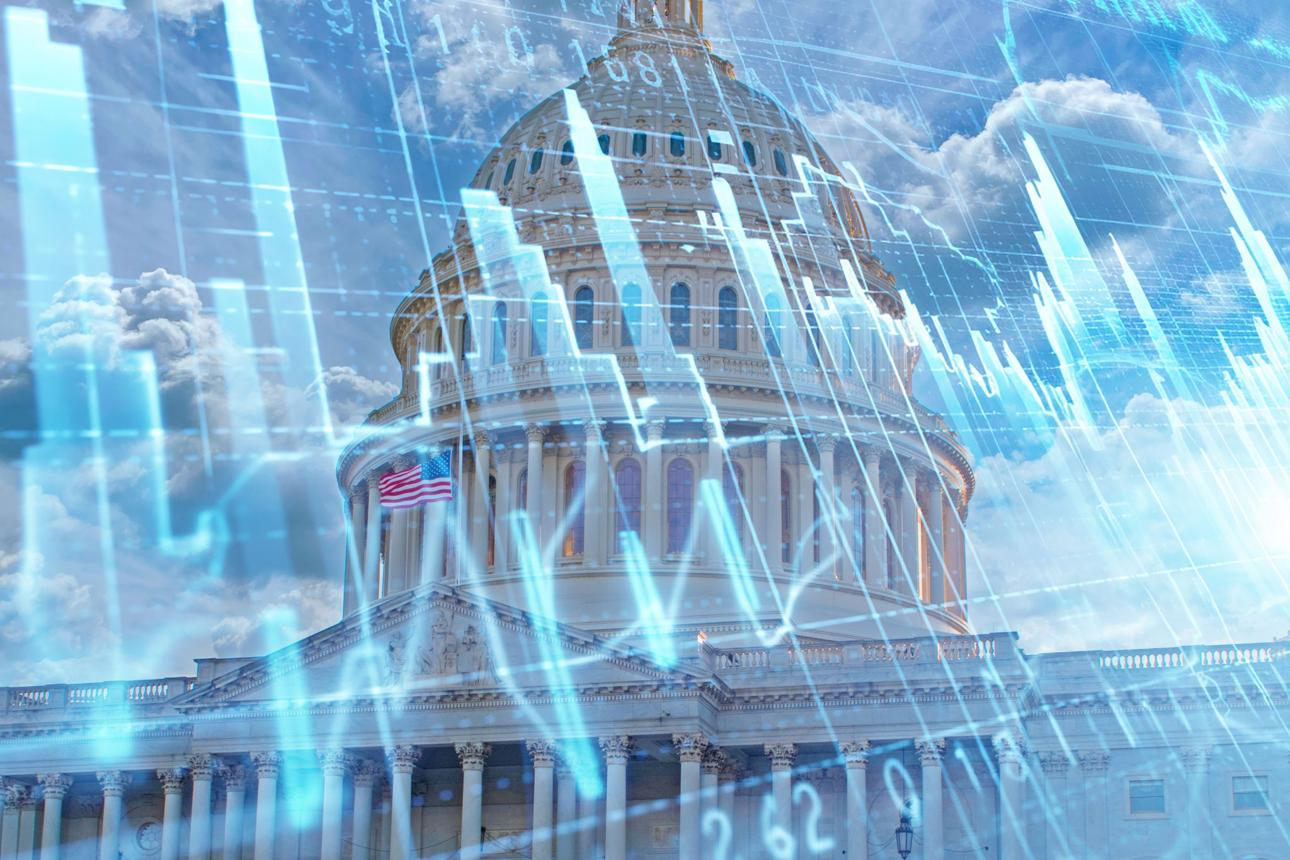
Encouraging news for the American economy! Reports of stronger-than-expected gross domestic product (GDP) growth are raising hopes for improved employment opportunities, higher incomes and greater financial stability for American households.
The reported upward revision of third-quarter GDP growth to 4.3% could indicate considerable resilience in the world's largest economy.
However, strong economic growth does not automatically mean that groceries, housing, healthcare and other necessities will become more affordable.
Will America's economic expansion finally translate into a better standard of living for ordinary citizens?
1. U.S. Economic Growth Reaches Its Fastest Pace in Three Years
On November 25, the U.S. Bureau of Economic Analysis (BEA) released its second estimate of economic growth for the third quarter of 2026, significantly exceeding economists' expectations.
Revised Q3 GDP growth
4.3%
Fastest pace in three years
Previous Q3 estimate
3.4%
Economists' forecast
3.5%
Upward revision
+0.9
Percentage points
0%2%4%6%Q2 2025Q3 2025Q4 2025Q1 2026Q2 2026Q3 2026
Source: BEA official report, November 25, 2026. Seasonally adjusted annualized growth rates.
Cục Phân Tích Kinh Tế Hoa Kỳ+1
The latest figures suggest that America's economic expansion has gained substantial momentum.
Importantly, the 4.3% figure is an annualized growth rate. Actual economic output increased approximately 1.1% during the three-month period.
U.S. Bureau of Economic Analysis (BEA)
2. What Is Driving America's Economic Boom?
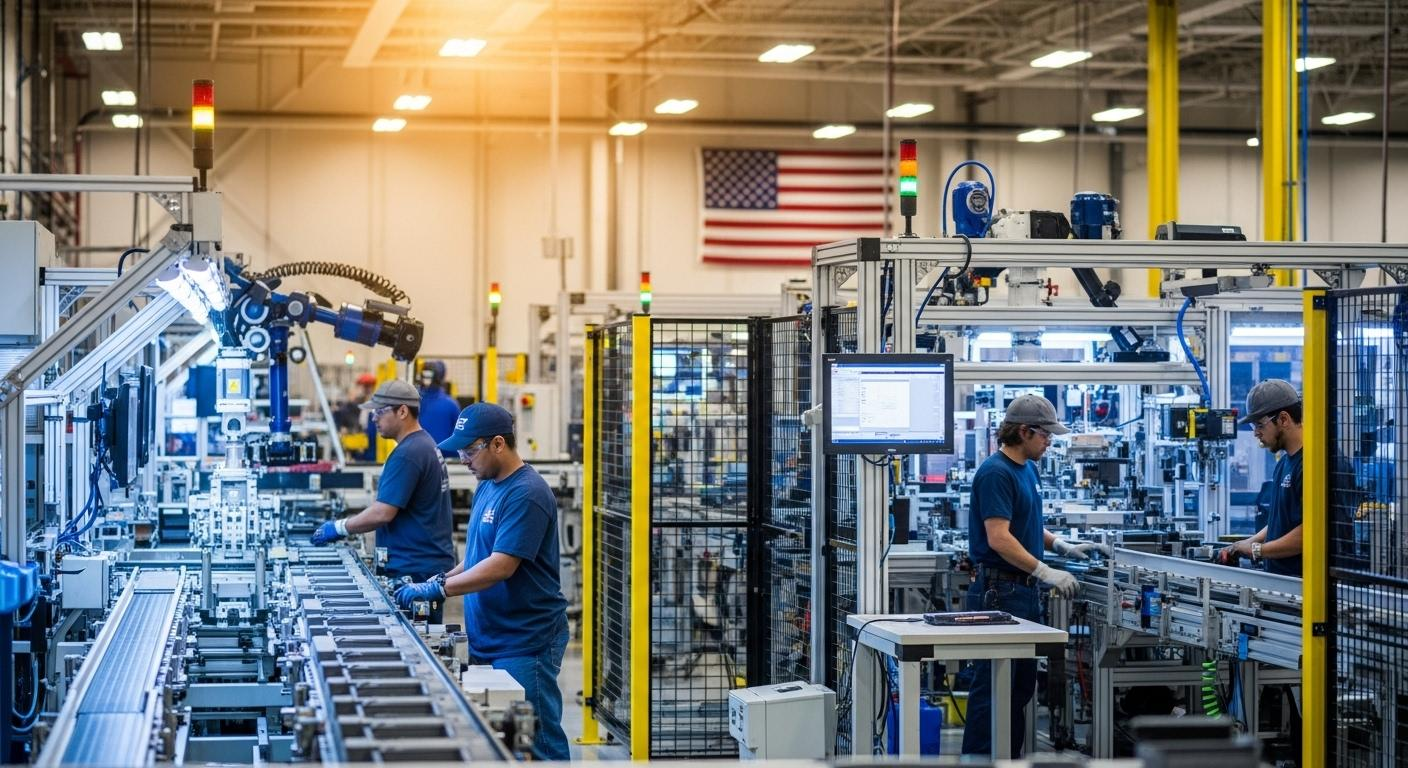
The stronger economic performance was primarily supported by consumer demand, corporate investment and government expenditure.
|
Economic indicator |
Q3 2026 annualized growth
Real GDP
4.3%
Consumer spending
4.2%
Business investment
16.1%
Equipment investment
21.8%
Real gross domestic income
4.4%
Private domestic final sales
5.8%
U.S. Bureau of Economic Analysis (BEA)+2
These figures indicate considerable strength in domestic economic activity, particularly in business investment.
However, declining exports and increasing imports partially offset the expansion.
3. Artificial Intelligence Is Helping Power the U.S. Economy
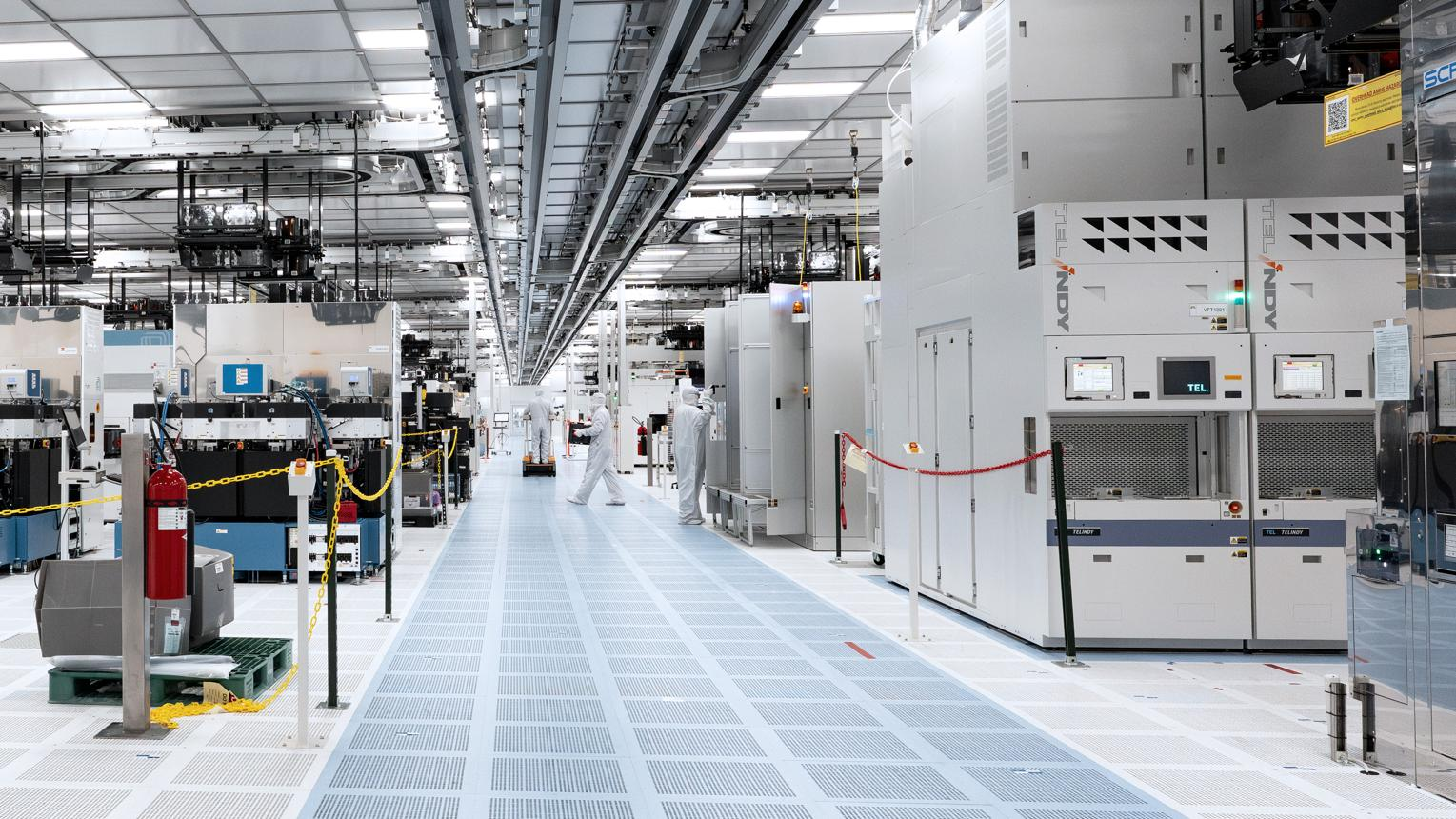
Artificial intelligence has become an increasingly important contributor to America's economic expansion.
Technology companies are investing heavily in computing equipment, software, data centers and digital infrastructure.
Such investments could create employment opportunities in construction, engineering, energy production and advanced manufacturing.
Nevertheless, economists have warned that America's dependence on technology investment could become a vulnerability if enthusiasm surrounding artificial intelligence begins to weaken.
Reuters+1
There is also no guarantee that the financial benefits of AI will be distributed evenly across the American workforce.
4. The Bad News: Inflation Remains Alarmingly High

While GDP growth has exceeded expectations, another economic report published on November 25 delivered less encouraging news.
The Federal Reserve's preferred inflation measure, the Personal Consumption Expenditures (PCE) Price Index, remains considerably above its long-term target.
America's inflation challenge
Federal Reserve inflation target
2.0%
September 2026 PCE inflation
3.6%
October 2026 PCE inflation
3.8%
October 2026 core PCE inflation
3.3%
Annual inflation rates. Sources: Reuters, AFP and AP, November 25, 2026.
Reuters+2
Core PCE inflation, which excludes food and energy, has reached its highest annual rate in approximately three years.
This means that stronger economic growth is occurring alongside persistent cost-of-living pressures.
5. Why Are American Families Still Struggling Despite Strong GDP Growth?
A growing economy does not necessarily translate into greater financial security for every citizen.
GDP measures the total value of economic production. It does not directly measure household wealth, financial hardship or the distribution of income.
Higher-income households have helped sustain consumer demand, while some families with lower incomes are increasingly relying on credit to support their expenditures.
Reuters+1
This uneven pattern is sometimes described as a K-shaped economy.
Conceptual illustration of uneven economic outcomes, not measured household income data.
For families struggling with rent, mortgage payments, credit card debt and grocery expenses, impressive GDP figures may offer little immediate relief.
6. Could the Federal Reserve Raise Interest Rates Again?

Strong economic growth combined with persistent inflation is increasing expectations that the Federal Reserve could raise interest rates at its December meeting.
Economists at PNC anticipate another rate increase, potentially followed by additional increases. However, this remains a forecast rather than an announced decision.
25 November 2026
Higher interest rates could affect American families through:
-
More expensive mortgages for prospective homeowners.
Higher interest charges on variable-rate credit card balances.
Increased borrowing costs for automobiles and personal loans.
Potentially higher returns on interest-bearing savings accounts.
Reduced borrowing and investment activity among some businesses.
The Federal Reserve faces a difficult balancing act between controlling inflation and preserving economic growth.
7. Could Buying a Home Become Even More Expensive?
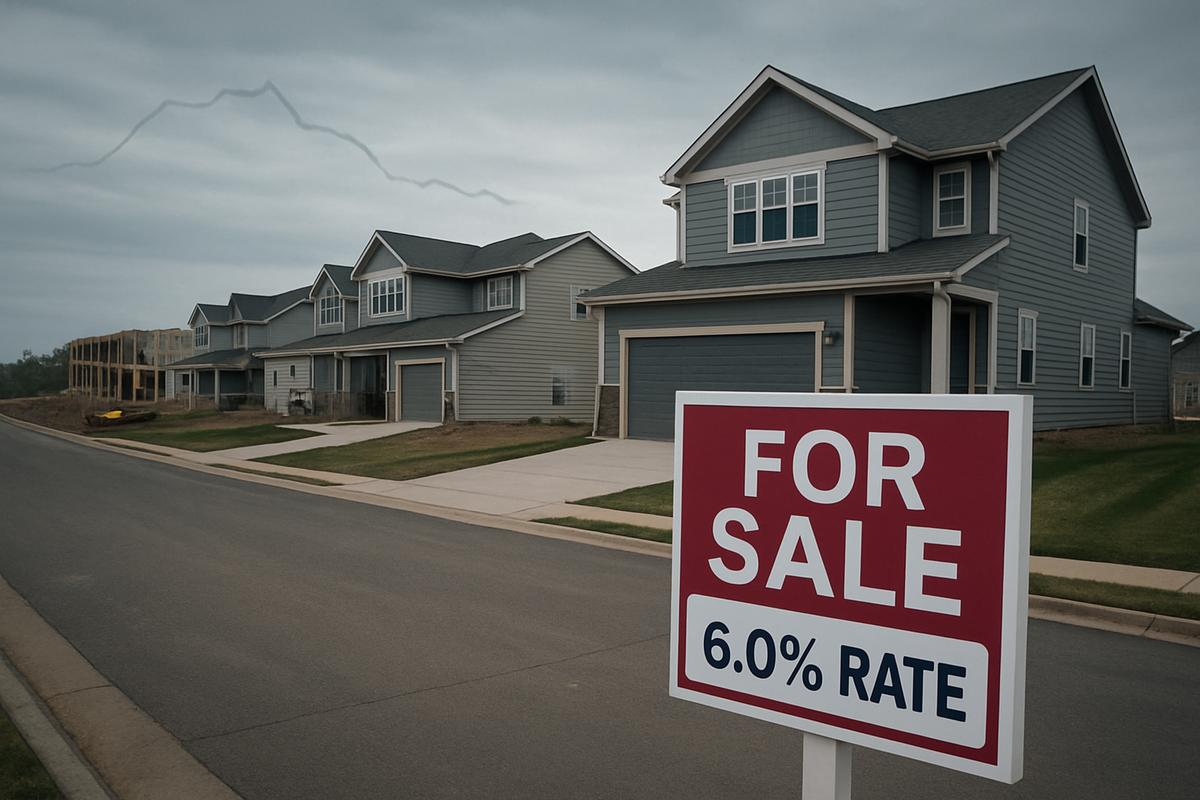
Housing affordability remains one of the biggest financial challenges confronting American families.
If borrowing costs increase, prospective homeowners could face higher monthly mortgage payments even if property prices remain unchanged.
How mortgage rates affect American families
Home purchase price
$400,000
Mortgage interest rate
7.00%
Monthly mortgage payment
$2,129
Difference from a 6% mortgage
+$210
Per month
Illustrative 30-year fixed-rate mortgage with a 20% down payment. Excludes taxes, insurance and other expenses. Not a current mortgage quote.
Existing homeowners with fixed-rate mortgages would generally not experience an increase in their principal and interest payments simply because the Federal Reserve raises rates.
8. Will American Workers Finally Receive Higher Wages?
Stronger economic growth could encourage businesses to expand operations, recruit employees and increase compensation.
However, what ultimately matters to workers is whether wages grow faster than the cost of living.
Consider a hypothetical American worker earning $60,000 annually.
When a pay raise fails to beat inflation
Original annual salary
$60,000
Salary after a 3% raise
$61,800
Assumed annual inflation
3.8%
Change in purchasing power
−0.77%
Hypothetical calculation using October's annual PCE inflation rate.
In this scenario, the worker receives a higher paycheck but can afford slightly less than before.
Economic prosperity becomes meaningful for households when their actual purchasing power improves.
9. Are American Corporations Benefiting?
Corporate profits from current production increased by $206 billion during the third quarter, compared with an increase of $384 billion in the preceding quarter.
U.S. Bureau of Economic Analysis (BEA)
0150 T300 T450 TQ2 2026Q3 2026
Although corporate profits continued to rise, their increase was smaller than in the second quarter.
Higher business profitability can support investment, employment and shareholder returns, but it does not guarantee equivalent improvements in employee compensation.
10. What Should Americans Expect Heading Into 2027?
Several economic scenarios could emerge over the coming months.
|
Possible scenario |
Impact on American families
Strong growth and falling inflation
Improved purchasing power and financial stability
Strong growth and persistent inflation
Continued cost-of-living pressures
Higher interest rates
More expensive borrowing
Slowing technology investment
Weaker business expansion and employment opportunities
Rising wages above inflation
Improved household living standards
The next official revision of third-quarter GDP is scheduled for December 23, 2026.
U.S. Bureau of Economic Analysis (BEA)
Upcoming employment, wage and inflation reports will also provide important clues about the economic outlook for 2027.
11. A Booming Economy — But Is the American Dream Becoming More Affordable?
America's latest GDP report provides legitimate reasons for optimism.
The economy is expanding, business investment remains strong and consumer demand has demonstrated resilience.
However, persistent inflation and potentially higher borrowing costs continue to threaten household financial security.
The ultimate measure of economic success should extend beyond headline GDP figures to include affordable housing, stable employment, rising purchasing power and greater opportunities for American families.
A 4.3% GDP growth rate is encouraging news for the United States. But for millions of Americans, the real economic victory will come when their paychecks can finally keep up with their everyday expenses.
AMERICA, WHAT DO YOU THINK? ARE YOU ACTUALLY FEELING THE BENEFITS OF THIS ECONOMIC BOOM, OR ARE RISING PRICES STILL MAKING YOUR LIFE MORE DIFFICULT? SHARE YOUR OPINION IN THE COMMENTS BELOW!
Comments (0)
Loading comments...
May You Like

PUTIN RAISES LUKOIL DEAL WITH TRUMP’S ENVOYS AS UKRAINE PEACE TALKS CONTINUE

IOWA MILITARY DISASTER: 5 TONS OF SUSPECTED BIOWEAPON WASTE LEAK—301+ HOSPITALIZED, 20 CRITICAL!

PACIFICA PIER IN CALIFORNIA COLLAPSE REVEALS MASSIVE CRACK BENEATH THE OCEANs!









Popular Posts



