
U.S. INFLATION SURGES UNDER TRUMP — ARE AMERICAN FAMILIES PAYING THE PRICE?
U.S. INFLATION SURGES UNDER TRUMP! GAS, GROCERIES AND HOUSING COSTS SQUEEZE AMERICAN FAMILIES — HOW MUCH MORE CAN THEY TAKE?
WASHINGTON, D.C. — NOVEMBER 21, 2026
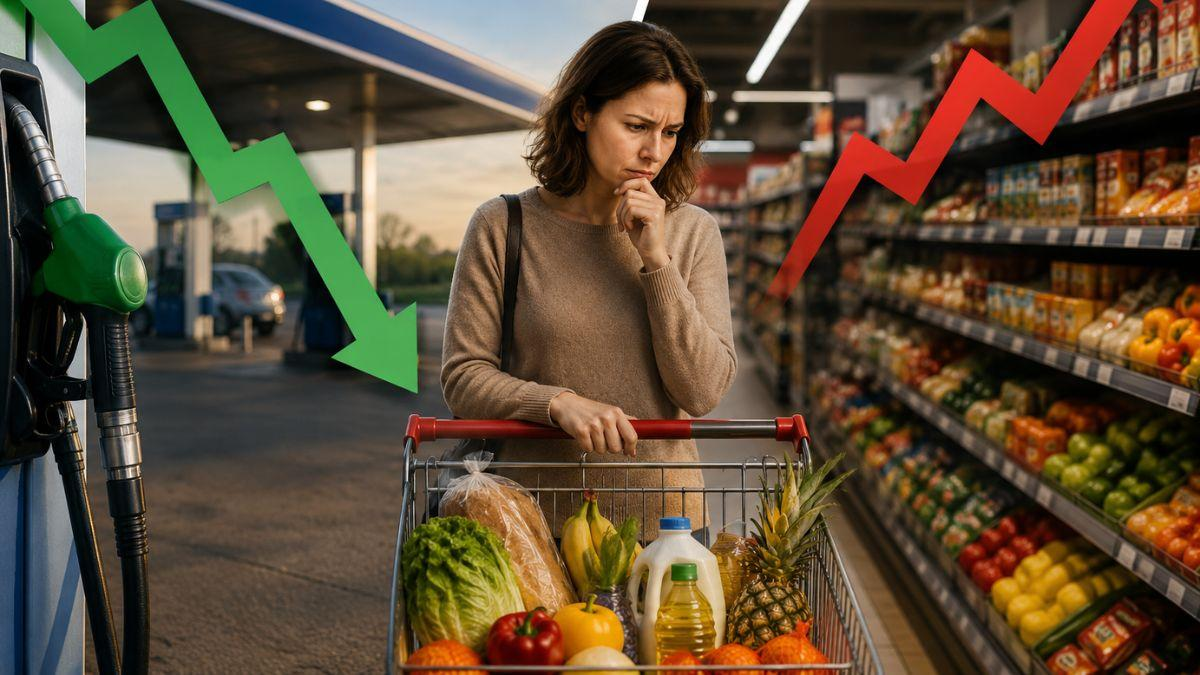
America's cost-of-living crisis is intensifying. Inflation has climbed sharply during President Donald Trump's second term, energy prices have surged amid the war with Iran, and families are paying more for everyday essentials.
The latest government figures show that consumer prices increased another 0.4% in October, exceeding economists' expectations. Food, housing and energy all contributed to the increase.
Annual inflation had already reached 3.7% in September 2026, up from 3.0% a year earlier and above the rate recorded when Trump returned to the White House.
The October report offered little reassurance: although monthly inflation slowed from September's 0.6%, prices continued rising faster than analysts expected.
2026 M10 Results+2
There is one important qualification. Because a 2025 government shutdown prevented the collection of October consumer-price data, the Bureau of Labor Statistics could not calculate a standard October 2026 annual inflation rate. The latest confirmed annual CPI reading remains September's 3.7%.
For households already struggling with expensive groceries, gasoline, rent and medical bills, the distinction offers little immediate comfort.
The question facing Washington is no longer simply whether inflation is rising. It is how long American families can absorb the financial pressure—and whether the administration's economic policies are making the problem better or worse.
The Latest Inflation Numbers: What Americans Need to Know
Annual CPI, September 2026
3.7%
Above the 3.0% reading a year earlier
Monthly CPI, October 2026
+0.4%
Economists expected +0.3%
Food prices, October
+0.5%
Energy prices, October
+0.7%
Source: U.S. Bureau of Labor Statistics and Reuters.
2026 M10 Results+1
The October Consumer Price Index report, released November 10, revealed that inflationary pressure was spreading beyond gasoline.
Housing costs rose 0.3%, accounting for more than 30% of the monthly increase in overall consumer prices.
Food prices climbed 0.5%, while core inflation—excluding food and energy—rose 0.3% for the third consecutive month.
The persistent increase in core prices is particularly concerning because it suggests that inflation cannot be explained solely by volatile oil markets.
2026 M10 Results
The Iran War: How an Overseas Conflict Is Hitting American Wallets

The war involving the United States, Israel and Iran has become a major source of economic pressure.
Disruptions and uncertainty in global energy markets have raised the cost of oil and transportation fuel.
Higher fuel prices affect more than drivers. They can increase the cost of shipping food, transporting manufactured goods and operating businesses.
According to an analysis published by J.P. Morgan Wealth Management on November 18, regular gasoline prices rose approximately 31% between the start of the war in February and early November.
Diesel prices increased approximately 66% over the same period.
and why
Those increases are especially painful for people who depend on their vehicles for work, including truck drivers, delivery workers, construction employees and commuters.
The effects can spread throughout the economy as businesses attempt to recover higher transportation expenses.
How Much Has the War Cost American Households?

A Moody's analysis cited by J.P. Morgan estimated that the Iran war had imposed approximately $2,000 in additional economic costs per U.S. household during 2026.
That estimate incorporates several effects, including energy-related expenses, higher interest rates and military spending.
and why
Estimated household economic burden attributed to the Iran war in 2026
~$2,000
Moody's estimate cited by J.P. Morgan; not a direct bill or uniform out-of-pocket expense for every household.
The estimate is significant, but it should not be interpreted as a new $2,000 tax imposed on each family.
Actual costs vary depending on driving habits, energy consumption, borrowing needs and household circumstances.
Nevertheless, it illustrates how military conflict can affect domestic living standards even when fighting takes place thousands of miles away.
Trump's Tariffs: Another Source of Rising Prices?
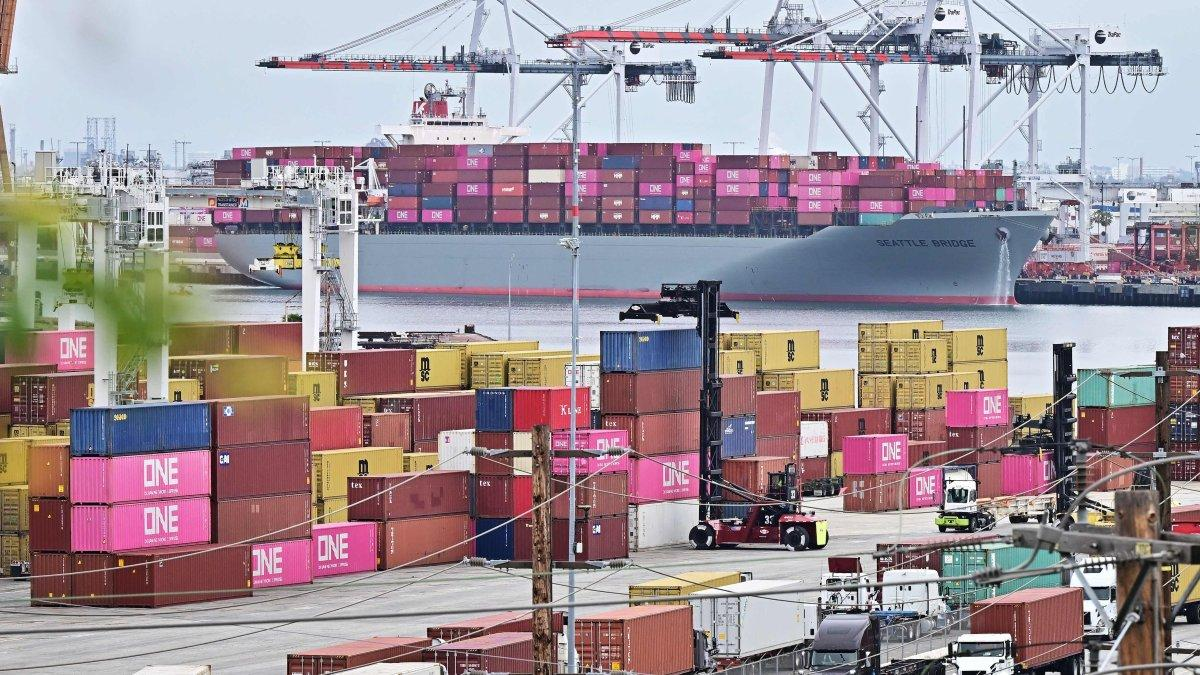
The Iran war is not the only factor contributing to inflation.
Trump's import tariffs have also increased costs for businesses that purchase goods and materials from overseas.
Tariffs are generally paid by the importing business, which may absorb the expense, negotiate with suppliers or pass some of the cost to customers.
The administration argues that tariffs protect American manufacturers, encourage domestic production and strengthen U.S. bargaining power in international trade.
Critics argue that the policies can increase consumer prices, particularly when American businesses have few affordable alternatives to imported products.
Reuters identified tariffs alongside higher oil prices and strong investment spending as important contributors to the current inflationary environment.
Reuters
On November 17, the Labor Department reported that import prices had risen 1.1% in October, following an identical increase in September.
The import-price index excludes tariffs themselves, but the report reinforced concerns that inflationary pressures were spreading across the economy.
Reuters
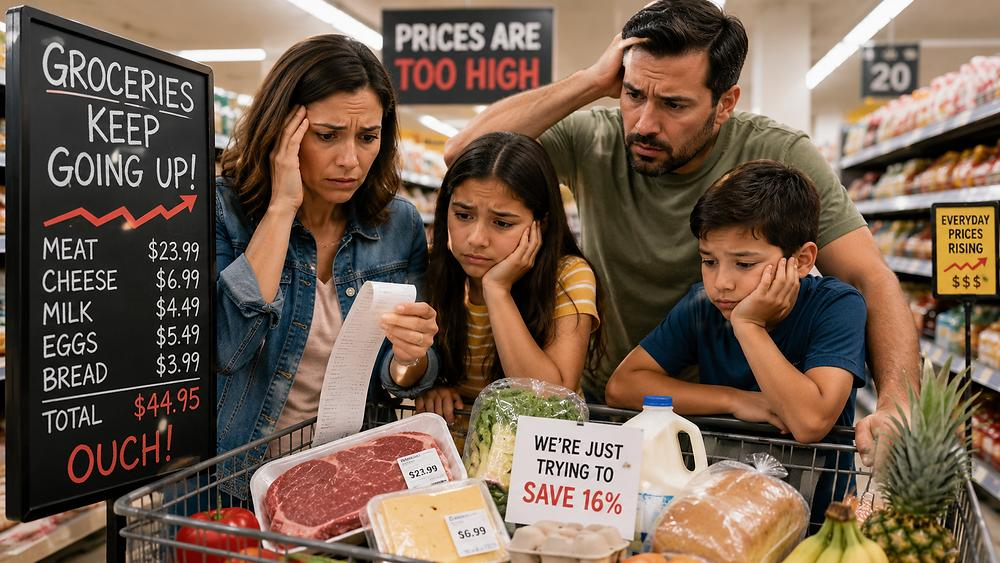
Groceries Are Getting More Expensive Again
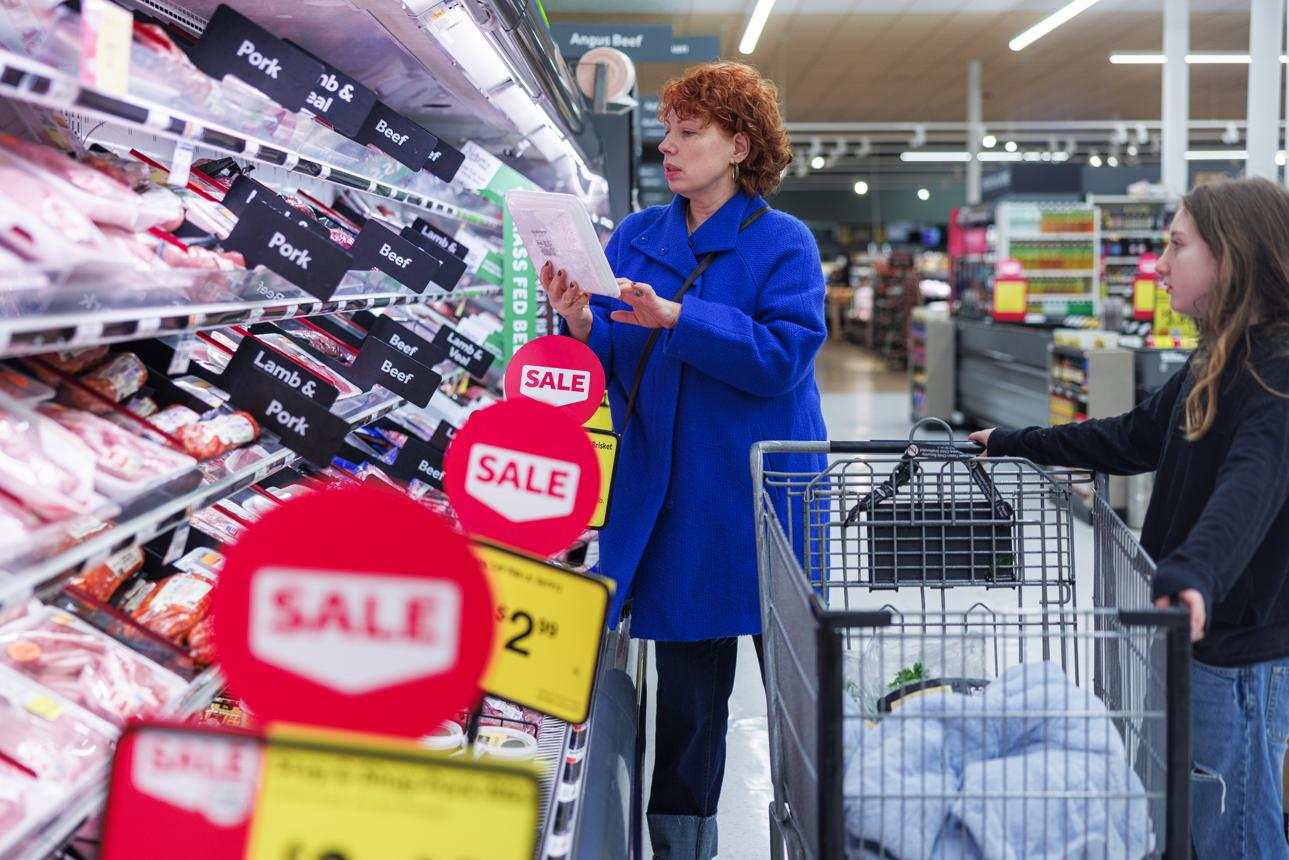
Food prices are among the most visible signs of inflation because families encounter them every week.
In October, the government's food-price index increased 0.5%.
Groceries purchased for home consumption rose 0.4%, while food purchased at restaurants increased 0.5%.
2026 M10 Results
For families operating on tight budgets, even relatively small monthly increases can accumulate.
A household that previously spent $800 per month on groceries would pay approximately $803.20 after a 0.4% increase, assuming its shopping basket remained unchanged.
That may seem modest for one month. But repeated increases compound over time, and many families are already paying elevated prices compared with previous years.
Inflation slowing does not necessarily mean prices are falling. It usually means prices are increasing at a slower rate.
Housing and Medical Costs Add to the Pressure

Housing remains another major burden.
The shelter component of the Consumer Price Index rose 0.3% in October and accounted for more than 30% of the month's overall inflation increase.
Medical care, motor vehicle insurance, household furnishings and education also registered price increases.
2026 M10 Results
The consequences vary among households.
Renters may face higher monthly payments when leases renew.
Homebuyers can struggle with mortgage costs, especially if inflation keeps interest rates elevated.
Families with significant medical expenses may have less flexibility to absorb additional price increases.
For many Americans, the combined burden matters more than any single inflation statistic.
Is Government Spending Making Inflation Worse?

Federal spending has become another point of contention.
Critics argue that large budget deficits and military expenditures can add demand to an economy already struggling with price pressures.
Supporters of the administration counter that defense spending and other government programs serve national-security and economic objectives.
Economically, the relationship is more complicated than saying every additional dollar of federal spending automatically produces inflation.
Government spending can increase demand, but its effect depends on how the money is financed, the economy's productive capacity and whether spending offsets weakness elsewhere.
The current inflation data do not establish how much of October's price increase was specifically caused by additional federal spending.
What is clear is that energy shocks, import costs and persistent price increases across services are creating a difficult environment for policymakers.
The Federal Reserve Faces a Difficult Decision
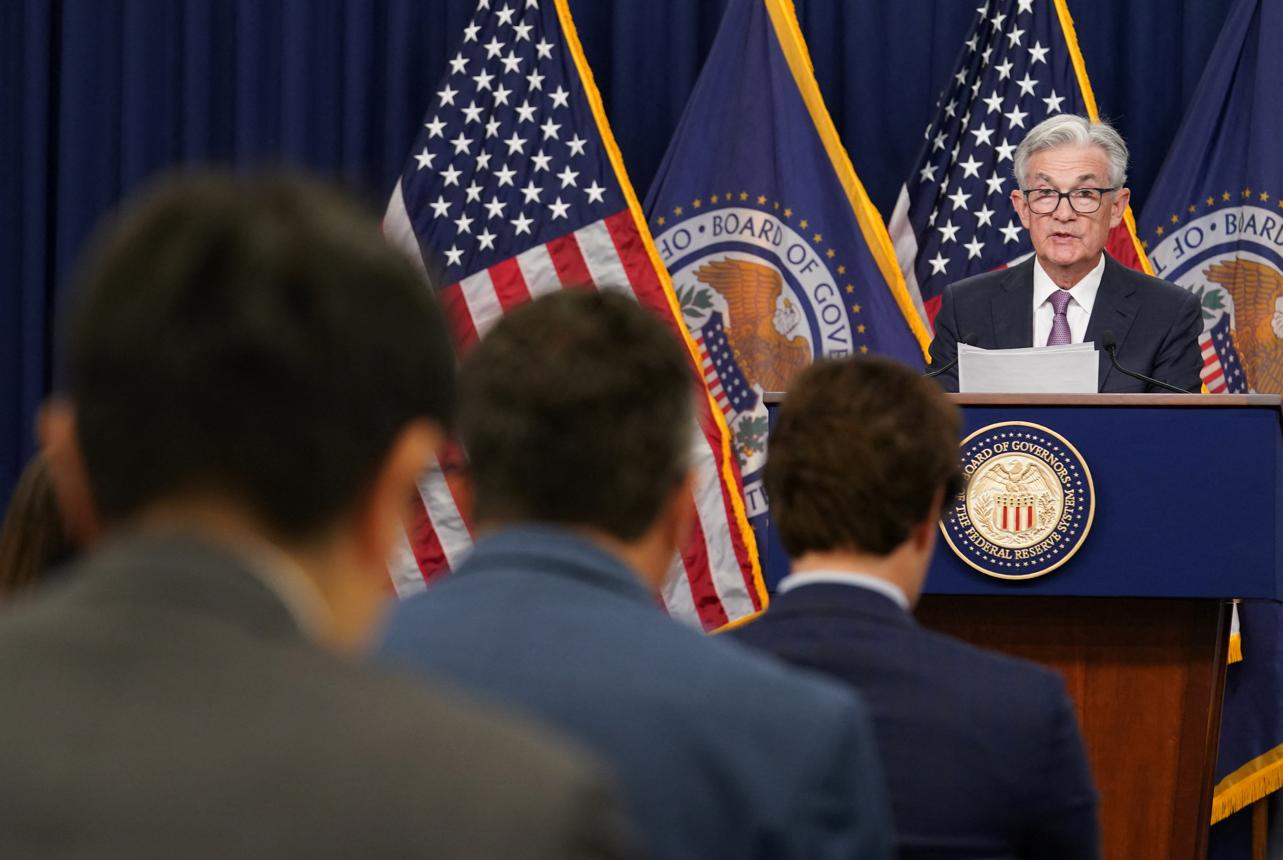
The Federal Reserve is responsible for maintaining price stability while supporting maximum employment.
Its long-term inflation target is 2%, measured using the Personal Consumption Expenditures price index.
Inflation remains well above that objective.
After the October CPI report, financial markets increasingly expected another interest-rate increase at the Fed's December meeting.
The central bank had left its benchmark rate at 3.75%–4.00% in October.
Investing.com
Higher interest rates can help slow inflation by reducing borrowing and spending.
But they can also increase costs for people financing homes, vehicles and business investments.
That creates a difficult trade-off: bringing inflation down without unnecessarily damaging employment and economic growth.
Is There Any Good News for the Economy?

Despite inflation concerns, the economy is not showing weakness in every area.
The Labor Department reported that employers added approximately 165,000 jobs in October, while unemployment stood at 4.1%.
Retail sales also showed underlying resilience, suggesting that many consumers continued spending despite higher prices.
Bureau of Labor Statistics+1
There are signs of moderation in certain categories as well.
The Treasury Department reported that annual core consumer inflation was 2.6% in September, down from 3.0% a year earlier.
Rent inflation had also moderated compared with the previous year.
U.S. Department of the Treasury
These figures complicate the picture.
The economy is experiencing significant inflation pressure, but not every indicator points toward an accelerating crisis.
Why Inflation Has Become a Political Problem for Trump

Trump returned to office promising to reduce inflation and improve Americans' purchasing power.
But consumer prices have continued to rise during his second term.
FactCheck.org reported that the overall Consumer Price Index increased approximately 5.4% during Trump's first 20 months back in office.
It also found that consumer prices had recently been rising faster than average weekly paychecks.
FactCheck.org
The cost of living became a major political issue during the November midterm elections, in which Republicans suffered significant losses.
For the administration, the challenge is that voters judge economic performance through everyday experiences.
A strong stock market or a major international trade agreement may offer limited reassurance to someone struggling to afford groceries, gasoline and housing.
At the same time, inflation has multiple causes, and responsibility cannot be assigned to any single president or policy without careful analysis.
How Much Longer Can Americans Endure Rising Prices?
There is no single answer.
Higher-income households may be able to absorb increased expenses by reducing savings or discretionary spending.
Lower-income families often have fewer options because food, housing, utilities and transportation already consume a large share of their income.
Retirees on fixed incomes can face similar difficulties.
The longer inflation persists above wage growth, the greater the pressure on household purchasing power.
The outlook will depend on several developments: whether energy prices stabilize, whether international tensions ease, whether supply costs moderate and whether the Federal Reserve can reduce inflation without triggering a sharp economic slowdown.
What Happens Next?
Monthly U.S. consumer-price increases in 2026
Seasonally adjusted CPI changes. October inflation slowed from September but remained above expectations.
-0,5%-0,125%0,25%0,625%1%AprMayJunJulAugSepOct
Source: Bureau of Labor Statistics, October 2026 CPI report.
2026 M10 Results
The next major test will come on December 10, when the Bureau of Labor Statistics is scheduled to release November inflation figures.
That report will provide another indication of whether inflationary pressures are easing or continuing to spread.
Bureau of Labor Statistics
Until then, American families remain caught between higher everyday costs and uncertainty about interest rates, energy markets and federal economic policy.
The latest data show that inflation is still a serious problem. But the evidence does not establish that October recorded the highest annual inflation rate of Trump's presidency, because that annual figure was not officially calculated.
The most recent confirmed annual rate, September's 3.7%, was already substantially above the Federal Reserve's inflation objective.
For households struggling to make ends meet, the economic challenge is immediate.
Should President Trump prioritize ending the Iran war, reconsidering tariffs and reducing household costs? Or are higher prices an unavoidable consequence of protecting America's economic and national-security interests?
AMERICA, WHAT DO YOU THINK? SHARE YOUR OPINION IN THE COMMENTS BELOW!
Comments (0)
Loading comments...
May You Like

IRAN WARNS WASHINGTON — HOW SERIOUS IS THE THREAT TO U.S. MILITARY BASES?

IOWA NIGHTMARE: SECOND ARMY BLAST, 10,000 EVACUATED, 201+ HOSPITALIZED!

PENTAGON'S DECLASSIFIED UFO FILES — THE MYSTERY OF AN UNDERGROUND STORAGE PROJECT!












