
U.S. Intelligence Warns of Advanced Iranian Plots Targeting Americans Abroad
October 29, 2026 | Washington, D.C., United States | National Security & International Affairs
Intelligence Warning Raises Concerns About Americans Overseas
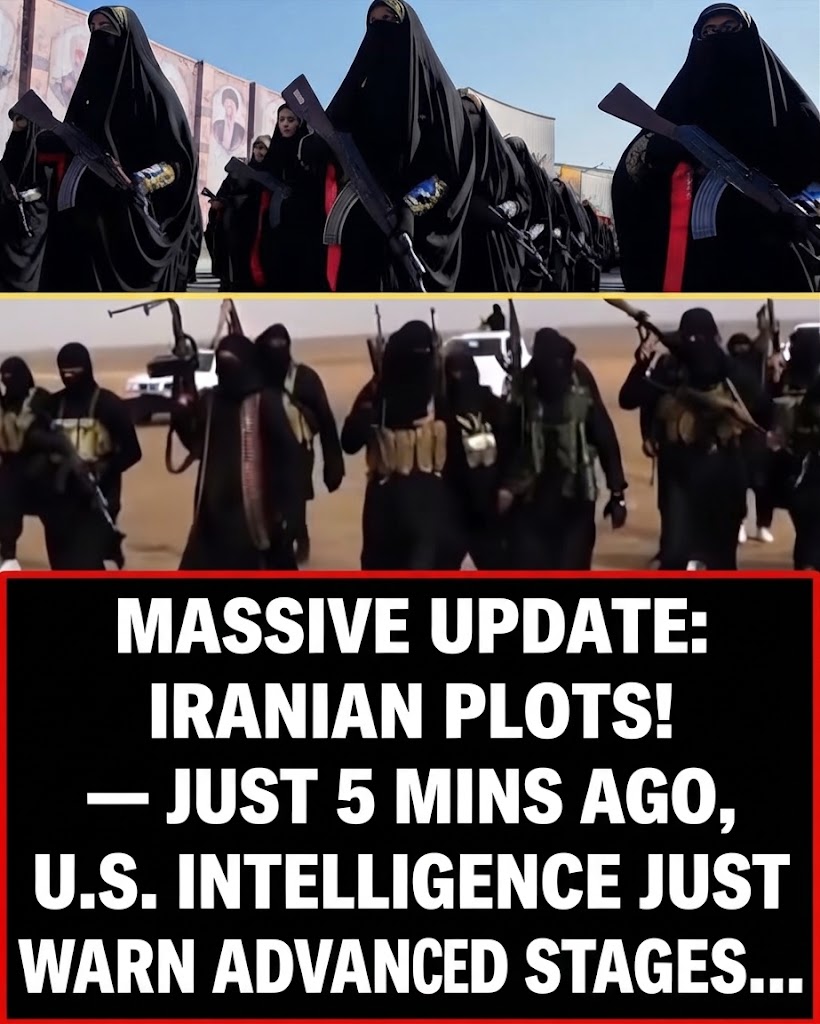
U.S. intelligence officials have warned that Iran has significantly increased efforts to target American personnel abroad, with alleged lethal plots reaching advanced stages, according to an intelligence memorandum dated October 23.
The warning was issued by Director of National Intelligence Jay Clayton in a memo addressed to Secretary of State Marco Rubio. U.S. officials subsequently confirmed the document's authenticity to news organizations.
“The lethal plotting efforts by the Iranians against U.S. citizens have reached advanced stages in both the Middle East and certain other countries,” Clayton wrote, emphasizing the seriousness of the reported intelligence.
The warning concerns potential threats to American personnel and citizens outside the United States. However, the publicly reported memo does not identify specific targets, provide details of individual plots, or establish whether an attack is imminent.
The distinction matters because an intelligence assessment describes information gathered by government agencies, rather than proving that every suspected operation will be carried out. Officials have not publicly disclosed all the underlying evidence.
Washington Reviews Security at Diplomatic Missions
The warning emerged as Washington was already adjusting staffing levels at several diplomatic missions across the Middle East. The measures reflected concerns about threats linked to Iran and attacks by Iran-backed Houthi forces in Yemen.
The State Department ordered non-emergency government employees and their family members to leave Saudi Arabia earlier in the week. Other diplomatic missions, including those in Jordan, Lebanon, Qatar, and the United Arab Emirates, also operated with restricted staffing.
These precautions are intended to reduce personnel exposure when officials assess that security conditions have deteriorated. They do not necessarily mean that an attack against a particular embassy or individual is expected to occur immediately.
A U.S. official said diplomatic staffing decisions are continually reviewed as new security information becomes available. Threats from Houthi attacks and alleged Iranian plots both contributed to decisions affecting American personnel in the region.
The restrictions also demonstrate how intelligence warnings can influence government operations before authorities publicly disclose detailed information. Officials may take precautionary measures even when the intelligence cannot be fully released without compromising sources or methods.
What the Memorandum Says—and Does Not Say
Clayton's memo stated that the threat information was relevant to more people than were currently authorized to receive it. He indicated that intelligence officials would work to make additional information available to appropriate State Department personnel.
The document did not publicly identify specific individuals allegedly targeted, provide a complete account of suspected operations, or name every country outside the Middle East where threats might exist.
It therefore remains unclear from the public information whether the alleged plots involve particular officials, diplomats, military personnel, or other American citizens. Officials have also not disclosed a comprehensive timeline for any suspected operation.
The phrase “advanced stages” signals concern within the intelligence community, but it should not automatically be interpreted as confirmation that an attack is imminent. The public record does not provide enough detail to determine the precise operational status of individual threats.
A Wider Regional Security Crisis
The warning comes amid an extended conflict involving the United States, Israel, and Iran, with tensions affecting regional security and international shipping. Attacks and threats around the Strait of Hormuz have added pressure to an already volatile situation.
Iran-aligned Houthi forces in Yemen have also contributed to regional security concerns. Although the Houthis and Iran maintain close ties, they are distinct actors, and claims about their activities should not automatically be treated as evidence of direct Iranian control over every operation.
American diplomatic facilities have faced heightened security concerns as Washington weighs its military and diplomatic options. Any further escalation could increase risks for U.S. personnel and complicate efforts to maintain diplomatic channels across the region.
The situation also has economic implications because instability near major shipping routes can disrupt energy markets, raise transportation costs, and unsettle global trade. Governments and businesses are monitoring developments for signs of further disruption.
Diplomatic Pressure and the Risk of Escalation
The intelligence warning arrives at a sensitive moment for U.S. foreign policy. President Donald Trump's administration has considered its options toward Tehran while officials assess security risks and the prospects for renewed diplomatic engagement.
Any decision to launch additional military action could prompt retaliation or further threats against American interests. At the same time, the existence of an intelligence warning does not by itself establish what response the administration will choose.
Diplomacy remains an important part of the broader picture. Regional governments have pursued discussions intended to prevent renewed fighting, reflecting concerns that a wider confrontation could threaten civilians, energy infrastructure, and international commerce.
For U.S. officials, the immediate priorities include protecting personnel, sharing relevant intelligence, and assessing potential threats without unnecessarily exposing sensitive information. Those decisions must balance public transparency with the need to protect intelligence sources and operational security.
What Happens Next?
The key question is whether U.S. authorities will disclose further details that clarify the nature, location, and credibility of the suspected plots. Additional information could help explain which personnel face the greatest risks and what precautions may be necessary.
For now, the available public evidence supports a clear but limited conclusion: U.S. intelligence has warned of increased Iranian efforts to target Americans abroad, and the administration has taken precautionary steps at diplomatic missions.
The warning should be taken seriously without overstating what has been established. No publicly released information in the memo confirms a specific imminent attack, and the identities of any alleged targets remain undisclosed.
As tensions continue, the situation will depend on intelligence assessments, security developments, and decisions made by Washington and Tehran. The immediate challenge is to protect Americans overseas while avoiding assumptions that go beyond the available evidence.
Comments (0)
Loading comments...
May You Like

DAVENPORT AIRBNB HORROR — “SHOTS AT THE DOOR” GAME, 1 DEAD, 6 INJURED!

WWE BRONSON REED DEAD AT 38, STIMULANTS DETECTED, $10M INSURANCE PAYOUT FROZEN!

WEYMOUTH HORROR—80-MPH WIND GUSTS, FIRE TRUCK FLIPS, 3 FIREFIGHTERS CRITICAL!










Popular Posts


