
U.S. MISSILE SHORTAGES SPARK FURIOUS FIGHT OVER MILITARY’S “WINCHESTER” RISK
WASHINGTON — NOV 21, 2026 — A dispute over American missile supplies is putting the Pentagon and Congress under renewed pressure as military operations and global commitments compete for weapons that take years to replace.
Lawmakers are asking how quickly production can increase and what sustained demand could mean for the military’s ability to respond to a separate crisis in another region.
The debate spans weapons used to strike distant targets and interceptors designed to stop incoming missiles, with each system relying on its own factories, components and production schedule.

American forces have used precision weapons and missile defenses extensively during operations involving Iran, adding demand to inventories already affected by commitments to allies and previous conflicts.
The United States also supplies military equipment to partners facing threats of their own, making production capacity relevant to both American readiness and commitments beyond the Middle East.
Tomahawk cruise missiles are designed for long-range attacks, while Patriot interceptors perform a different mission by helping defend against aircraft and certain incoming missiles.
Because the weapons have different roles, a shortage in one category cannot be assessed by counting every missile together or assuming another system can immediately replace it.
Production depends on specialized workers, manufacturing equipment and suppliers of components such as rocket motors, electronics and materials that cannot always be expanded on short notice.
The Government Accountability Office has found persistent munitions shortages and said the Defense Department lacks an overarching plan and accountable leadership to address them across the department.
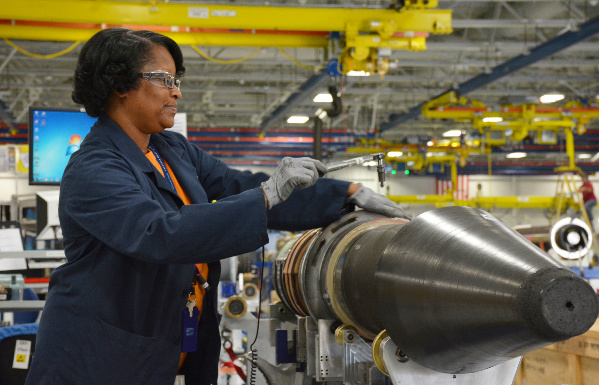
Congress has authorized multiyear procurement for several critical munitions, a step intended to give manufacturers more confidence to invest in workers, suppliers and additional capacity.
The Pentagon has also pursued agreements with defense companies to expand output, though the final pace depends on appropriations, factory construction and the ability of suppliers to deliver.
The White House has disputed claims that the military lacks adequate supplies, while independent analysts warn that classified inventories make an exact public accounting impossible.
At a recent congressional budget hearing, lawmakers pressed defense officials for more detail about spending, replacement timelines and how the military sets priorities among different theaters.
The Center for Strategic and International Studies has used the term “Winchester” to describe running out of ammunition, raising questions about whether specific inventories could become dangerously thin.
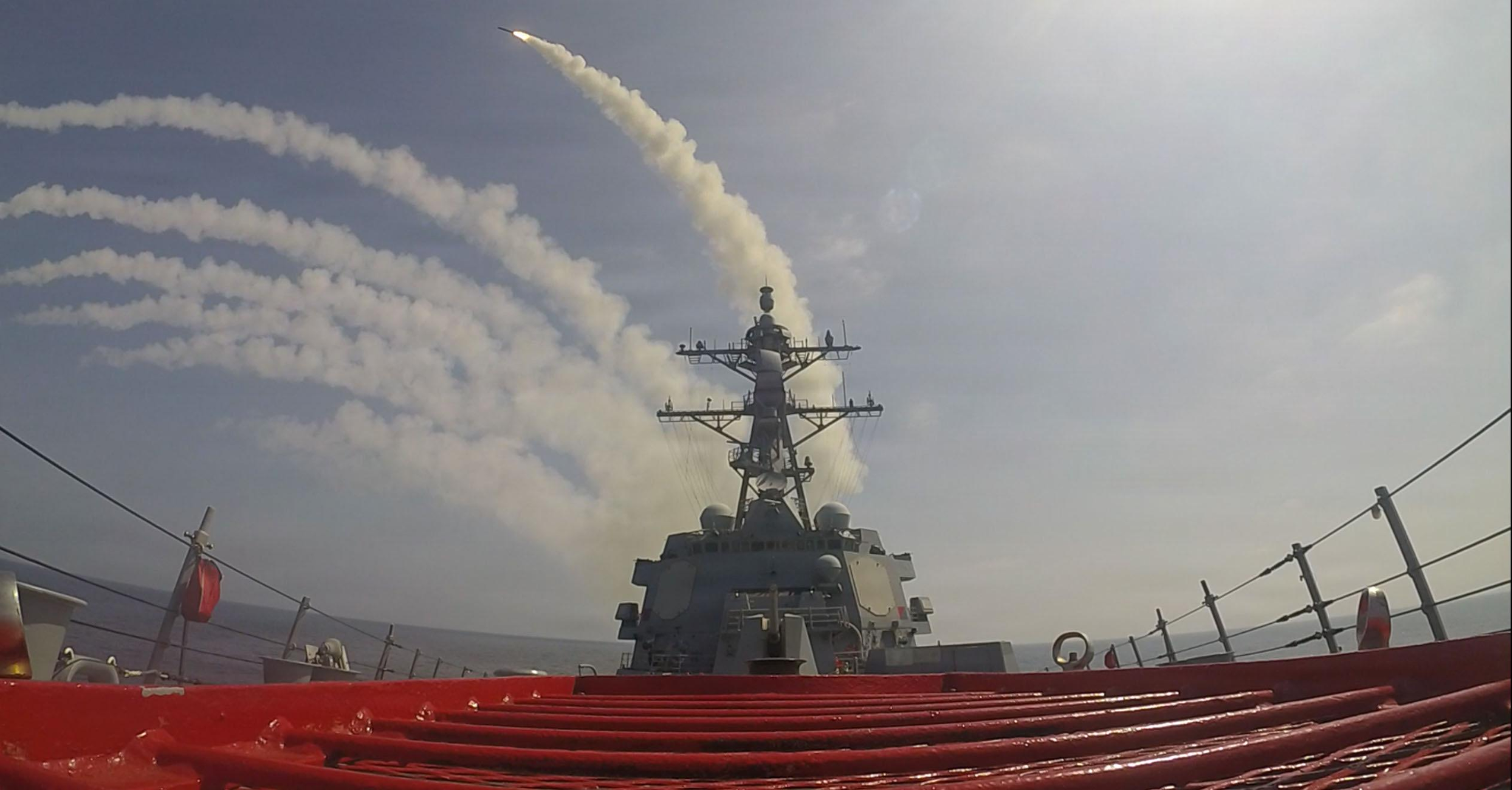
At a subsequent closed briefing, officials presented lawmakers with a hypothetical scenario in which a prolonged surge in demand could force commanders to conserve selected interceptors before new deliveries arrive.
The briefing did not provide a public countdown to exhaustion, but it identified production bottlenecks and competing operational requirements as the main factors determining how quickly reserves could be rebuilt.
In response, lawmakers drafted a proposal requiring quarterly reports on output, supplier delays and replenishment targets, with classified details reserved for the congressional defense committees.
The proposal also calls for multiyear funding and independent reviews of factory expansion, giving Congress a way to judge whether promised increases translate into delivered weapons.
The answer is that the limit cannot be measured publicly as a fixed number of days, but the scenario shows that specific missile inventories could face pressure long before all ammunition runs out.
Whether the gap narrows depends on how much is used, how rapidly manufacturers deliver and whether Congress and the Pentagon sustain funding long enough to replenish the most constrained systems.
Comments (0)
Loading comments...
May You Like

AMERICA'S LUCAS DRONE — A POTENTIAL GAME CHANGER IN THE SOUTH CHINA SEA?

AMERICA’S NEW-GENERATION AIRCRAFT CARRIERS — MILITARY MIGHT BUILT AT THE EXPENSE OF THE PEOPLE

ELON MUSK'S MILLION-SATELLITE MEGAPROJECT — THE NEXT FRONTIER OF AMERICAN SPACE POWER?












