
U.S. REPORTEDLY STRIKES OIL TANKER NEAR IRAN — COULD GAS PRICES SURGE?
U.S. FORCES REPORTEDLY STRIKE OIL TANKER NEAR IRAN: COULD AMERICANS FACE ANOTHER SURGE IN GAS PRICES?
WASHINGTON, D.C. / TEHRAN — NOVEMBER 28, 2026
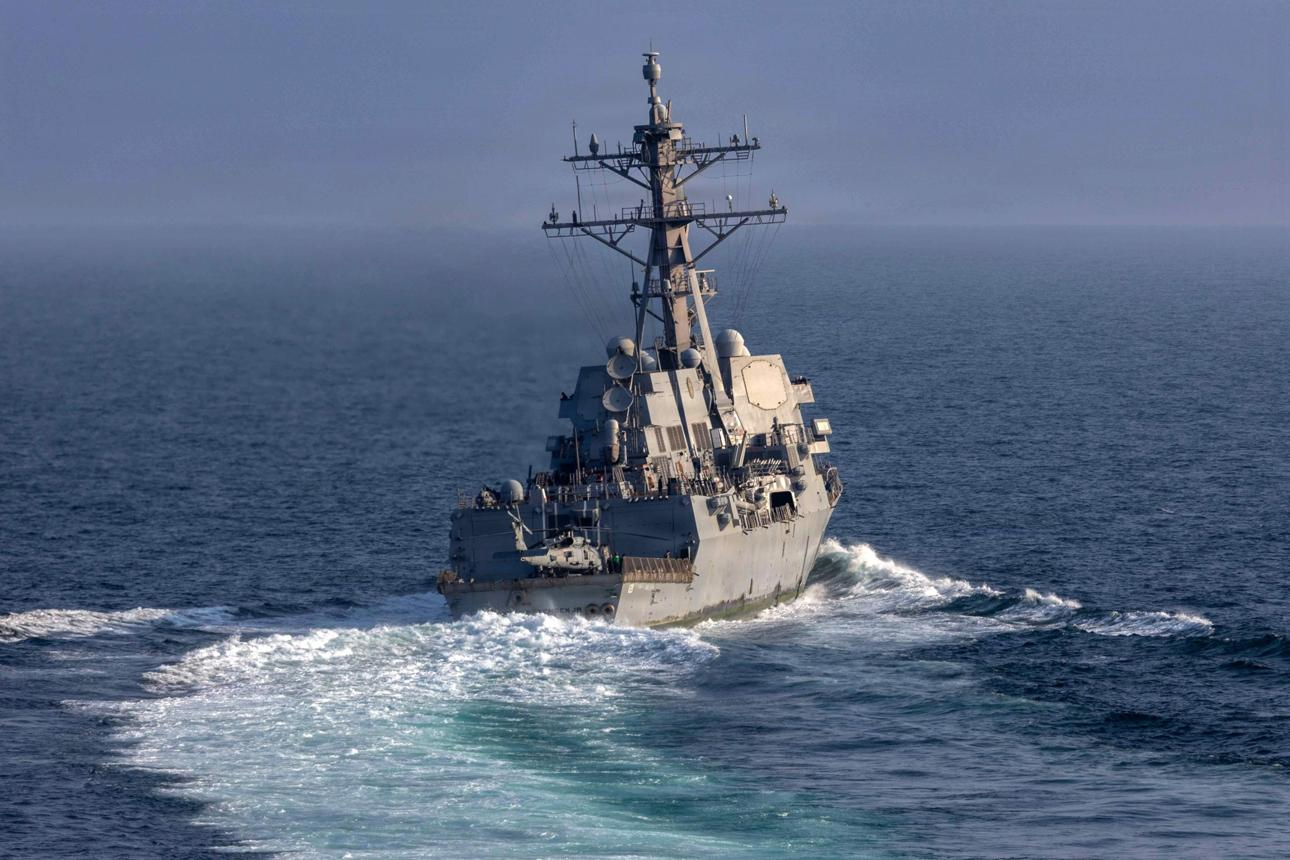
Military tensions near Iran are raising fresh fears of a global energy crisis! U.S. forces have reportedly struck an oil tanker attempting to breach the American naval blockade on Iran, raising concerns about the security of international oil shipments.
If confirmed, the confrontation could further escalate tensions between Washington and Tehran, increase risks for commercial vessels and put additional pressure on global energy markets.
For American families already struggling with elevated living costs, another disruption to oil supplies could mean more expensive trips to the gas station.
1. U.S. Central Command Confirms the Thanksgiving Day Strike
On November 27, U.S. Central Command (CENTCOM) confirmed that American forces had disabled a commercial vessel in the Gulf of Oman on Thanksgiving Day, November 26.
The vessel, identified as the M/V Pacific Archer, had departed from Iran's Bandar Abbas port and allegedly ignored repeated American warnings.
Its propulsion system was disabled, but CENTCOM reported that the civilian crew was unharmed.
DVIDS+1
|
Incident details |
Information
Date
November 26, 2026
Location
Gulf of Oman
Vessel
M/V Pacific Archer
Flag
Palau
Vessel type
Bulk cargo carrier
Damage
Propulsion system disabled
Crew
Unharmed, according to CENTCOM
Importantly, although some reports described the vessel as an oil tanker, official military records identify it as a bulk carrier. Its cargo has not been publicly confirmed.
DVIDS+1
2. Where Did the Military Confrontation Occur?
Use two fingers to move the map
Use ctrl + scroll to zoom the map
The Gulf of Oman connects the Strait of Hormuz with the Arabian Sea, making it an important passage for international energy transportation.
Any escalation in this region could threaten commercial shipping, increase transportation expenses and disrupt international supply chains.
3. Washington Intensifies Enforcement of Its Naval Blockade
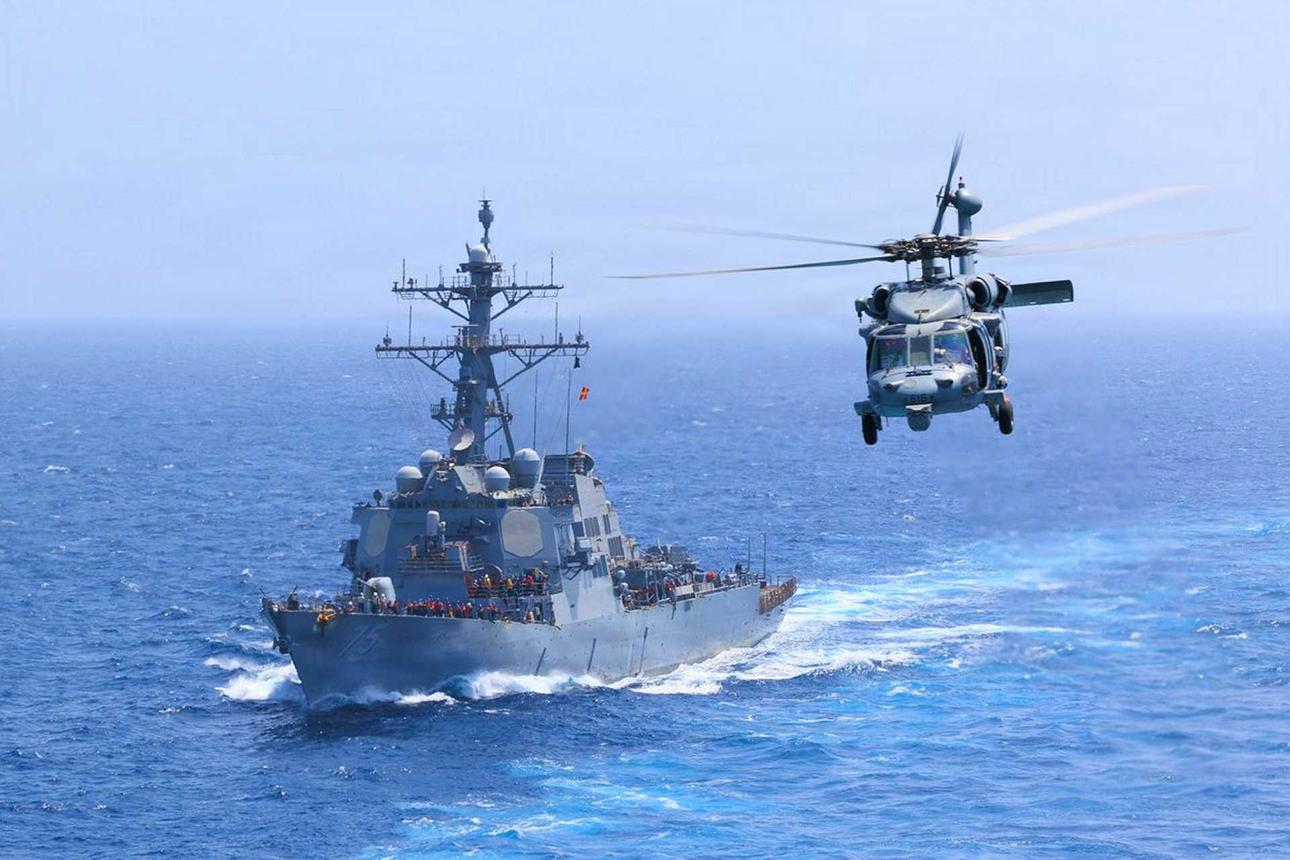
The United States has continued enforcing its blockade of Iranian ports since operations resumed in July.
According to CENTCOM and Associated Press reporting, numerous commercial vessels have already been forced to change course.
Commercial vessels redirected
158
Vessels disabled since July
6
Disclosed vessels disabled since spring
15+
Previous reported strike
November 7
Sources: CENTCOM and Associated Press, November 27, 2026.
DVIDS+1
The latest incident demonstrates Washington's determination to enforce its restrictions on Iranian maritime commerce.
However, the use of military force against civilian commercial vessels also raises concerns about maritime safety and international law.
4. Iran Vows to Break the American Blockade
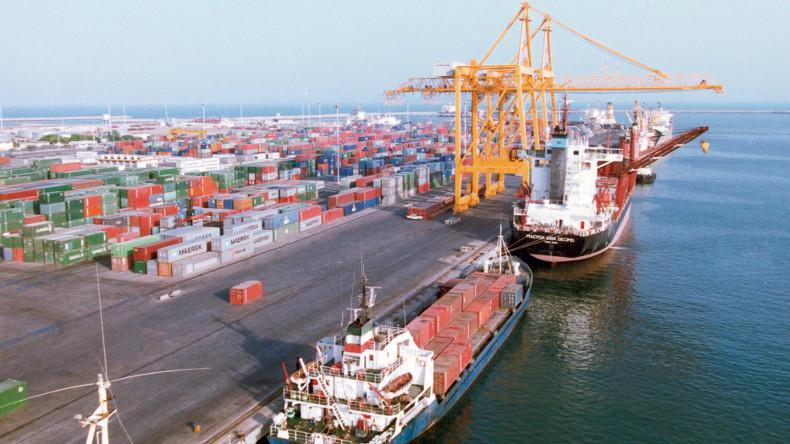
Iranian naval commander Shahram Irani has declared that Tehran intends to break the blockade and challenge the American military presence in regional waters.
Separately, Iran's Revolutionary Guard claimed on November 27 that an oil tanker had struck a naval mine near the Strait of Hormuz.
That allegation has not been independently verified and should not be confused with the American strike on the Pacific Archer.
Al Jazeera+1
The competing military threats increase the danger of miscalculation and further confrontation.
5. Regional Oil Supplies Are Already Under Pressure
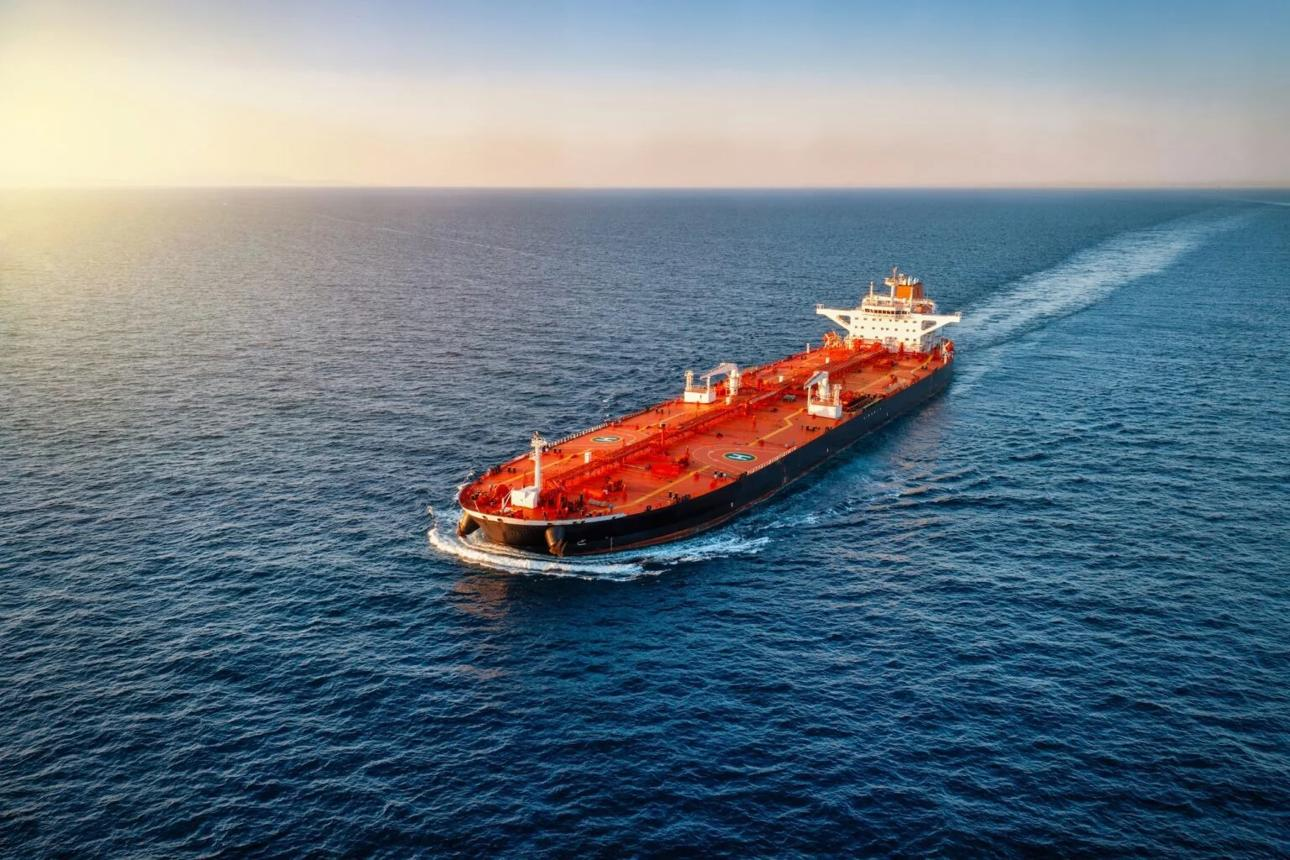
According to Rystad Energy data cited by the Associated Press, regional oil flows declined substantially during the first two weeks of November compared with October.
Reported decline in regional oil flows
Approximately 20%
October
15–16 million barrels/day
First half of November
13 million barrels/day
Source: Rystad Energy, cited by Associated Press on November 27. Figures are approximate.
The Washington Post+1
A United Nations trade report also identifies maritime disruptions as contributing to longer voyages, rising fuel expenses and transportation uncertainty.
The latest military confrontation adds another layer of risk to an already strained shipping environment.
6. Could American Gasoline Prices Skyrocket?
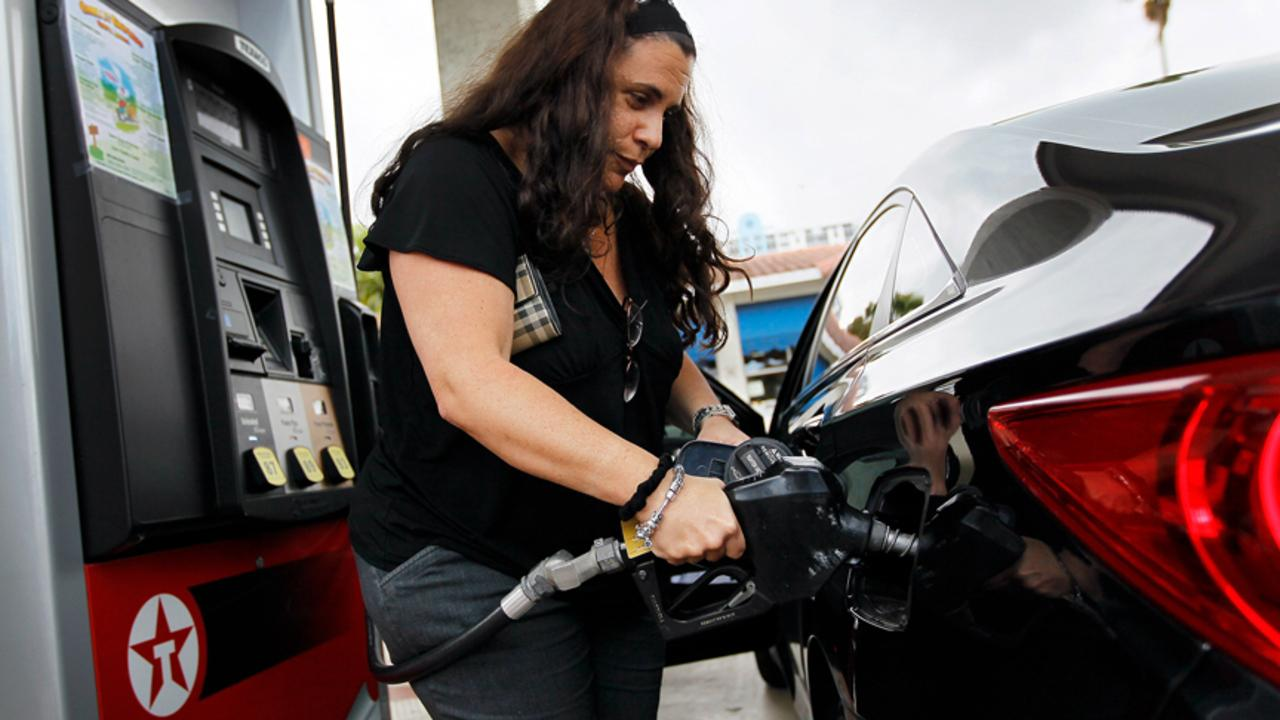
Even though the United States is a major oil producer, American gasoline prices remain exposed to fluctuations in global crude oil markets.
A prolonged military confrontation could affect American households through several channels.
|
Potential disruption |
Economic consequence
Reduced oil exports
Upward pressure on crude oil prices
Shipping disruptions
Higher transportation costs
Increased maritime risks
More expensive shipping insurance
Higher gasoline prices
Greater household expenses
Rising diesel costs
Potential increases in food and retail prices
However, a single strike on a cargo vessel does not automatically trigger an oil shortage or a nationwide gasoline price increase.
The scale and duration of any disruption will determine the broader economic consequences.
7. How Much Could Higher Gas Prices Cost American Families?
Household fuel cost calculator
Monthly gasoline consumption
100 gallons
Potential price increase per gallon
$0.75
Additional monthly expense
$75
Additional annual expense
$900
Hypothetical calculation assuming the price increase persists. Not a gasoline price forecast.
For working Americans who depend on their vehicles for daily transportation, a sustained increase in gasoline prices could significantly reduce disposable income.
8. What Could Happen Next?
Three possible scenarios could determine the direction of global energy markets.
Scenario 1 — Diplomatic breakthrough
Washington and Tehran reach an agreement that reduces maritime tensions and improves the security of commercial shipping.
Scenario 2 — Prolonged blockade
Maritime restrictions continue, maintaining uncertainty and increasing costs for international shipping companies.
Scenario 3 — Wider military escalation
Additional confrontations cause more extensive energy supply disruptions, potentially driving global oil and gasoline prices higher.
These are possible outcomes, not confirmed predictions.
9. Will Ordinary Americans Ultimately Pay the Price?
Washington's military confrontation with Iran extends far beyond the battlefield.
While supporters of the blockade argue that economic pressure could force Iran to make concessions, critics warn that prolonged military tensions could impose substantial costs on international commerce and American consumers.
The biggest question is whether Washington can achieve its strategic objectives without triggering another energy crisis.
AMERICA, WHAT DO YOU THINK? IS THE NAVAL BLOCKADE NECESSARY TO PROTECT AMERICAN INTERESTS, OR COULD THIS CONFRONTATION FORCE HARDWORKING AMERICAN FAMILIES TO PAY EVEN MORE AT THE GAS PUMP? SHARE YOUR OPINION IN THE COMMENTS BELOW!
Comments (0)
Loading comments...
May You Like

BLACK FRIDAY TENSIONS IN NYC — DID PROTESTERS CROSS THE LINE AT A DISNEY STORE?

TOLEDO I-75 TRUCK CRASH — POTENTIAL BRIDGE COLLAPSE AND MILLIONS IN DAMAGE!

ANTISEMITIC THREAT CONCERNS IN NEW YORK — HAVE WE LEARNED NOTHING FROM HISTORY?












