
U.S. SURVIVAL SUPPLY SPENDING SURGES 400%? WHAT ARE AMERICANS PREPARING FOR?
AMERICANS RUSH TO STOCKPILE EMERGENCY SUPPLIES! ARE GROWING FEARS OF TECHNOLOGY FAILURES AND POWER OUTAGES DRIVING A SURVIVALIST BOOM?
UNITED STATES — NOVEMBER 25, 2026
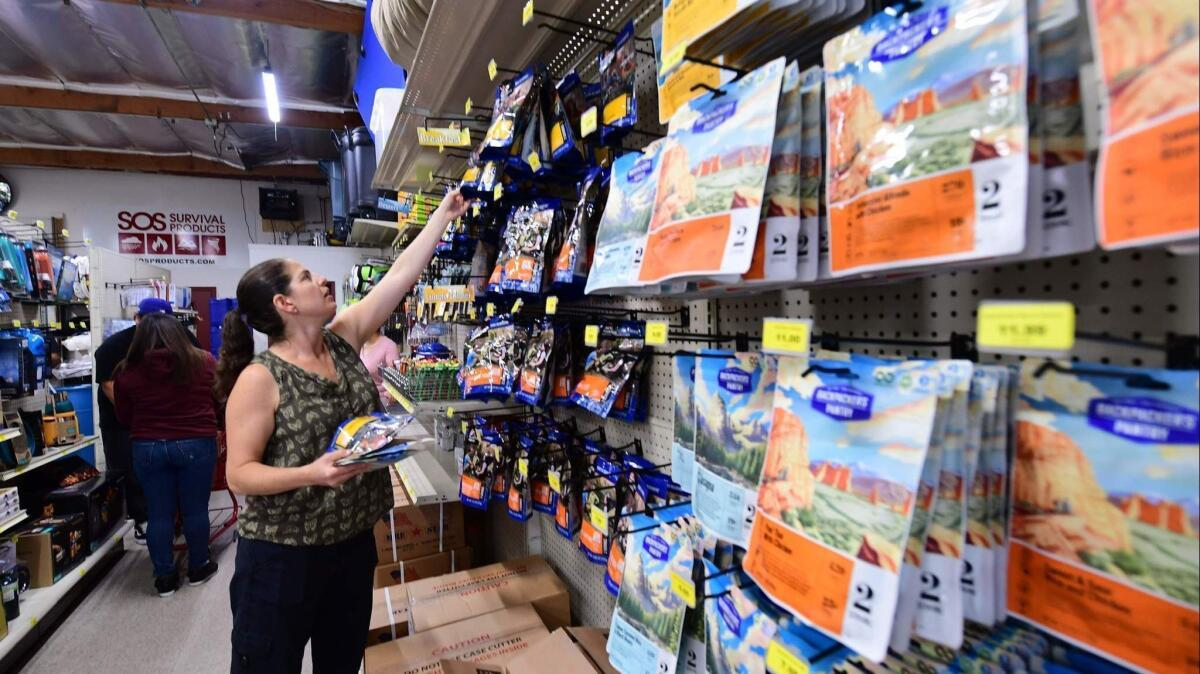
From emergency food supplies and bottled water to backup generators and portable power stations, concerns about technological disruptions are drawing attention to emergency preparedness across America.
Reports of a staggering 400% surge in spending at survivalist supply stores have raised questions about what is driving consumer behavior.
Recent technological disruptions have also highlighted how heavily modern society depends on electricity, internet connectivity, electronic payments and digital communications.
But does increased interest in survival supplies indicate a genuine nationwide emergency, or are consumers simply becoming more cautious about unexpected disruptions?
1. Emergency Supply Spending Surges by 400%
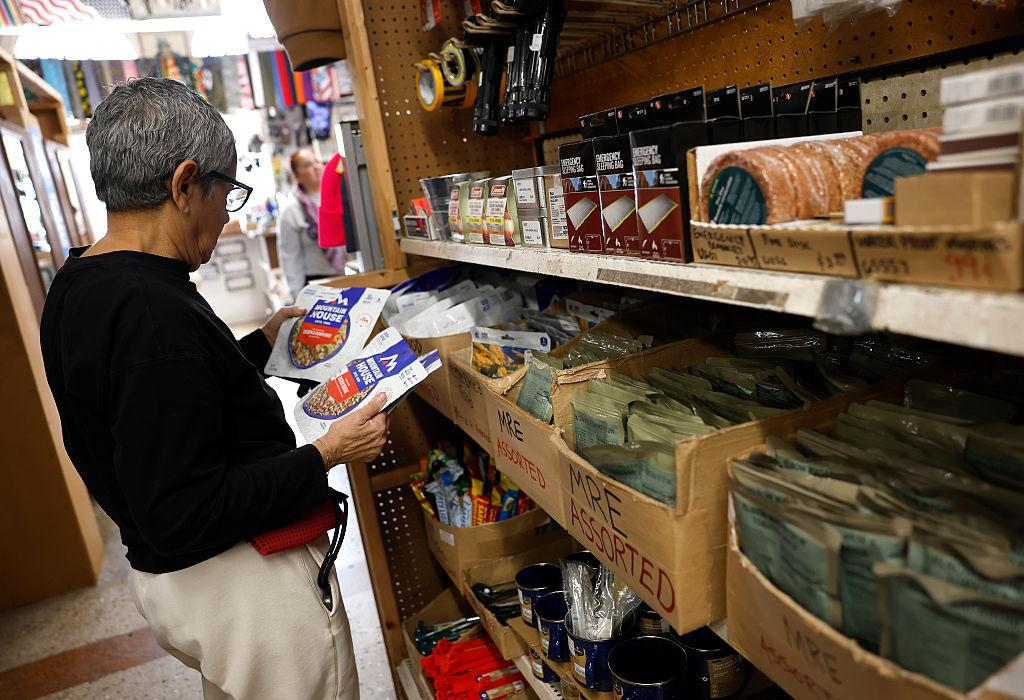
According to consumer transaction data from Consumer Edge analyzed for CNBC, spending at emergency preparedness brands increased approximately 400% year over year between November 12 and November 17, 2026.
The shopping surge coincided with at least six major technological disruptions across the United States.
World Online
Emergency preparedness spending
+400%
0150300450600Same period in 2025Nov. 12–17, 2026
Indexed illustration of the reported year-over-year spending increase at specialized emergency preparedness brands, not total U.S. retail spending.
The development suggests that emergency preparedness is attracting customers beyond the traditional survivalist community.
However, the data does not establish that most Americans are preparing for an imminent catastrophe.
2. A Wave of Technological Failures Has Rattled Americans
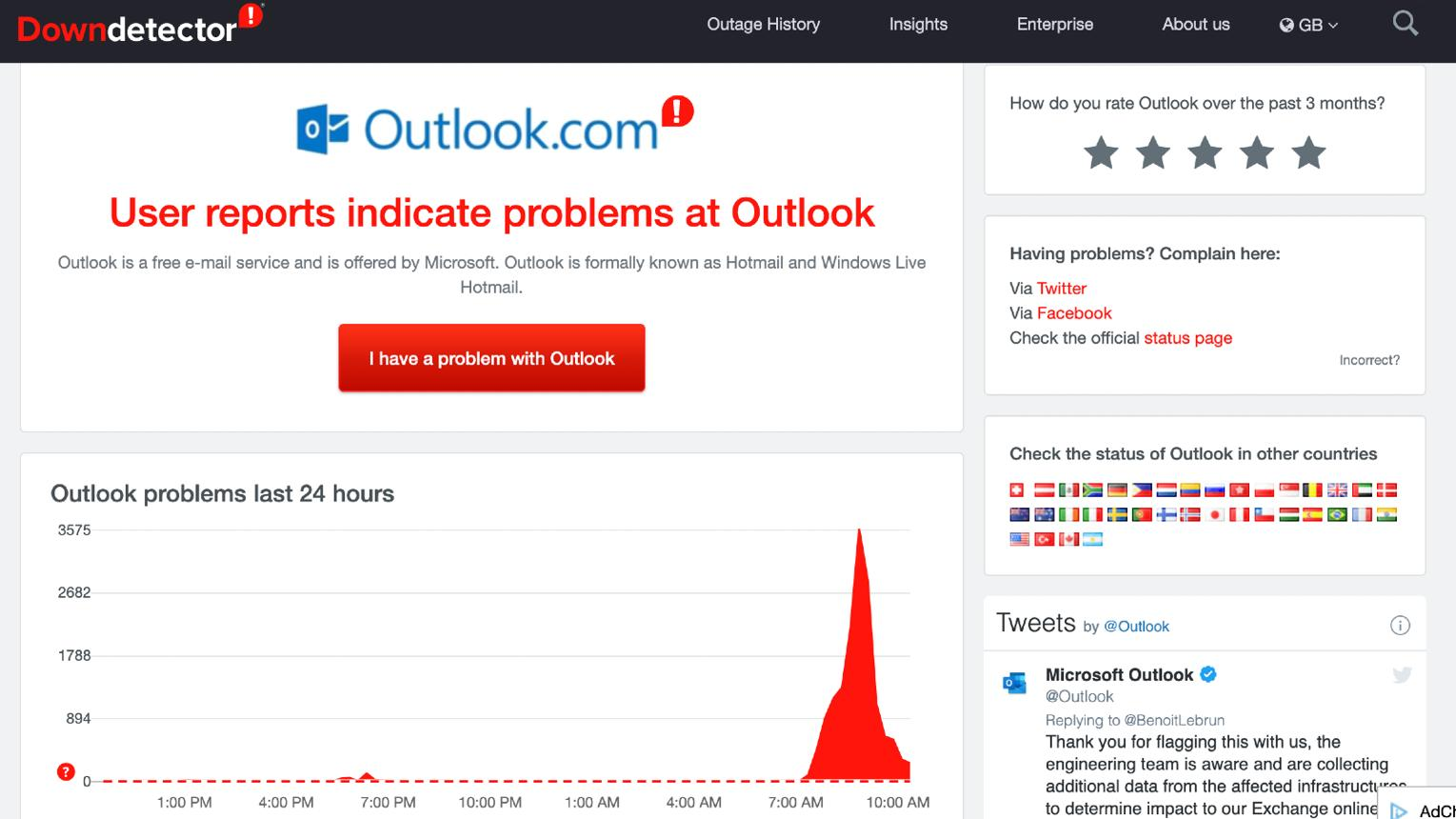
A succession of disruptions involving essential digital services has contributed to public anxiety.
|
Affected system |
Reported disruption
Microsoft
Email and productivity services interrupted
Federal Aviation Administration
Nationwide flight interruption
United Airlines
Operational systems experienced problems
Major U.S. banks
Temporary difficulties accessing banking services
Apple services
Electronic service disruptions
National Security Agency
Internal communications network outage
EL PAÍS English+1
The concentration of incidents within a short period prompted questions about the reliability of America's technological infrastructure.
Each disruption demonstrated how dependent businesses and households have become on complex digital systems.
Nevertheless, the timing of these incidents alone does not establish a common cause.
3. Major American Retailers Experience Rising Demand
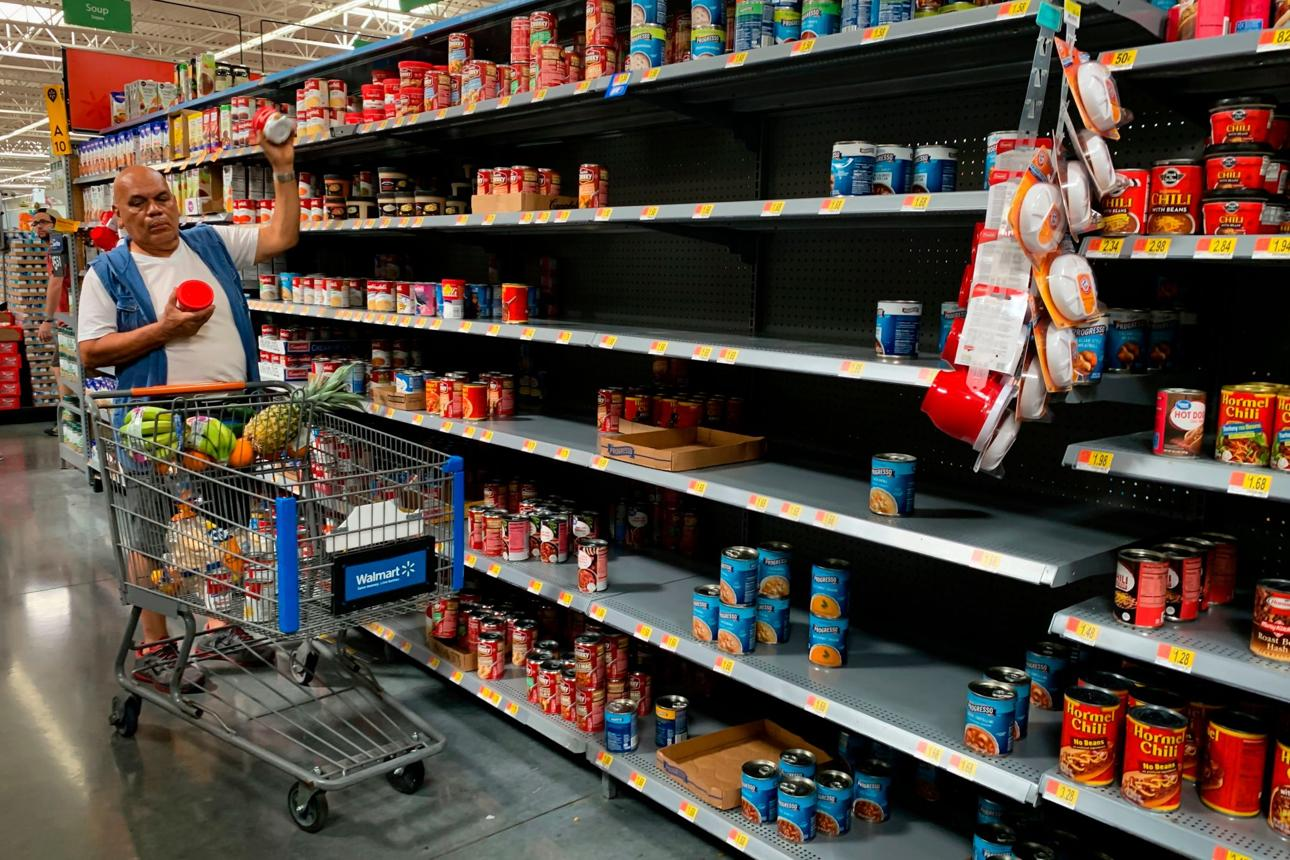
Major retailers are experiencing increased interest in preparedness-related products.
Reporting by CBS News, Bloomberg and other outlets has identified increased demand for emergency food, drinking water, portable generators and fuel supplies.
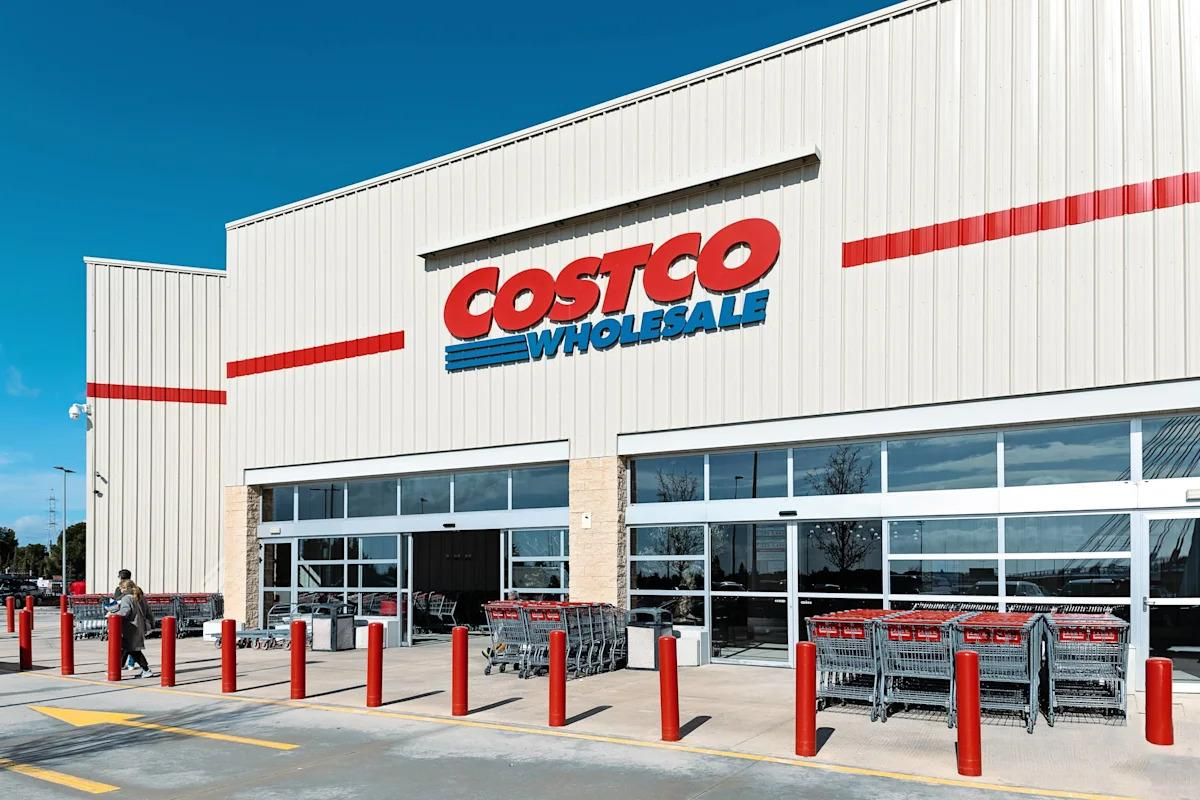
Costco
Increased demand for emergency pantry supplies and backup power equipment.
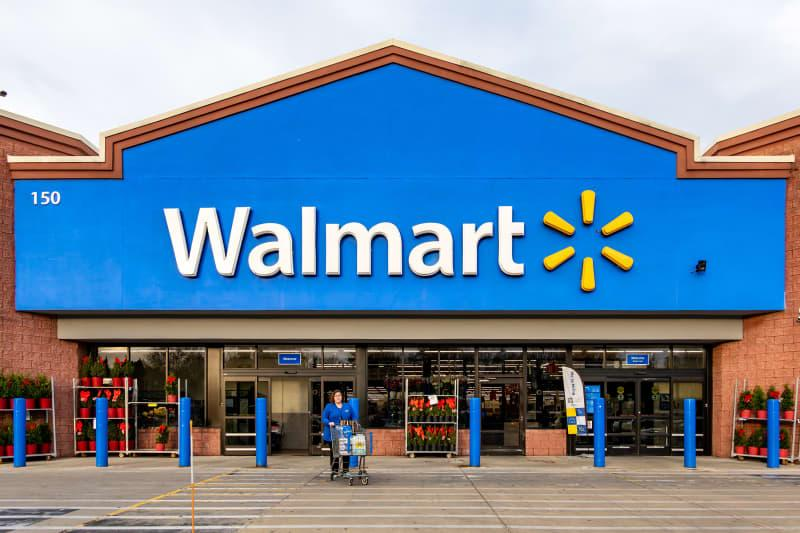
Walmart
Stronger purchases of water, nonperishable foods and camping equipment.
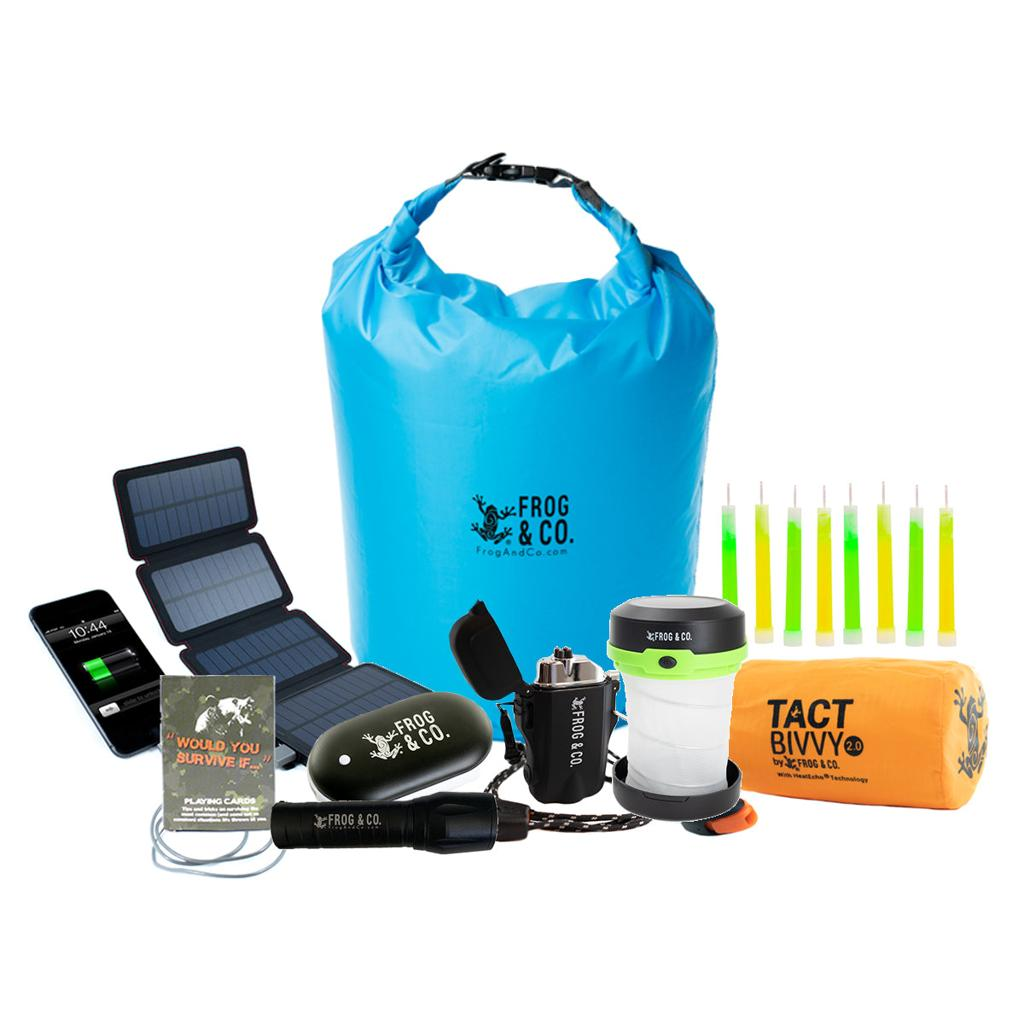
Survival Frog
+450% in sales
Reported increase from October 27 to November 16, compared with preceding weeks.
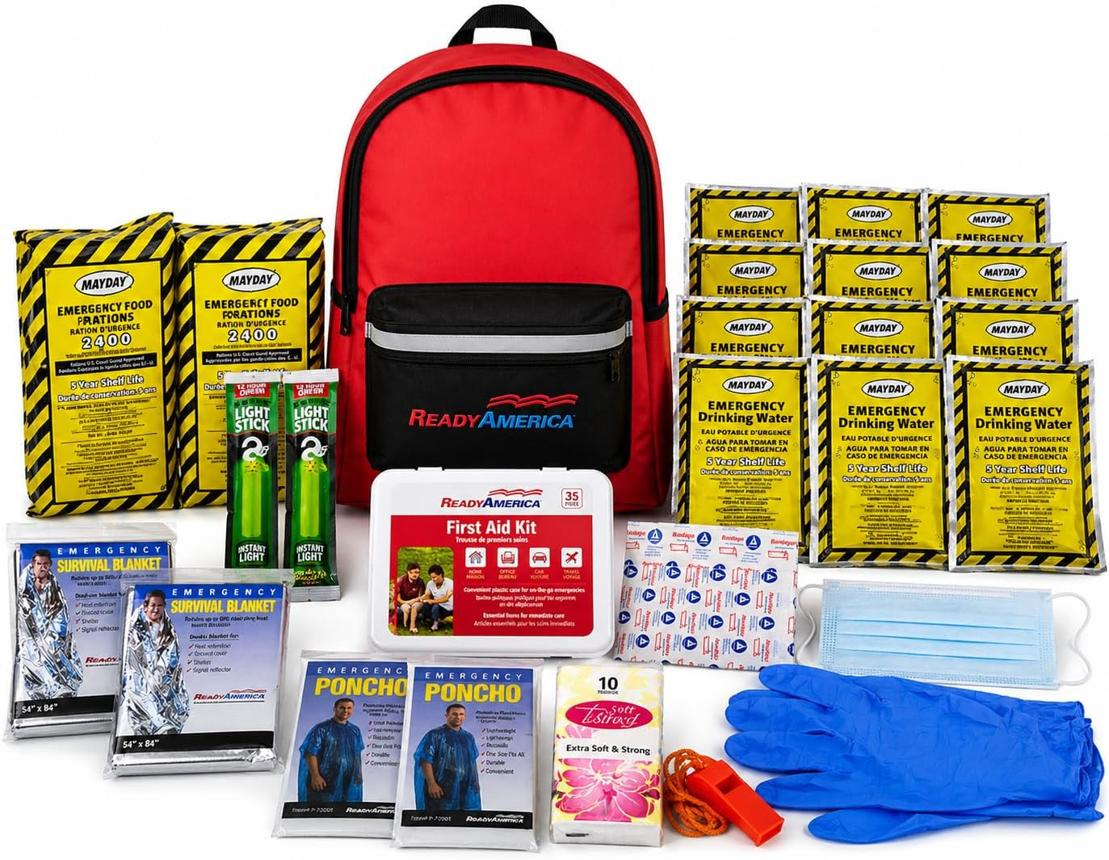
Ready America
Approximately 5×
Recent online sales levels compared with usual demand.
Sources: CBS News, Bloomberg, Axios and CNBC reporting. The companies' sales figures cover different measurement periods.
CBS News+3
The figures demonstrate substantial growth within particular segments of the preparedness industry, rather than a uniform nationwide shopping frenzy.
4. What Emergency Supplies Are Americans Buying?

Emergency food
Canned meals, dried foods and long-lasting pantry essentials.

Drinking water
Bottled water and water purification supplies.
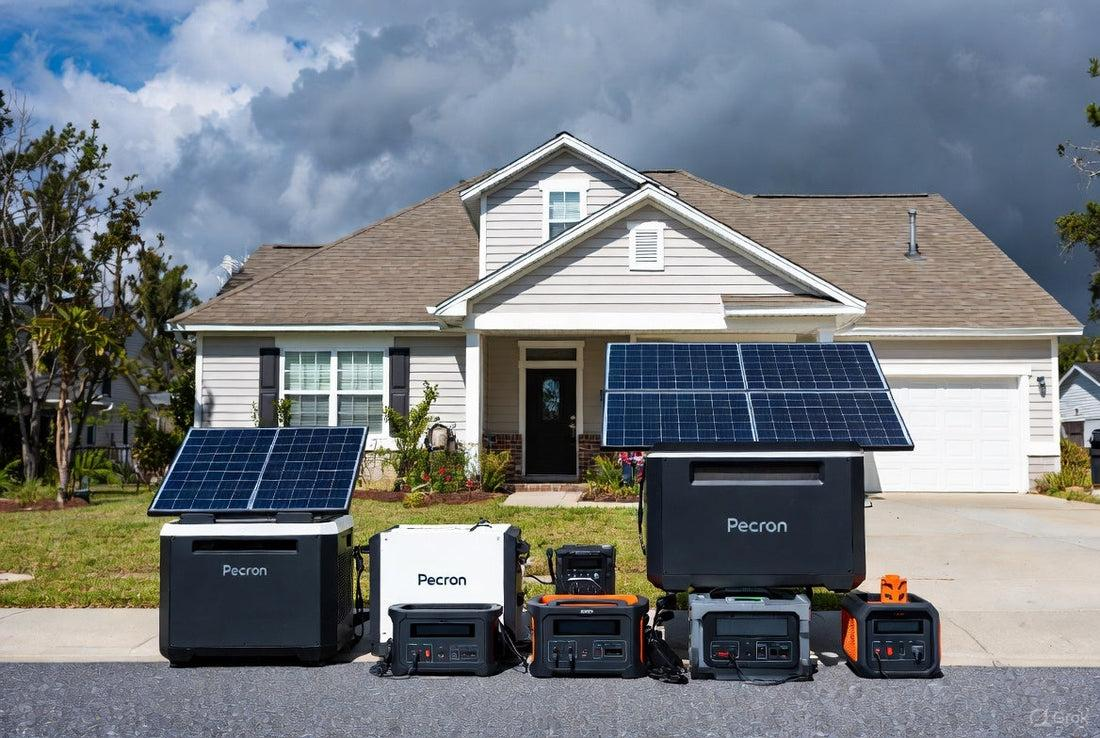
Backup electricity
Portable generators, batteries and charging stations.

Emergency communications
Battery-powered radios and flashlights.
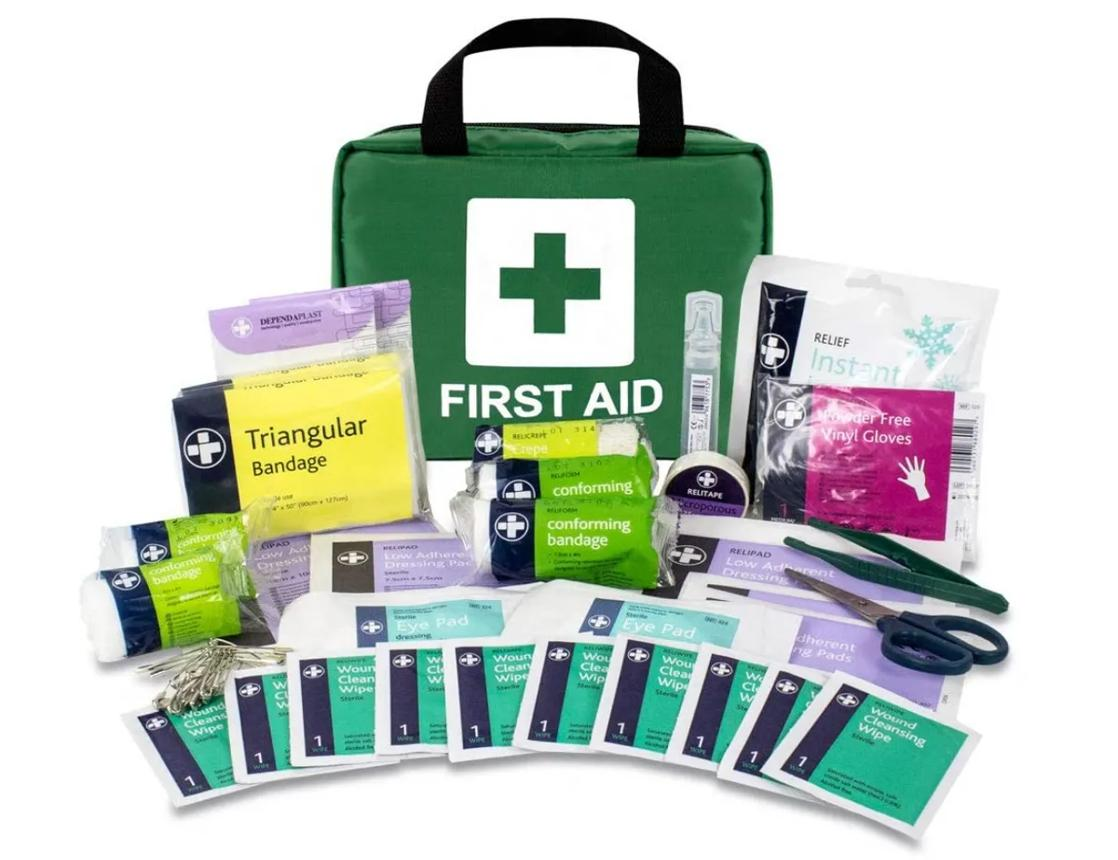
Medical supplies
First-aid equipment and essential medications.

Hygiene supplies
Cleaning products and personal sanitation essentials.
These products can be useful during ordinary emergencies, including severe weather, localized blackouts and temporary disruptions to public services.
Purchasing them does not necessarily indicate that consumers believe a catastrophic event is approaching.
5. Generator Demand Reveals Growing Concerns About Electricity
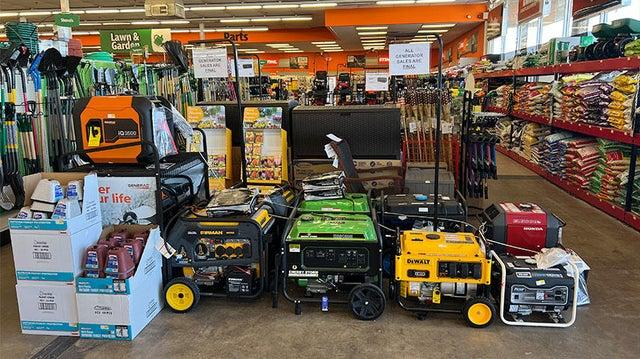
Backup electricity equipment has become a particularly prominent part of the preparedness trend.
A retail analysis from Mizuho Securities found that 21 of Costco's 26 most expensive generator products were unavailable online as of November 15.
The Washington Post
Availability among 26 high-priced generator listings
21 of 26
21 sold out
5 remaining
Approximately 81% of the selected listings were sold out. This does not represent the retailer's entire generator inventory.
Electricity is essential for refrigeration, heating, communications and many medical devices.
However, increased generator purchases are evidence of consumer concern, not evidence that a nationwide blackout is imminent.
6. Pentagon's 90-Day Readiness Plan Fuels Online Speculation
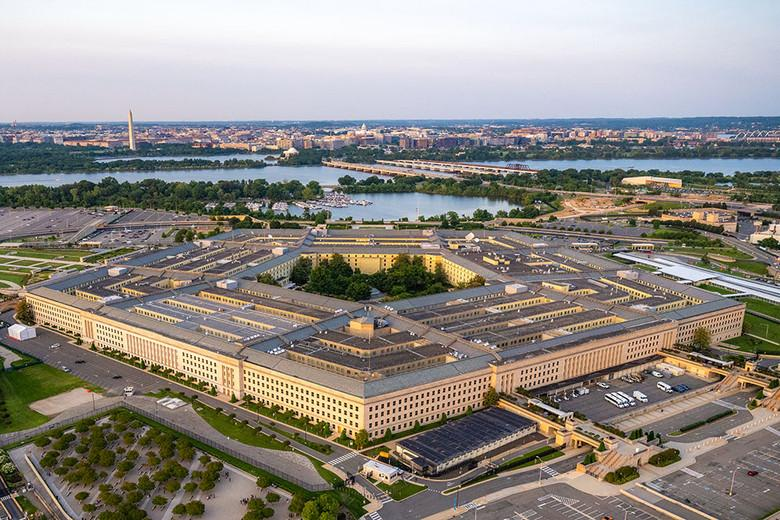
Reports concerning a Pentagon initiative to improve the ability of military installations to withstand extended interruptions to civilian infrastructure have also contributed to public discussion.
The initiative involves preparing military bases to remain operational for at least 90 days without certain external services.
Some social media posts have interpreted the plan as a warning that the government expects an extended nationwide blackout.
Axios+1
That interpretation is not supported by the available evidence.
Military infrastructure resilience planning is designed to improve operational continuity during potential emergencies.
Preparing military installations for prolonged infrastructure disruption does not mean the Pentagon has predicted a 90-day blackout across America.
7. Is Artificial Intelligence Behind the Technology Outages?
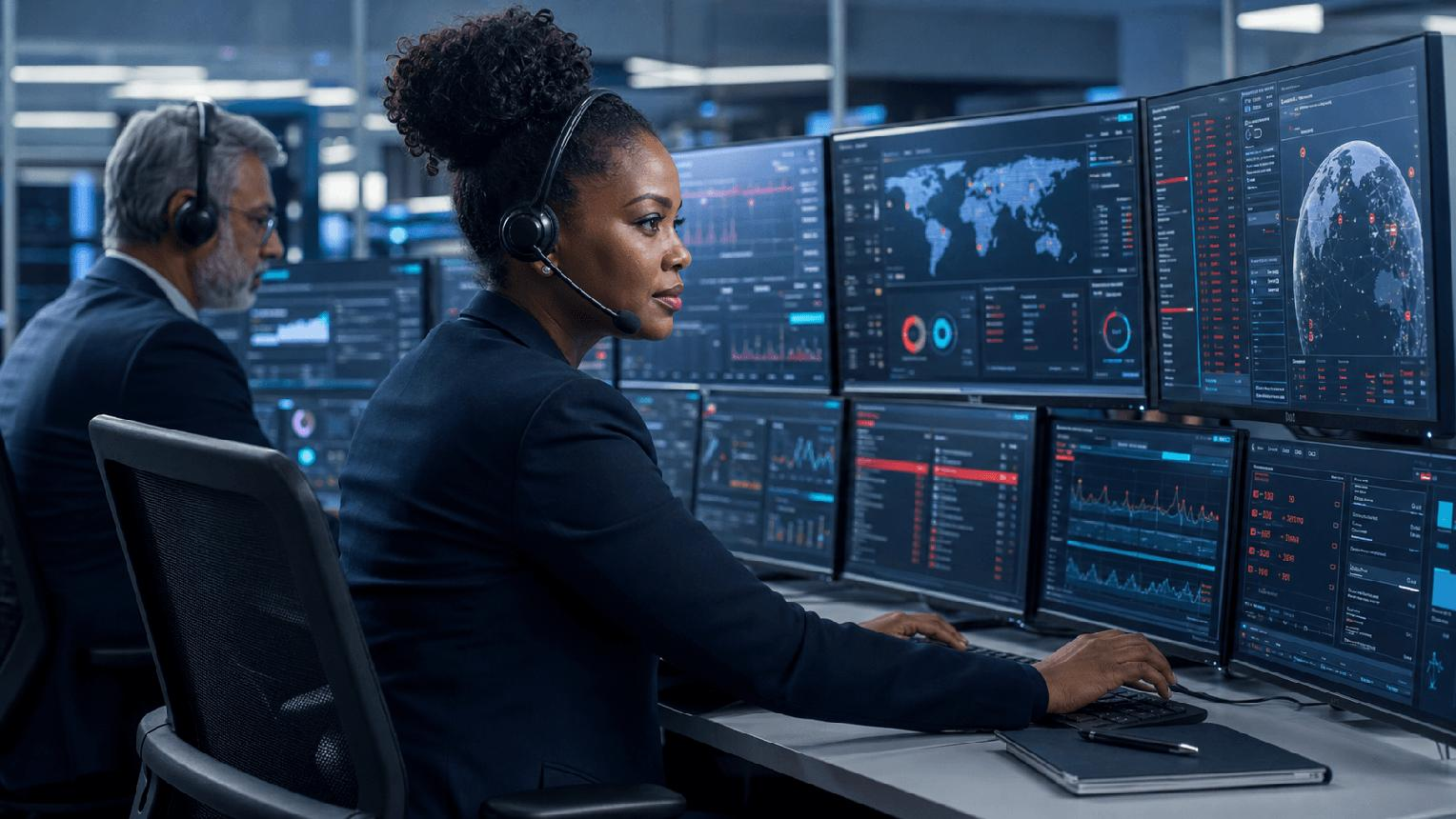
The growing use of artificial intelligence has introduced another dimension to public concerns.
Cybersecurity specialists have long warned that increasingly sophisticated technology can create new vulnerabilities.
At the same time, organizations use AI to identify security weaknesses, improve software and strengthen their defenses.
Former Cybersecurity and Infrastructure Security Agency director Chris Krebs has suggested that simultaneous technology modernization and software updates could help explain some of the recent disruptions.
EL PAÍS English
Several possible causes of technology outages include software defects, equipment failure, configuration mistakes and external cyber threats.
There is currently no established evidence that artificial intelligence launched a coordinated attack responsible for the recent series of outages.
8. The U.S. Government Denies a Coordinated Cyberattack
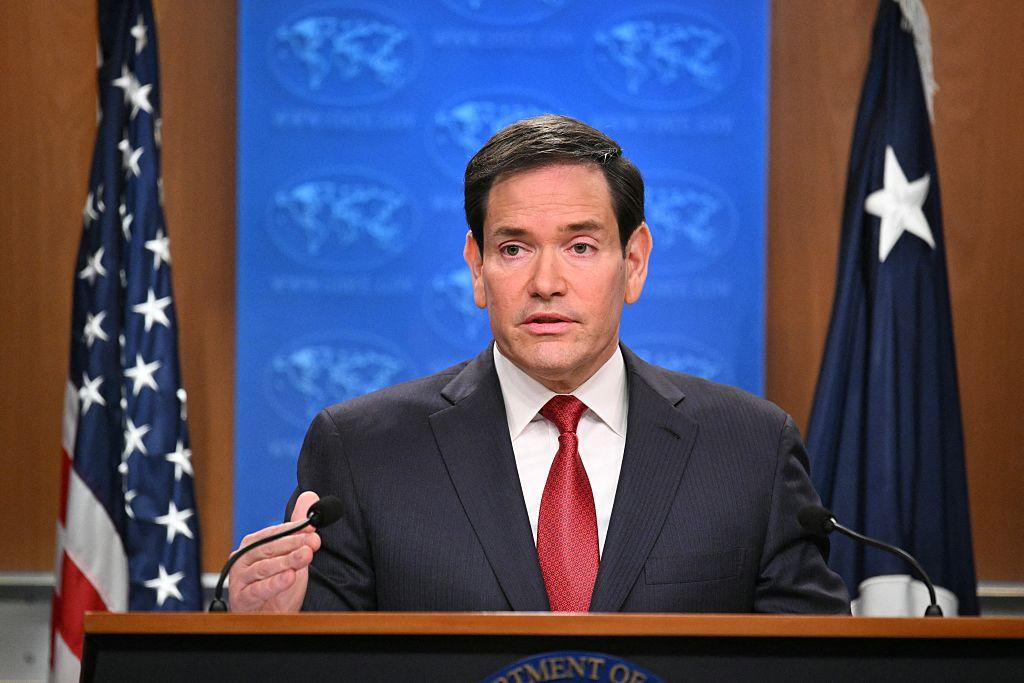
Secretary of State Marco Rubio has stated that federal officials have found no evidence connecting the recent disruptions or establishing that hostile actors were responsible for them.
EL PAÍS English
The distinction between confirmed events and speculation is particularly important.
|
Claim |
Available evidence
Multiple technology outages occurred
Confirmed
Specialized emergency supply spending increased approximately 400%
Supported by transaction data
All outages were connected
Not established
A coordinated foreign cyberattack occurred
No supporting evidence announced
America faces an imminent 90-day blackout
Unsubstantiated
The government has predicted the end of the world
Unsubstantiated
Although reliable cybersecurity remains a legitimate national concern, the recent incidents should not automatically be interpreted as evidence of a larger attack.
9. Emergency Preparedness Is Also Increasing Outside America
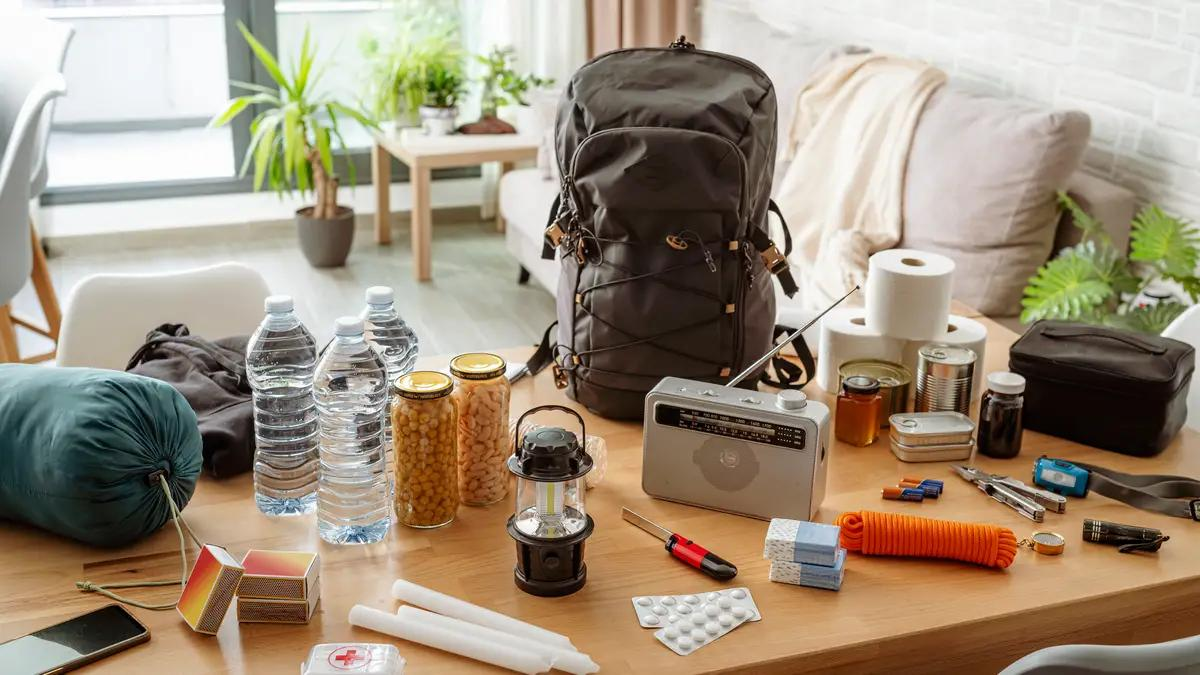
The United States is not alone in discussing the importance of household emergency preparedness.
Britain has promoted its emergency readiness campaign, while the European Union has encouraged households to remain self-sufficient for at least 72 hours during emergencies.
The Washington Post
These initiatives are intended to improve resilience against a broad range of potential disruptions, including severe weather, infrastructure failures and security incidents.
They should not be interpreted as evidence that governments have identified a specific impending global catastrophe.
10. Social Media Is Amplifying Doomsday Fears
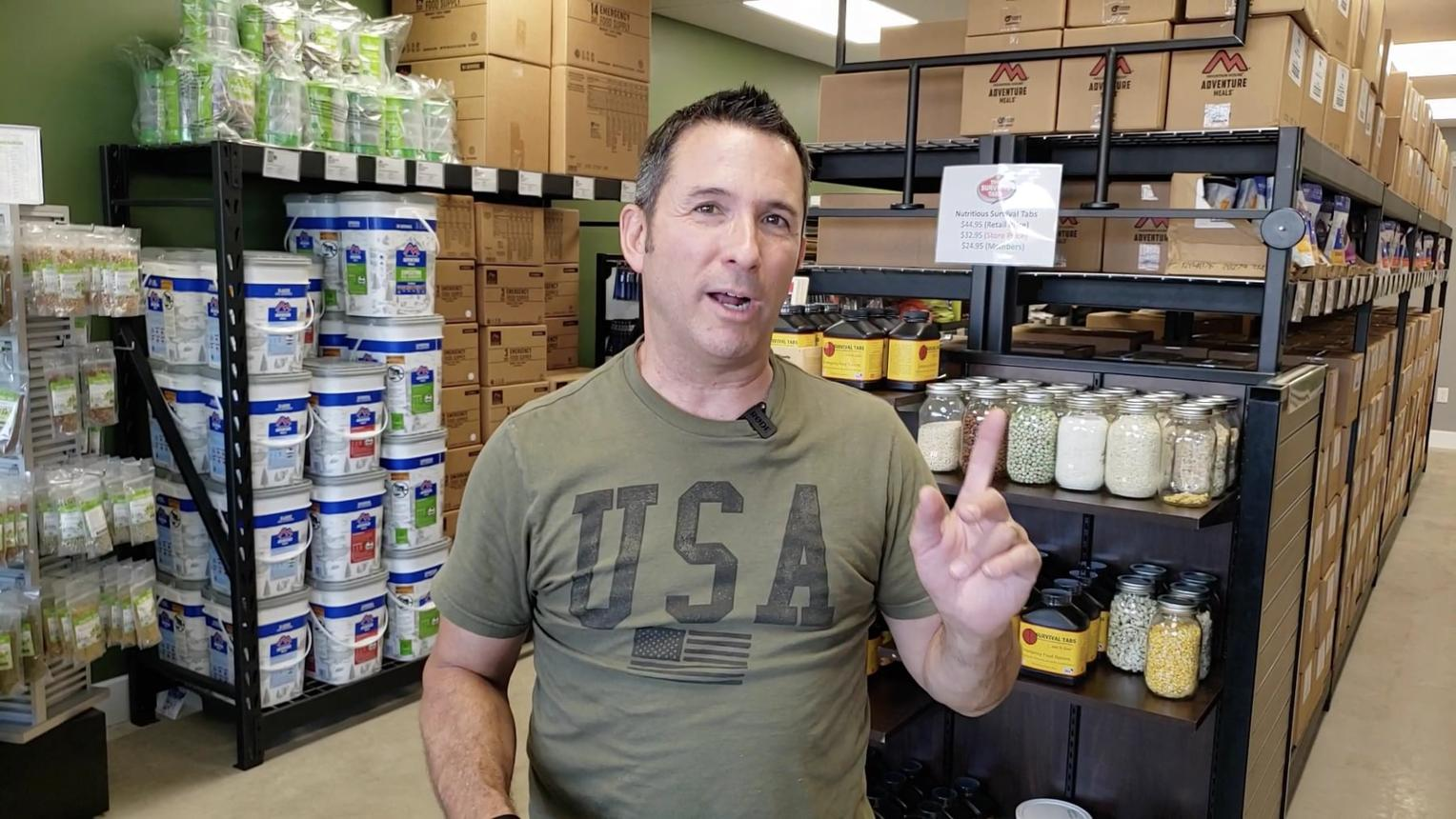
Social media has become a major channel through which emergency preparedness information and unverified rumors circulate.
Videos discussing electrical grid failures, cyberattacks, financial disruption and hypothetical societal collapse can attract significant public attention.
When genuine technological failures occur alongside alarming online predictions, some consumers may struggle to distinguish documented risks from speculation.
This can create a cycle of anxiety.
Illustrative model of how genuine disruptions and online speculation can influence consumer behavior.
The resulting demand can generate additional headlines, potentially reinforcing the original concerns.
11. How Should Ordinary Americans Prepare?
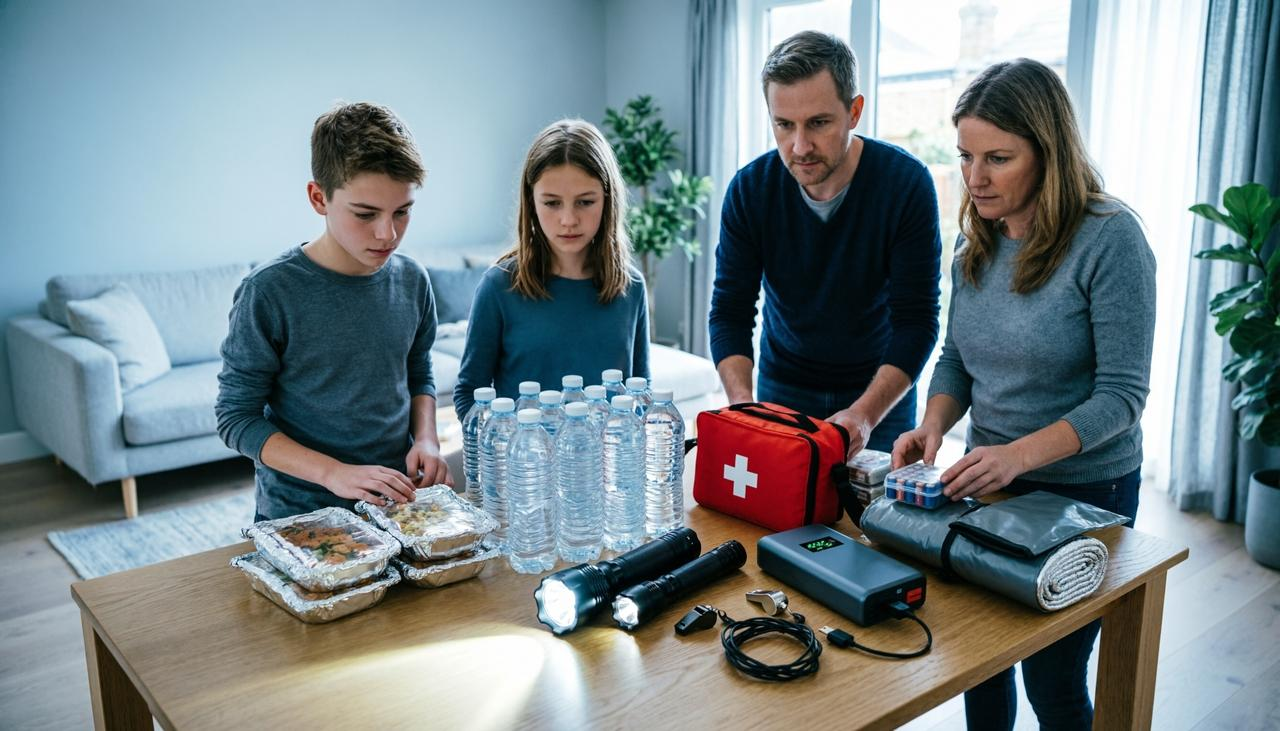
Emergency management experts generally encourage practical preparation rather than excessive stockpiling.
A modest household emergency kit can help families manage temporary interruptions without spending thousands of dollars.
Basic household emergency preparedness checklist
0 of 8 items prepared
0%
Drinking water — one gallon per person per day for at least three days
At least three days of nonperishable food
Flashlights and spare batteries
Battery-powered or hand-crank radio
First-aid kit and necessary medications
Charged portable phone battery
A modest amount of emergency cash
Copies of important documents and emergency contact numbers
Based on general federal emergency preparedness recommendations. Adjust supplies to individual household needs.
Households should avoid unnecessary purchases, excessive cash withdrawals and financial decisions based solely on unverified social media predictions.
Fuel-powered generators must always be operated outdoors, at least 20 feet from homes, with exhaust directed away from buildings.
12. Is America Preparing for Disaster or Responding to Uncertainty?

The dramatic increase in emergency preparedness spending reveals growing concerns about the reliability of modern infrastructure.
Americans depend on interconnected systems to communicate, travel, access money, purchase food and maintain their households.
Recent disruptions have exposed some of the vulnerabilities associated with that dependence.
However, there is a significant difference between recognizing infrastructure vulnerabilities and concluding that civilization is approaching collapse.
The 400% spending surge is a striking indicator of consumer anxiety. It is not proof that a nationwide disaster is approaching.
The larger challenge facing governments and technology companies is maintaining reliable essential services, communicating transparently during disruptions and strengthening public confidence.
For ordinary Americans, reasonable emergency preparedness can provide practical security without allowing unverified fears to dominate their lives.
AMERICA, WHAT DO YOU THINK? ARE THE RECENT TECHNOLOGY OUTAGES A WAKE-UP CALL ABOUT OUR DEPENDENCE ON DIGITAL INFRASTRUCTURE, OR IS SOCIAL MEDIA TURNING ORDINARY DISRUPTIONS INTO UNNECESSARY PANIC? SHARE YOUR OPINION IN THE COMMENTS BELOW!
Sources
Comments (0)
Loading comments...
May You Like

PACIFICA PIER IN CALIFORNIA COLLAPSE REVEALS MASSIVE CRACK BENEATH THE OCEANs!

AMERICA’S NEW-GENERATION AIRCRAFT CARRIERS — MILITARY MIGHT BUILT AT THE EXPENSE OF THE PEOPLE

IOWA MILITARY DISASTER: 5 TONS OF SUSPECTED BIOWEAPON WASTE LEAK—301+ HOSPITALIZED, 20 CRITICAL!










Popular Posts


