
U.S. USED EXPIRED WEAPONS TO STRIKE IRAN — MILITARY GENIUS OR A SHRINKING ARSENAL?
AMERICA USED ‘EXPIRED’ WEAPONS TO STRIKE IRAN — MILITARY GENIUS OR A WARNING SIGN OF A SHRINKING U.S. ARSENAL?
WASHINGTON, D.C., UNITED STATES — NOVEMBER 19, 2026

Why would the world's most powerful military use weapons that have already passed their expiration dates?
Acting U.S. Navy Secretary Hung Cao has reportedly revealed that the American military repurposed older, expired munitions for combat operations against Iran.
The revelation raises important questions about America's military readiness, weapons stockpiles and ability to sustain a prolonged conflict.
Was Washington simply finding an ingenious way to turn aging military equipment into useful firepower? Or could the decision expose growing pressure on America's ammunition reserves?
The difference between resourcefulness and military desperation could have enormous implications for American national security.
Hung Cao Drops a Bombshell During Senate Confirmation Hearing

On November 17, Acting Navy Secretary Hung Cao appeared before the Senate Armed Services Committee as lawmakers questioned America's military readiness and the sustainability of its operations against Iran.
During the hearing, Cao disclosed that the Navy had returned previously unserviceable weapons to combat use during Operation Epic Fury.
“For some of these munitions, we recoded them. And so we're able to shoot off the expired munitions.”
The retired Navy captain even compared the practice to making stale bread edible again.
His unusual analogy attracted considerable attention, particularly as lawmakers raised concerns about the depletion of America's precision weapons.
AP News+1
Expired Weapons on the Battlefield: What Does That Actually Mean?
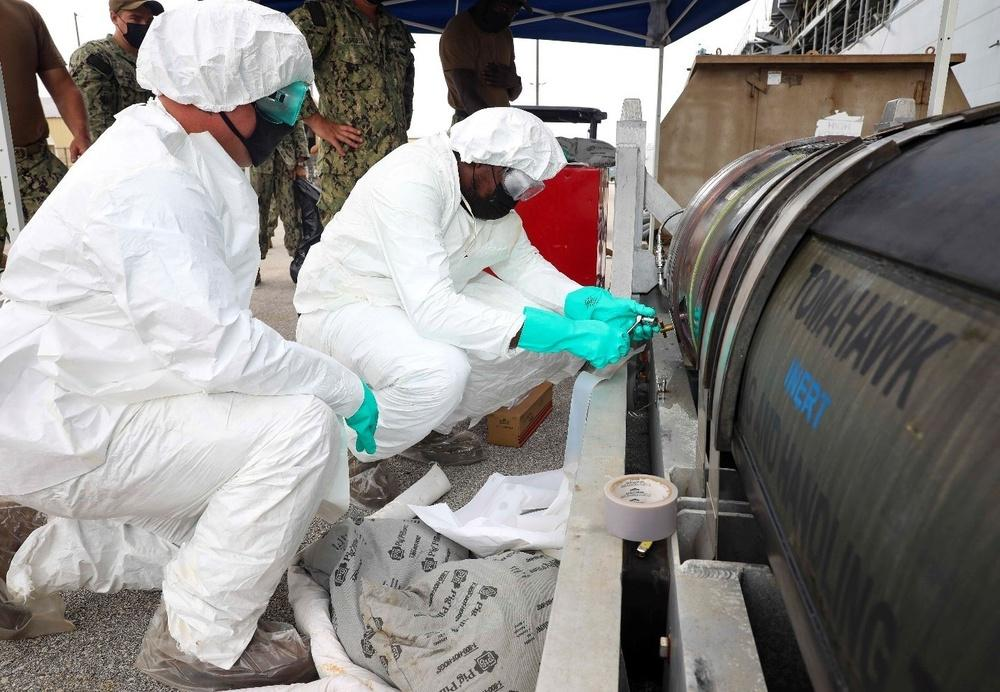
The word “expired” may suggest that a weapon is completely unusable.
However, military ammunition classifications are more complicated.
The weapons discussed by Cao had previously been assigned two condition codes:
|
Classification |
Meaning
Code Echo (E)
Unserviceable equipment requiring limited restoration
Code Foxtrot (F)
Unserviceable equipment requiring repair or overhaul
These classifications do not necessarily mean that the weapons must be permanently discarded.
Military Times
Returning older ammunition to service could help conserve newer weapons and reduce unnecessary waste.
However, Cao did not publicly explain the specific inspection, repair or testing procedures undertaken before the weapons were deployed.
Restoring an aging weapon is one thing. Establishing that it is safe and reliable enough for combat is another.
America Burns Through Hundreds of Tomahawk Missiles
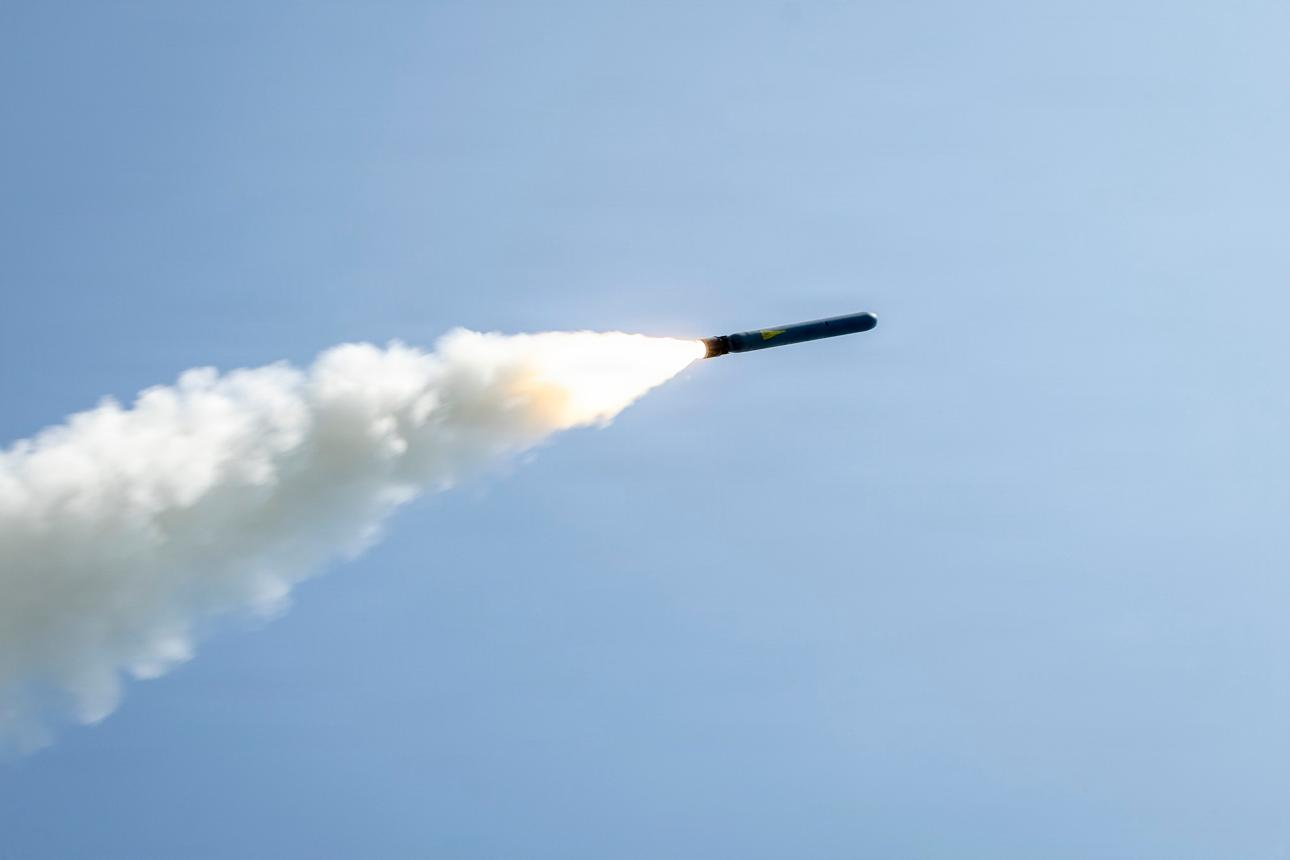
The revelation comes amid mounting concerns over America's consumption of precision-guided weapons.
According to reporting from The Washington Post and estimates from the Center for Strategic and International Studies, U.S. forces expended hundreds of Tomahawk cruise missiles during the opening stages of the war against Iran.
First four weeks of combat
850+
Tomahawk missiles reportedly fired
April 2026 assessment
1,000+
Estimated missiles expended
moneycontrol.com
Those figures illustrate the extraordinary demands that sustained military operations can place on ammunition reserves.
Some media reports have identified Tomahawks among the restored weapons. However, Cao himself did not publicly specify the types or quantities of expired munitions used.
Can America's Defense Industry Keep Up?
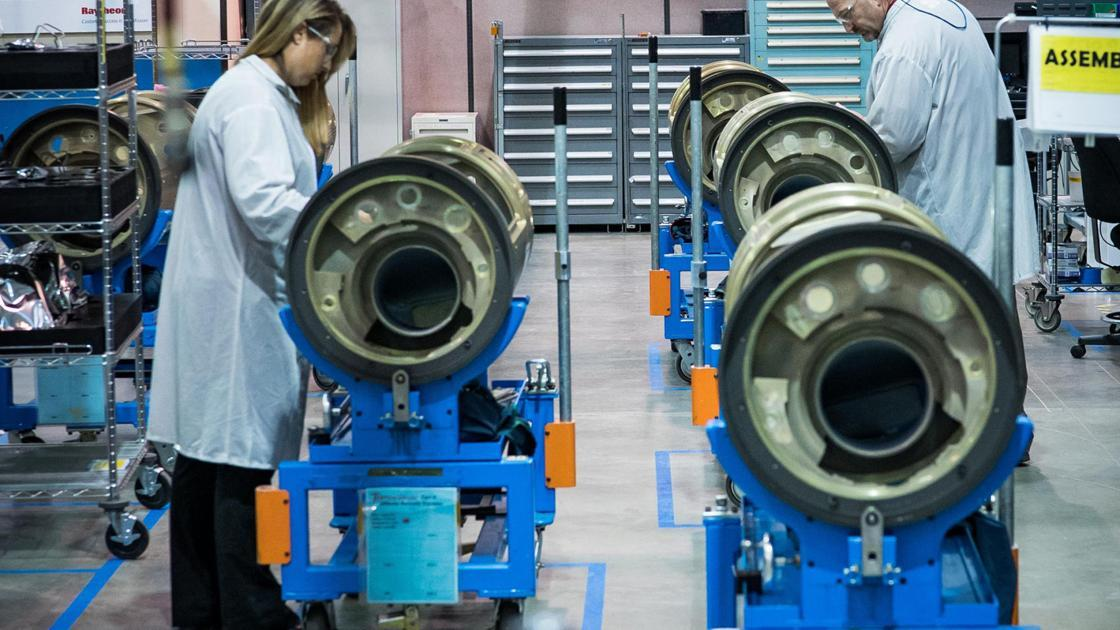
During his Senate testimony, Cao highlighted efforts to dramatically increase missile production.
Tomahawk annual production comparison
Earlier production cited by Cao
125
Annualized rate cited at hearing
720+
5.76×
Implied increase based on Cao's figures. The annualized rate is not an independently verified annual delivery total.
Cao told senators that production had increased from approximately 125 Tomahawks annually during his military career to more than 60 per month.
AP News
Expanding manufacturing capacity, however, does not immediately replenish weapons already consumed on the battlefield.
Missile production requires specialized components, skilled workers, extensive testing and reliable supply chains.
America's military challenge is not simply how many missiles it can launch today — but how quickly it can replace them tomorrow.
Military Genius or a Dangerous Gamble?
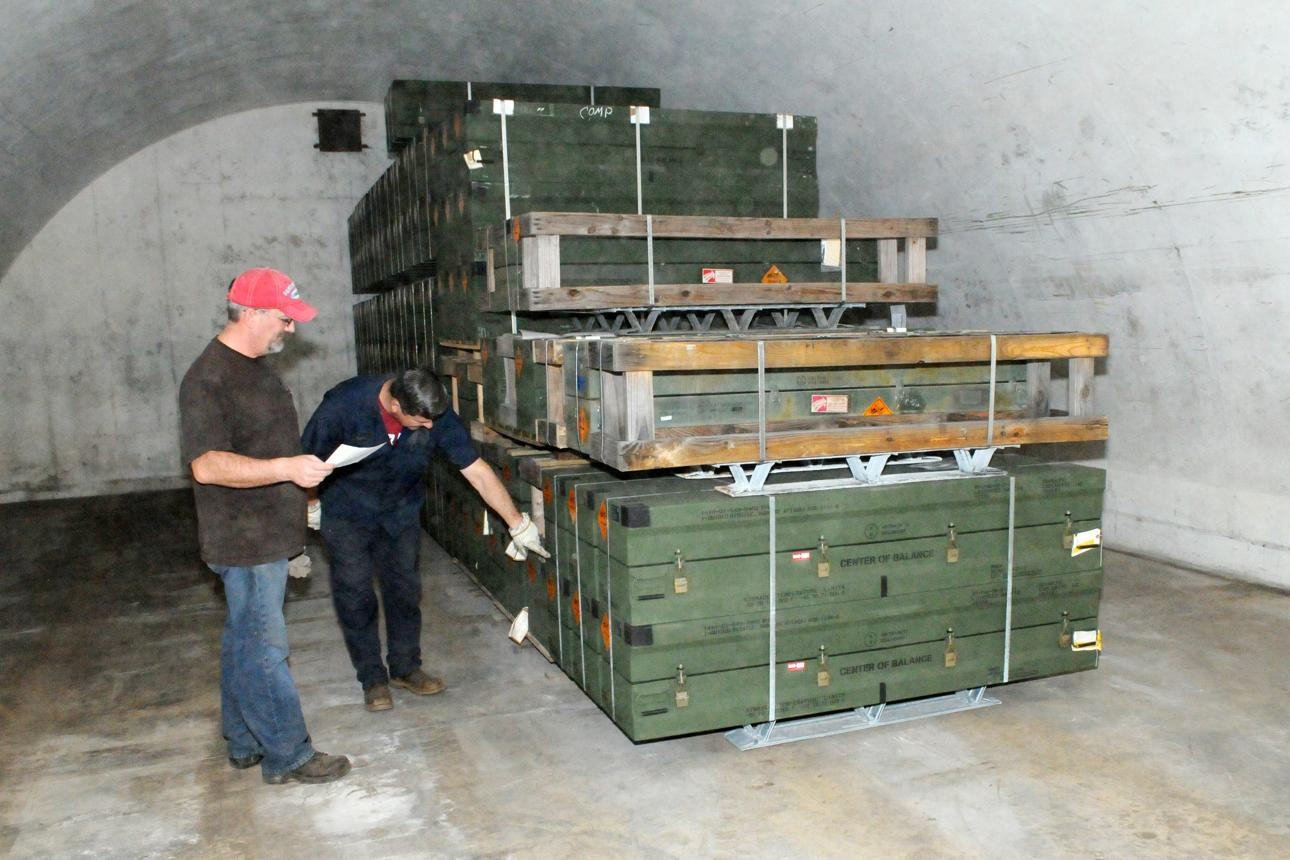
Reusing older weapons could represent a financially responsible military strategy, provided that the weapons meet appropriate safety and performance requirements.
However, relying on ammunition previously classified as unserviceable also raises legitimate concerns.
|
Potential advantages |
Potential risks
Conserves newer ammunition
Reduced reliability if improperly restored
Reduces unnecessary waste
Potential mechanical deterioration
Increases usable inventory
Additional inspection and maintenance costs
Helps manage wartime demand
Could indicate pressure on weapons reserves
The fundamental issue is whether the weapons were properly restored and evaluated.
Without access to the Navy's technical assessments, it is impossible to determine whether the decision compromised operational reliability.
America's Arsenal Is Under Pressure — But Is It Running Out?
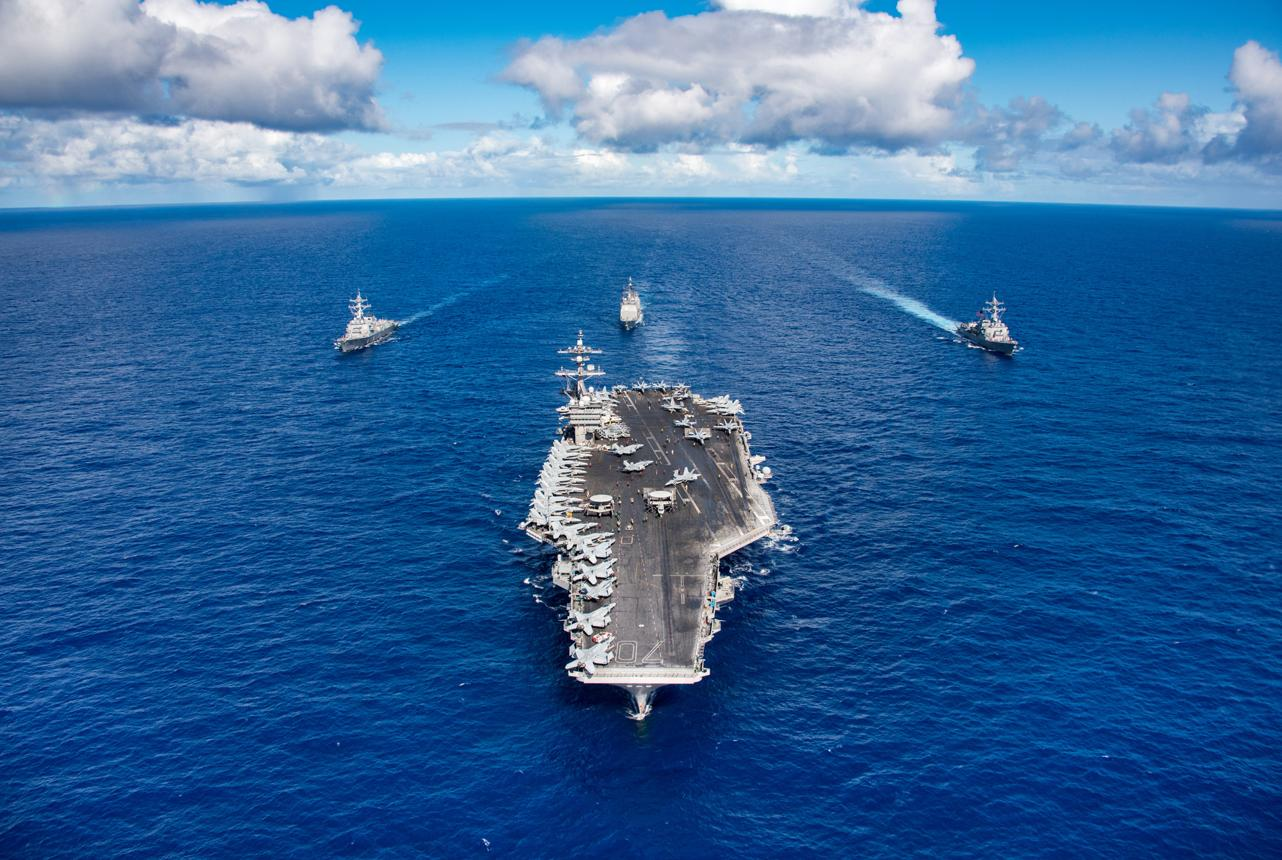
A September Pentagon inspector general report reportedly warned that wartime weapons consumption had created shortages in strategic inventories and exposed weaknesses in America's defense manufacturing capacity.
Business Insider
That concern extends far beyond the confrontation with Iran.
Washington must also maintain sufficient military capabilities to address potential crises involving China, Russia and North Korea.
A prolonged conflict in the Middle East could place greater demands on resources needed elsewhere.
However, declining inventories of particular weapons should not be confused with the exhaustion of America's entire military arsenal.
The United States retains substantial conventional military capabilities.
The concern is not that America has suddenly become militarily powerless. It is whether the Pentagon can sustain multiple strategic commitments without dangerously stretching its resources.
A $22.9 Billion Push to Rebuild America's Firepower
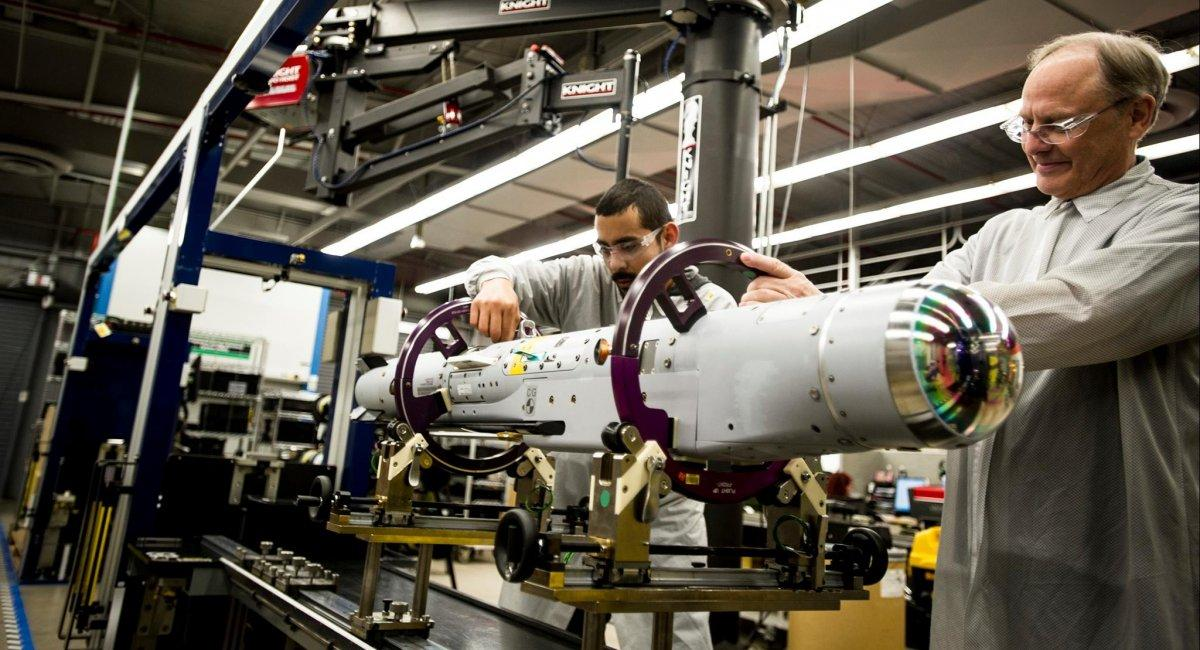
Washington is already taking steps to expand its weapons manufacturing capacity.
In August, the U.S. military awarded Raytheon a seven-year contract worth $22.9 billion intended to support increased Tomahawk production.
The Pentagon had also requested $3 billion to replenish its Tomahawk inventory as part of its fiscal 2027 budget proposal.
Military Times
These investments illustrate the enormous financial demands of sustained military preparedness.
For American taxpayers, replacing weapons consumed in combat could become a significant long-term expense.
Has Iran Exposed a Weakness in America's Military Strategy?
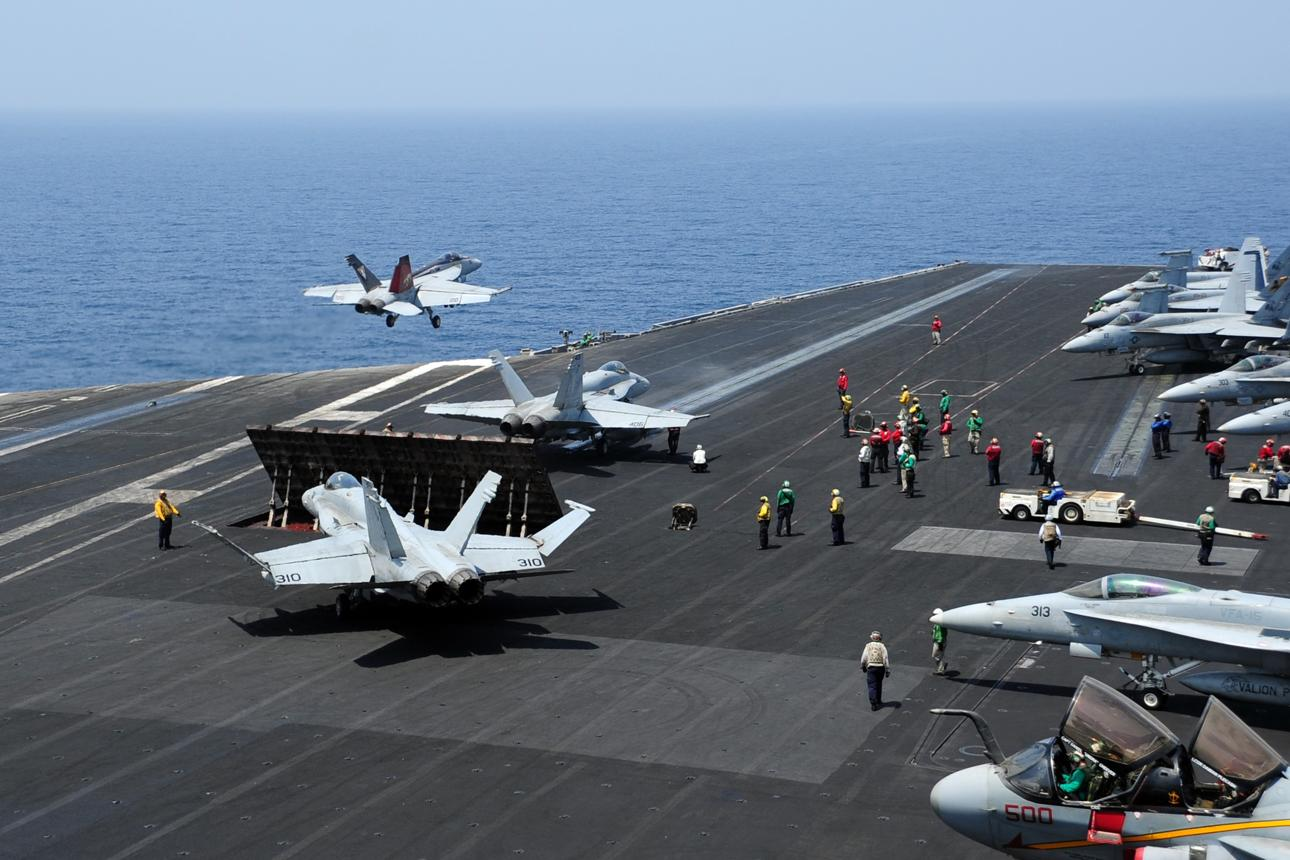
The war against Iran has highlighted a growing challenge in modern warfare: the imbalance between the cost of advanced precision weapons and the cost of relatively inexpensive military threats.
A prolonged confrontation can force even technologically superior militaries to expend valuable ammunition at unsustainable rates.
That does not mean Iran has achieved military superiority over the United States.
It does mean that economic endurance, manufacturing capacity and logistical efficiency can influence the outcome of a prolonged conflict.
Winning individual battles and sustaining an entire war are two very different challenges.
Trump's Next Challenge: Protecting America's Military Readiness
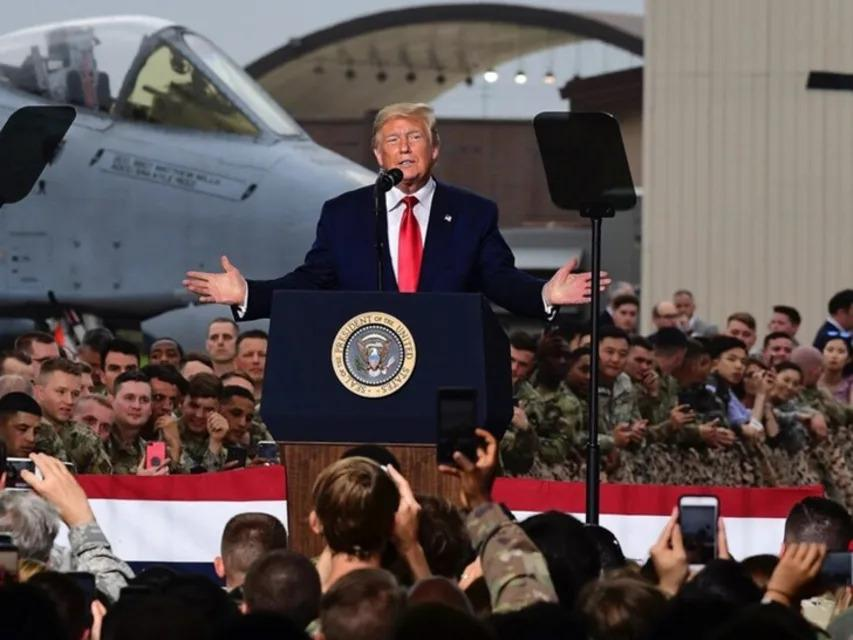
For President Donald Trump, the revelation presents a difficult strategic dilemma.
Continuing military pressure against Iran requires a reliable supply of weapons, sufficient funding and adequate support for American military personnel.
Reducing military operations could help preserve ammunition reserves, while accelerating weapons production could strengthen America's long-term readiness.
Neither option comes without political, financial or strategic consequences.
The administration must determine how to maintain pressure on Tehran without unnecessarily weakening America's ability to respond to other international threats.
Expired Weapons: Brilliant Resourcefulness or a National Security Warning?
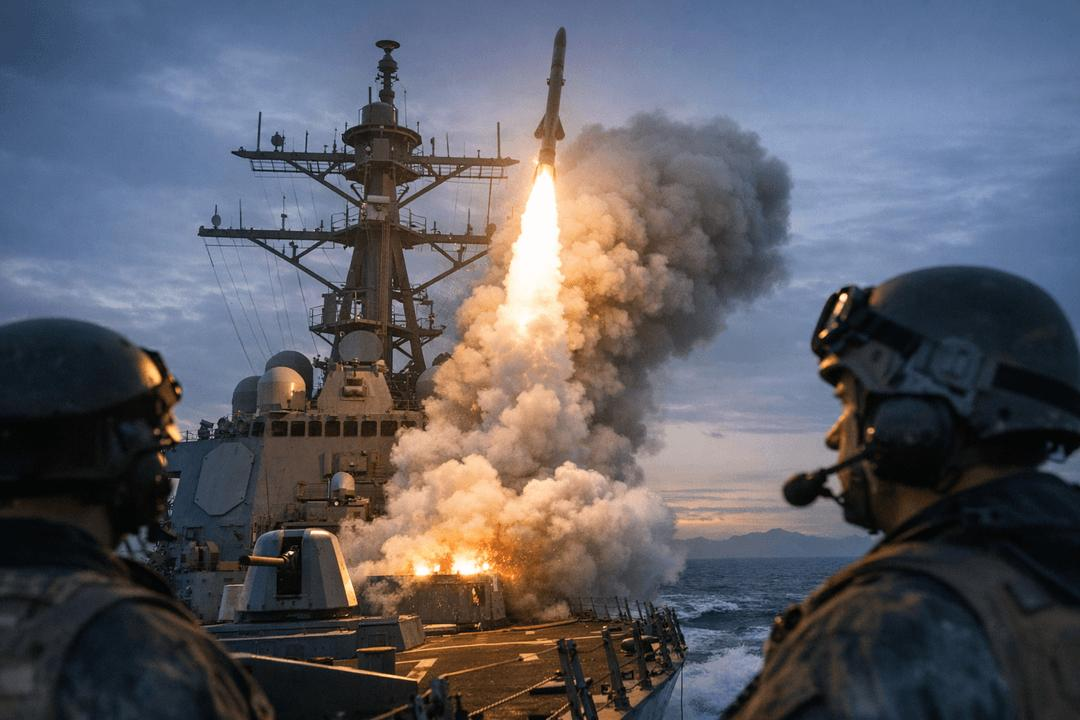
America has returned previously unserviceable weapons to combat duty.
Its defense industry is working to increase missile production.
And lawmakers are demanding answers about the sustainability of the war against Iran.
Hung Cao's revelation does not prove that America's military arsenal is exhausted. But it underscores the enormous logistical and industrial demands of prolonged warfare.
The ultimate measure of America's military strength may not be how many missiles it can fire in a single night — but how long it can sustain that firepower without compromising its future security.
Was Hung Cao's strategy a brilliant example of American ingenuity and resourcefulness?
Or is the use of expired ammunition a warning that Washington is consuming weapons faster than its defense industry can replace them?
AMERICA, WHAT DO YOU THINK? SHARE YOUR OPINION IN THE COMMENTS BELOW!
Comments (0)
Loading comments...
May You Like

BANGCHAK REFINERY IN THAILAND SHUT DOWN, U.S. OIL PRICES JUMP 10%!

WARNING: OVER 1 MILLION COULD LOSE POWER AND NEARLY 2 MILLION FACE WATER ALERTS ON THANKSGIVING!

$1 BILLION DISASTER AT BANGCHAK REFINERY, THAILAND—40 BURNED, 8 AMERICANS DEAD!










Popular Posts


