USPS Finalizes New Mail-In Ballot Rules as Trump Administration Faces Legal Battle Over 2026 Elections
The U.S. Postal Service has finalized new rules governing the handling of mail-in and absentee ballots for federal elections, introducing new requirements for ballot envelopes, barcodes and voter information that could significantly change how states use the postal system during the 2026 midterm elections.
The rule, published in the Federal Register on August 26, was made effective August 21. It was developed in response to President Donald Trump's March executive order seeking tighter controls over mail-in voting and election-related citizenship verification.
However, despite the USPS formally finalizing the regulation, the rule is not currently being implemented for the 2026 election because federal courts have issued injunctions blocking the Postal Service from putting the new system into operation. On September 10, a federal appeals court upheld that block, leaving the final outcome to continued litigation, including proceedings before the Supreme Court.
What the New USPS Rule Would Require
At the center of the new policy is a system called the Federal Ballot Mail Portal.
Under the final rule, states using USPS to send federal mail-in ballots would have to comply with standardized envelope-design requirements and use unique Intelligent Mail barcodes. State and local election officials would also have to submit information about voters receiving mail ballots through the USPS portal.
USPS says the system is intended to allow the agency to verify that ballot mail corresponds with information supplied by state election officials.
Postmaster General David Steiner has defended the changes, saying the rule has two principal components: standardized envelope designs and unique barcodes, along with state-provided lists identifying people who are being sent ballots. USPS says it will use those lists as a mailing manifest rather than independently determining who is eligible to vote.
The Postal Service also says it will not open ballots, inspect their contents, determine how someone voted or decide who is eligible to vote. Those responsibilities remain with state election authorities.
A Major Change in the Postal Service's Role
The new rule nevertheless represents a significant shift from previous USPS practice.
Historically, the Postal Service provided guidance and recommendations to election officials about ballot design, tracking and mailing procedures. Under the new rule, however, compliance with certain federal ballot-mail standards would become a condition for using USPS to deliver covered federal ballots.
If an election authority failed to obtain approval for its envelope design, failed to submit required information or failed to use the required barcode system, USPS could refuse to send the affected ballots to voters.
That provision has become one of the most controversial elements of the rule.
Trump Administration Says the Rules Will Protect Election Integrity
The policy stems from Trump's March 31 executive order, which called for stronger federal measures surrounding mail voting and citizenship verification.
The administration argues that standardized ballot envelopes, unique identifiers and verification procedures can help ensure that ballots are sent only to voters who are supposed to receive them.
USPS has similarly argued that the rule improves ballot processing and strengthens election integrity while relying on information supplied by the states themselves.
The Postal Service also points out that many of the envelope and barcode practices included in the rule have previously been recommended by USPS and are already used by states.
Critics Warn of Voter Disenfranchisement
Voting-rights groups and Democratic-led states have challenged the policy in federal court, arguing that the administration is attempting to impose federal election procedures without sufficient authority from Congress.
Critics have also raised practical concerns about implementing a new nationwide system only weeks before the November 3 midterm elections.
The legal challenges intensified after USPS finalized the rule. A federal judge in Massachusetts ruled that the Postal Service could not implement the new requirements while the injunction remained in place. The court noted that the new system would require states to obtain USPS approval of ballot envelopes and upload voter information before ballots could be mailed.
On September 10, the First U.S. Circuit Court of Appeals upheld the injunction, dealing another setback to the administration's effort to put the new restrictions into effect before the midterms.
The Supreme Court Could Have the Final Say
The legal fight has already reached the Supreme Court.
In August, the Supreme Court lifted one earlier injunction in a related case, allowing the administration to continue pursuing its policy while leaving the underlying constitutional questions unresolved. Separate litigation over USPS's implementation remained active.
The result is an unusual situation: the USPS rule exists on paper, but its practical application to the 2026 election remains blocked by court orders.
USPS itself acknowledged in the final rule that it would not take steps to implement the new requirements for the 2026 election unless the government obtained relief from the injunctions in time.
What It Means for Voters
For now, voters should not assume that the new USPS requirements automatically change their state's mail-voting rules.
States continue to determine who is eligible to vote by mail and establish their own ballot-return deadlines. USPS also continues to recommend that voters mail completed ballots well before Election Day because processing and postmark timing can vary.
The USPS says voters who want to ensure that their ballot receives a postmark on the day it is mailed can request a free manual postmark at a Post Office retail counter.
The Bottom Line
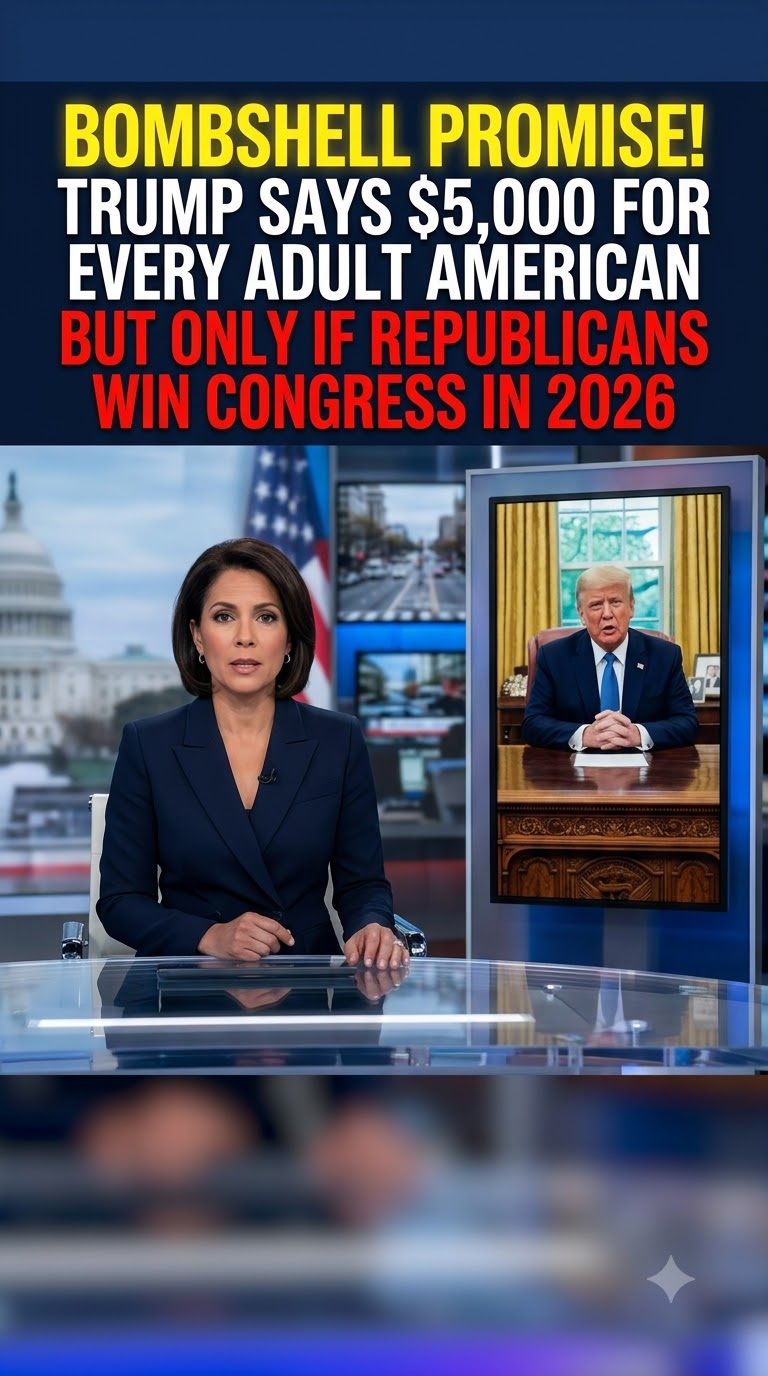
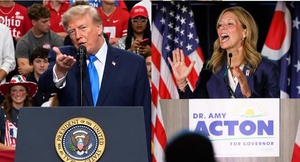
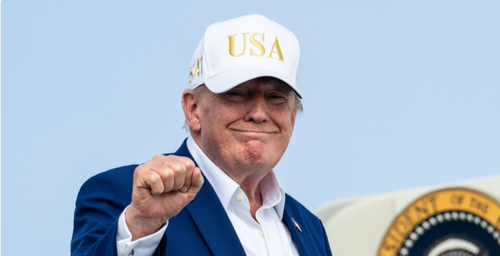
The headline in the image is essentially correct that USPS finalized a new rule concerning mail-in ballots, but the situation is more complicated than the headline suggests.
The rule creates new federal standards for ballot envelopes, barcodes and state-submitted voter information. Supporters say the changes strengthen election security and improve ballot tracking. Critics argue that they could interfere with state control of elections and create significant logistical risks.
Most importantly, the rule is currently tied up in litigation and is blocked from implementation for the 2026 midterm elections unless the courts allow it to proceed.
Comments (0)
Loading comments...
May You Like
Barack Obama Draws Attention With New Literary Podcast