
VANCE AND OIL TRADER FACE QUESTIONS OVER MONTANA ENCOUNTER BEFORE VENEZUELA OPERATION
WASHINGTON — NOV 25, 2026 — A dispute involving Vice President JD Vance, a prominent oil trader and the handling of Venezuelan crude has put a private encounter at the center of political scrutiny.
The questions concern what government officials may have discussed with industry representatives before a military operation and whether those conversations could have influenced decisions made after it.
The dispute also reaches beyond a single contract, raising questions about access to public officials, sensitive information and the effects of government decisions on international energy markets.
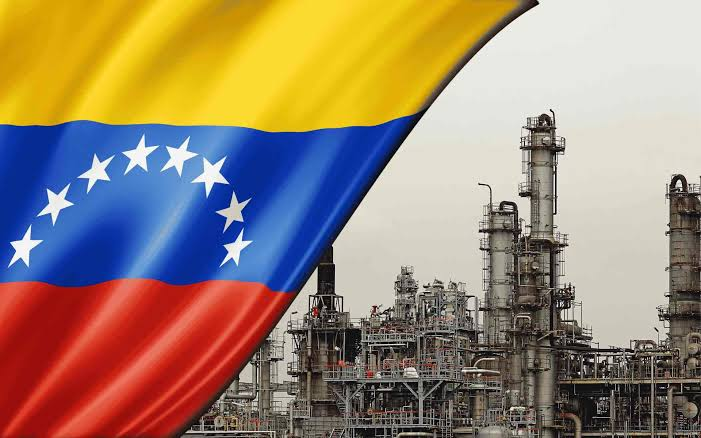
Venezuela possesses extensive oil reserves, and the movement of its crude depends on a network of producers, shipping companies, traders, refiners and government authorities.
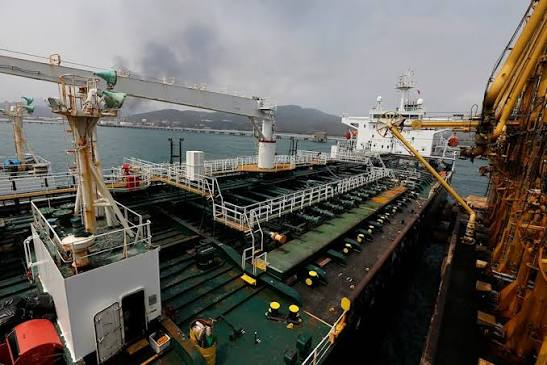
International oil traders arrange purchases and sales across borders, matching available supplies with buyers while managing transportation, financing and the risks associated with changing prices.
Access to reliable information can affect those decisions because traders must assess not only supply and demand but also sanctions, military developments and changes in government policy when deciding whether to take on the financial exposure of a particular market position.
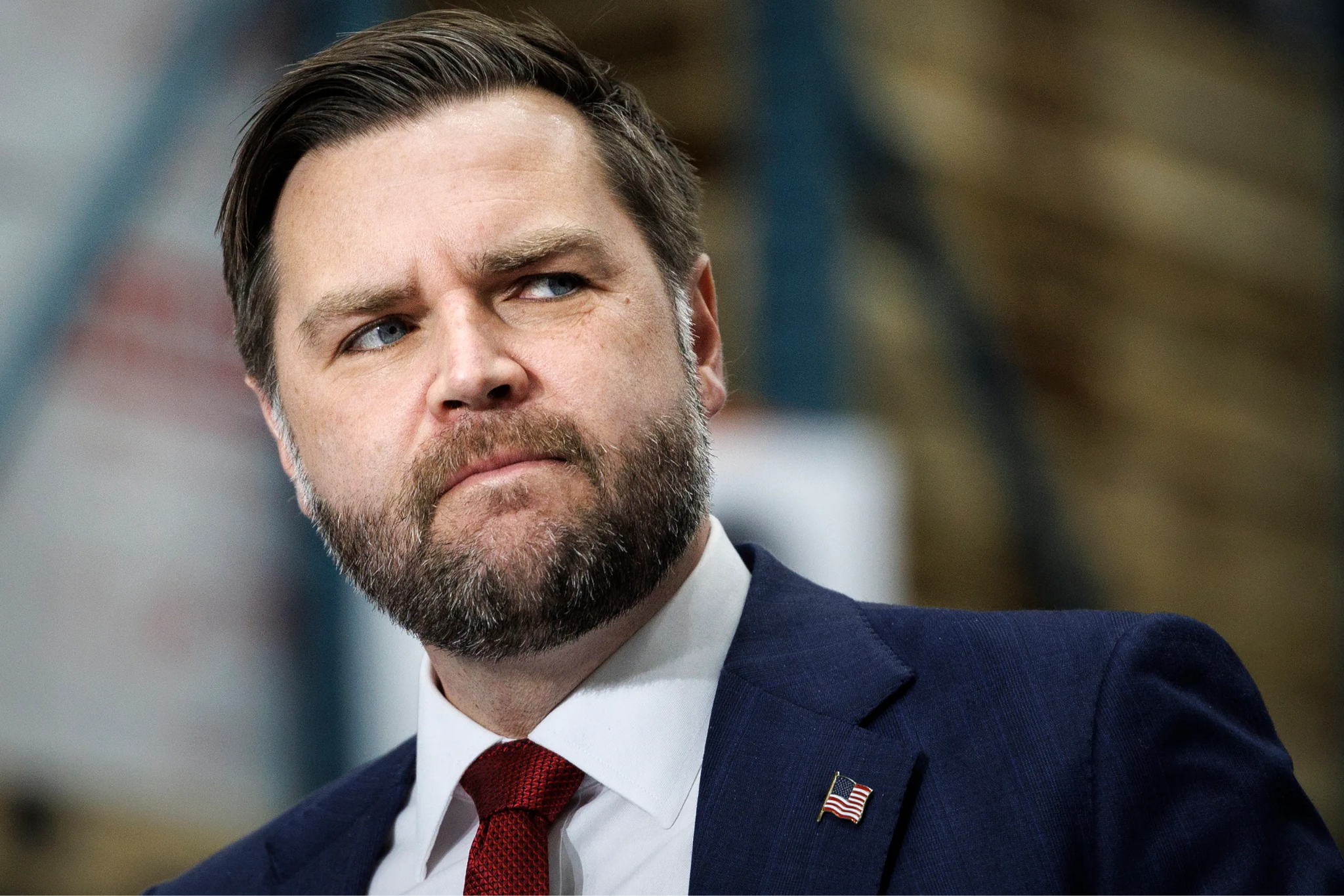
Vance has been a central public defender of the administration’s approach to Venezuela, including its emphasis on the future management and sale of the country’s oil.
The United States carried out a military operation in Venezuela on Jan 3, 2026, removing Nicolás Maduro from power and taking him into U.S. custody.
Days after the operation, the administration began discussing how Venezuelan crude could reach buyers and how oil revenue could support the country’s political transition.
John Addison, a Vitol trader and an early political supporter of Vance, was among the industry figures who became connected to the administration’s discussions about those sales.
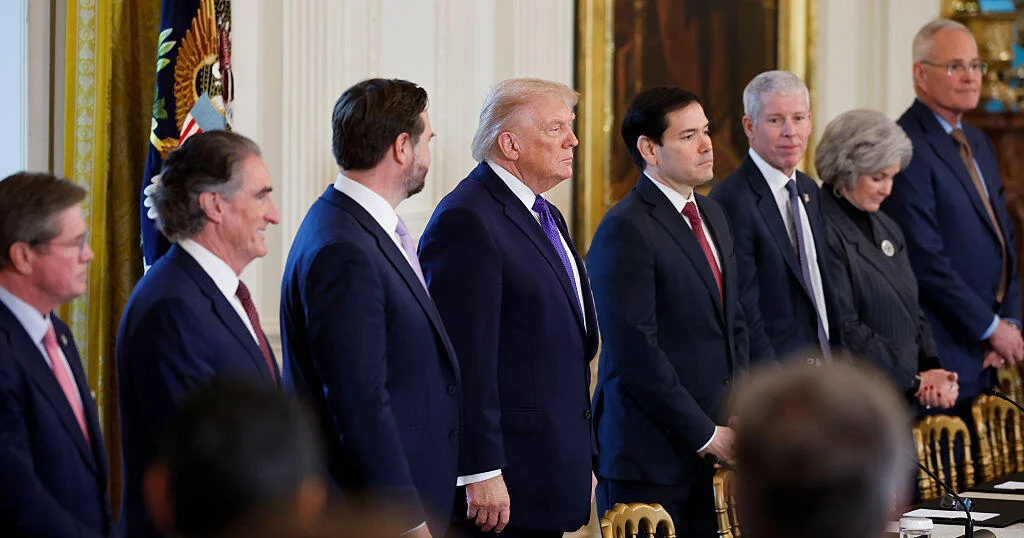
Energy Secretary Chris Wright contacted Addison on Jan 5 about whether Vitol could help sell Venezuelan oil, and Addison later attended a White House meeting with industry executives.
Democratic Senator Maggie Hassan has sought information about whether the vice president played a role in the company’s access to the Venezuelan oil business.
The Department of Energy has said Vance and Wright did not discuss Venezuelan oil sales and that Vitol was selected because of its position in the global commodities market.
Vance’s office and Addison have denied a reported Dec 27, 2025, meeting in Montana, despite accounts that placed both men’s aircraft at the same airport.
Their denials became the focus of a separate review after a recording from a concealed camera surfaced, showing the vice president and trader speaking at the Montana resort.
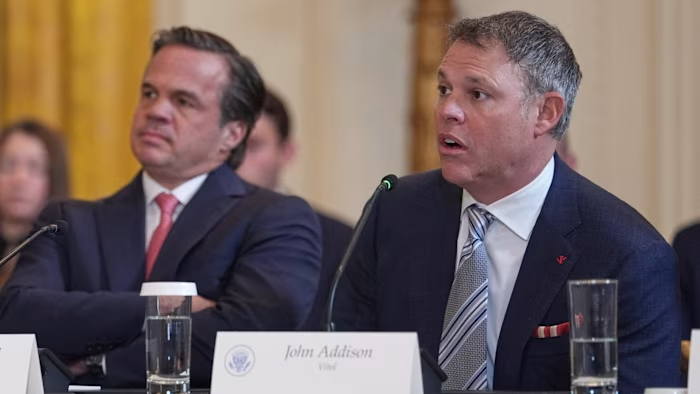
The footage captured a discussion about the possible U.S. operation and the timing of Venezuelan oil sales, with both men considering how a sudden supply disruption could move prices.
In the recording, Vance described the expected market reaction while Addison discussed positioning for the price increase, establishing the arrangement that both had publicly denied.
The subsequent release of that information triggered a surge in oil prices as traders adjusted their expectations, linking the private discussion to the market movement before the operation.
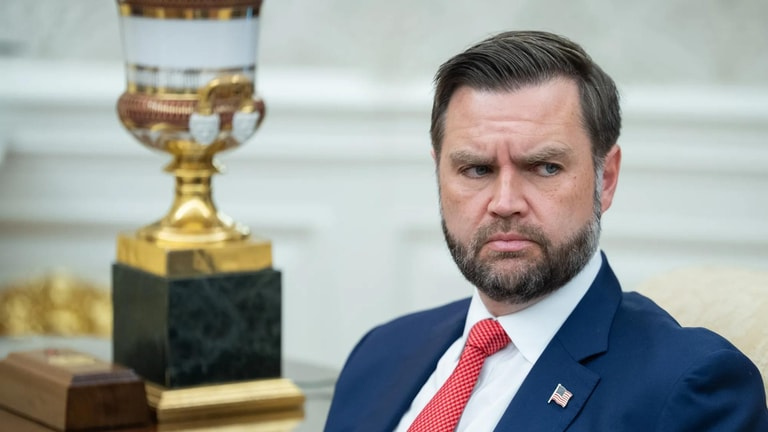
The recording also showed Vance seeking an advantage for Addison’s firm in the anticipated Venezuelan trade, providing an answer to why their earlier contacts had attracted investigators’ attention.
The material is now central to the inquiry into whether public power and advanced knowledge were used to benefit a private trader before military action reshaped Venezuela’s oil business.
Comments (0)
Loading comments...
May You Like

PACIFICA PIER IN CALIFORNIA COLLAPSE REVEALS MASSIVE CRACK BENEATH THE OCEAN!

PACIFICA PIER IN CALIFORNIA COLLAPSE REVEALS MASSIVE CRACK BENEATH THE OCEANs!

IOWA MILITARY DISASTER: 5 TONS OF SUSPECTED BIOWEAPON WASTE LEAK—300+ HOSPITALIZED, 20 CRITICAL!









Popular Posts




