Viral ‘House Just Passed It’ Claim Raises Questions as Congress Remains Out of Session
Viral ‘House Just Passed It’ Claim Raises Questions as Congress Remains Out of Session
The graphic names no bill and gives no vote tally. The official House schedule lists the chamber as not in session on October 28, 2026.
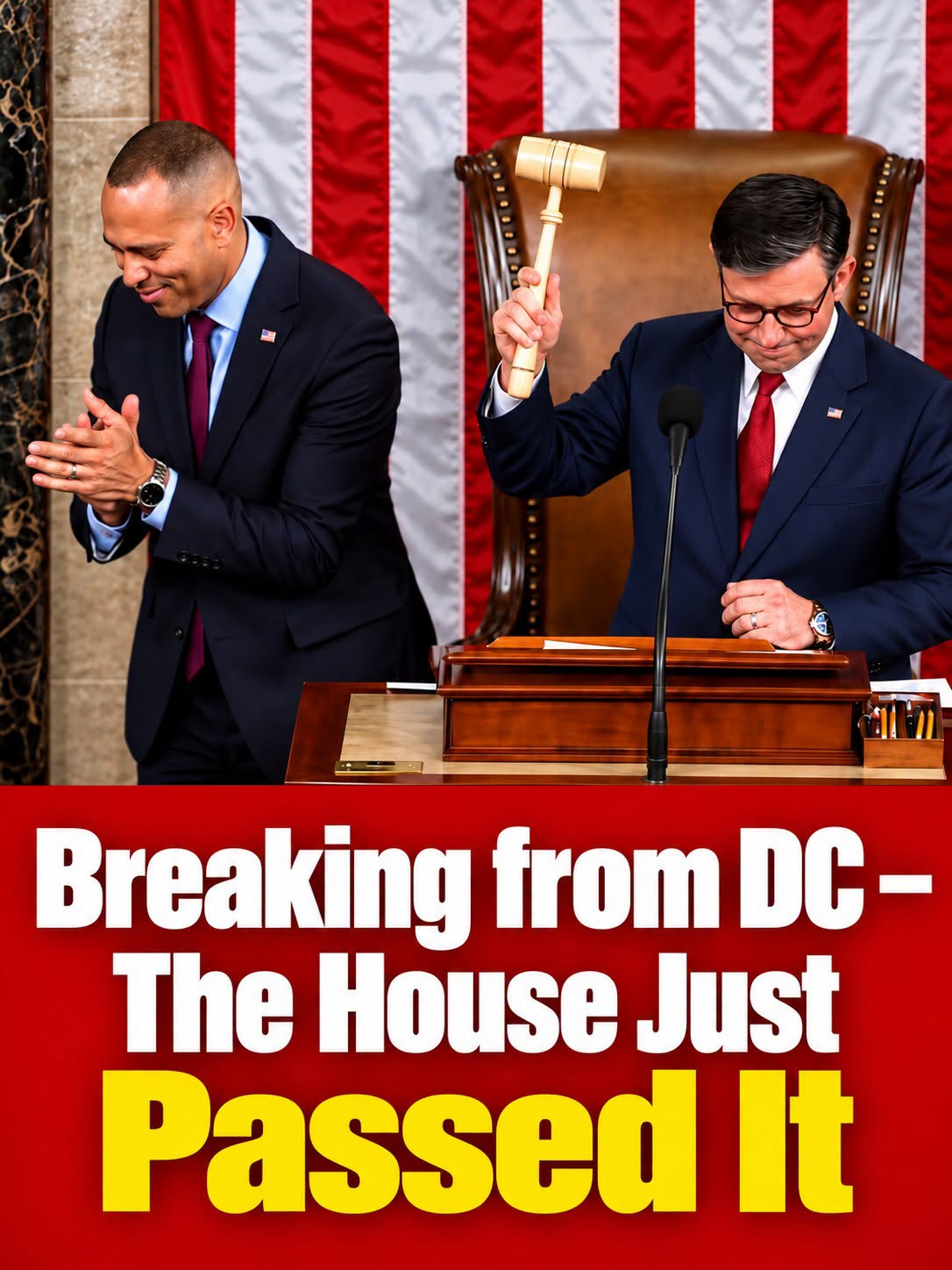
A dramatic political graphic circulating online declares, “Breaking from DC — The House Just Passed It.” But it does not identify the legislation, provide a vote tally, name a roll-call number or state when the supposed vote took place. Without those details, the headline cannot be verified on its own.
That omission matters. Congress considers bills, resolutions, amendments and procedural motions. A claim that the House “passed it” is incomplete unless readers know exactly what lawmakers voted on and what the vote legally accomplished.
What the official calendar says
The House Republican Cloakroom’s published schedule lists the House as not in session on Wednesday, October 28, 2026. It lists a pro forma session on Monday, October 26, and another scheduled for Thursday, October 29. That schedule does not support a claim that the House was holding a floor vote that Wednesday.
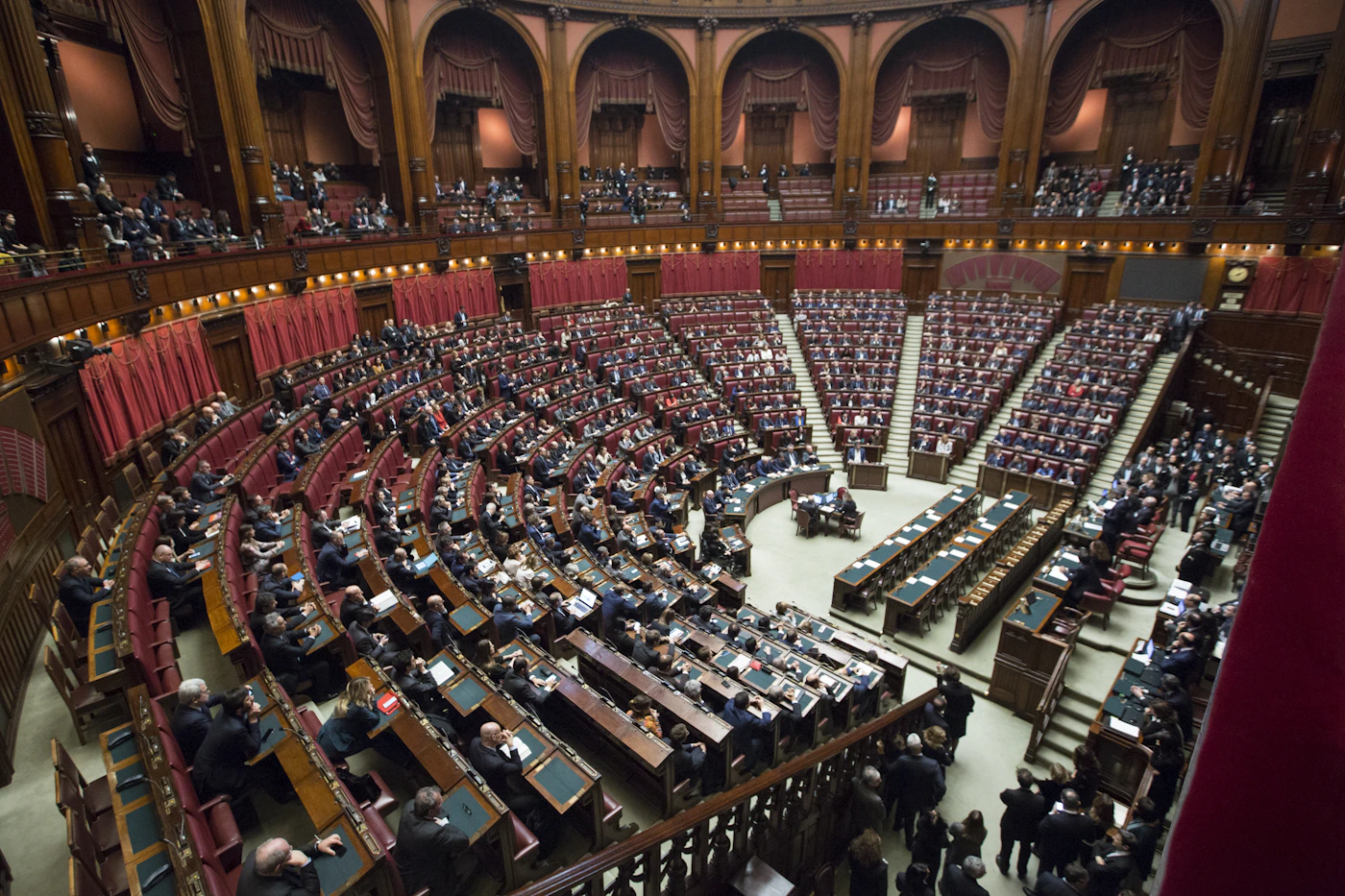
The House Clerk’s public website provides dated floor summaries and roll-call records. Those official records are the place to check whether a measure passed, how members voted and what question was before the chamber.
A schedule can change, and a graphic might refer to an earlier vote. Still, a post using the words “breaking” and “just passed” should provide a date and a link to the official record. This image provides neither.
‘Passed’ can mean different things
In congressional coverage, “passed” may refer to final passage of a bill, approval of a resolution, adoption of an amendment or agreement to a procedural motion. Those actions are not interchangeable.
For example, a vote to table a resolution means lawmakers agree to set it aside; it does not mean they adopted the resolution itself. A vote to advance a bill or end debate does not necessarily mean the bill has completed every step required to become law.
Even when the House passes a bill, the Senate may still need to consider it. If the Senate passes a different version, the chambers may need to resolve those differences. A bill generally must then be presented to the president before it becomes law.
Recent House action provides context
The official congressional record shows that the House has considered a range of measures during the current session. In September, for example, lawmakers approved measures involving water resources, ratepayer protection and federal fraud enforcement.
The House also approved a temporary funding measure on September 1 by a vote of 370 to 48. It extended federal funding through December 11, 2026, and was subsequently signed into law. That was a specific measure with a recorded vote, not an unnamed proposal.
Those examples show why the missing information in the viral image is essential. Credible reporting should identify the bill number or resolution, the vote date, the vote count and the next step in the legislative process.
The image itself does not establish a vote
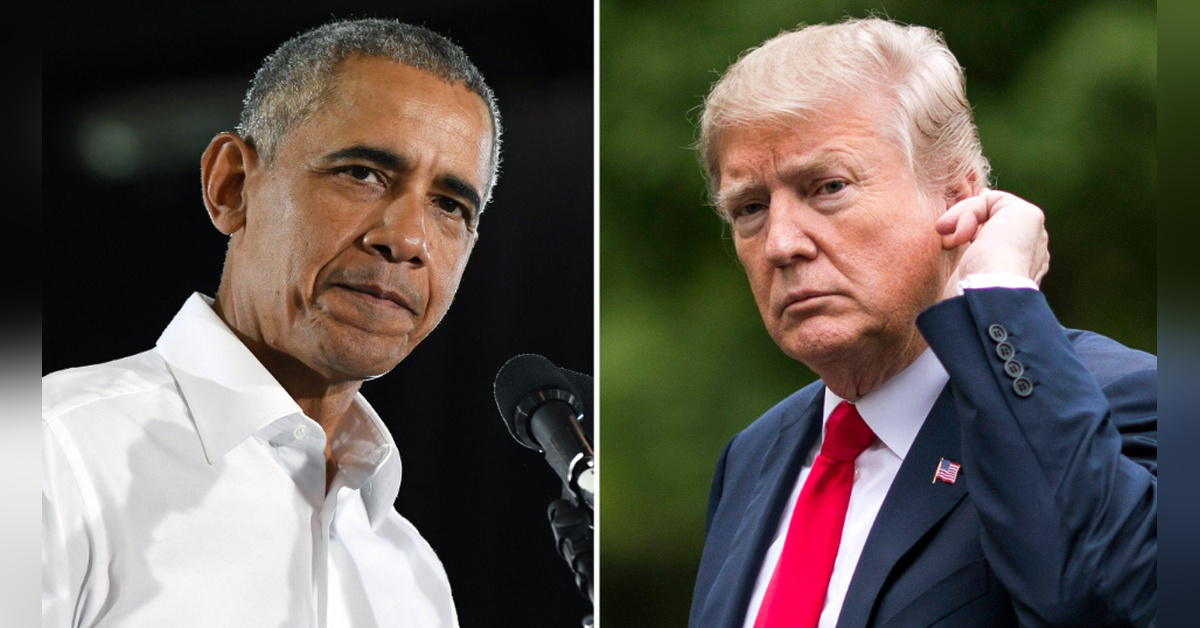
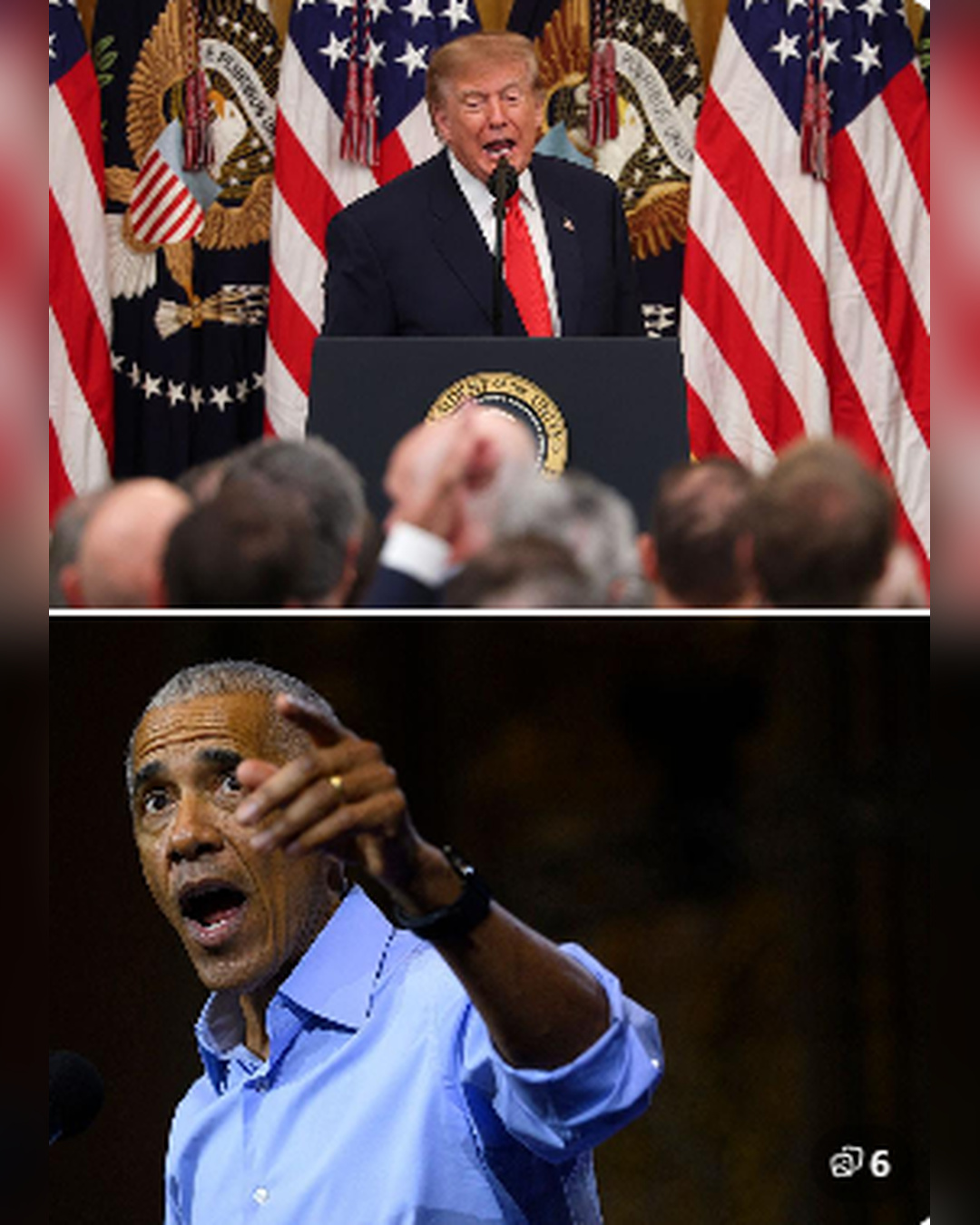
The graphic features two political figures in a formal House setting, with one man holding a gavel and another applauding. But it contains no visible bill text, official vote board or documentary evidence connecting the scene to a particular legislative action.
A photograph or illustration can attract attention without documenting the event described in its caption. The image alone cannot confirm that a vote occurred, what measure was considered or whether the depicted moment is authentic to the claim.

Readers should be cautious with graphics that combine recognizable political figures, dramatic typography and vague wording. Such posts may refer to real news, recycle old material or leave out essential context. The claim needs verification rather than assumptions based on the visual design.
How to verify the claim
Start by asking for the bill number. House measures generally have identifiers such as H.R. followed by a number, while joint resolutions use H.J. Res. A post that offers no identifier makes independent checking much harder.
Next, check the House Clerk’s roll-call page or the official House floor summary for the date in question. The record should show the exact vote question and whether the result was passage, rejection or a procedural decision.
Then check the measure’s status on Congress.gov. A bill may have passed one chamber but remain pending in the other, or it may have been signed into law. The status page helps distinguish a vote in one chamber from a completed legislative outcome.
Finally, compare the claim with reporting from established news organizations. Good coverage normally identifies what the measure does, who supported or opposed it, the margin of the vote and what happens next.
What can responsibly be said now
Based on the graphic alone, it is not possible to determine what the House supposedly passed. The official schedule available for October 28 lists the House as not in session, so the wording should not be treated as confirmation of a vote occurring that day.
That does not prove the image refers to a wholly fabricated event. It could refer to an earlier vote, use recycled imagery or omit a key detail. The specific bill or resolution is needed before the claim can be evaluated conclusively.
Until a measure and date are identified, readers should avoid sharing the image as verified breaking news. A precise headline and an official vote record are more reliable than an unsourced claim that “the House just passed it.”
The bottom line is simple: the House does pass legislation, but this graphic does not say what passed. With no bill number, date or roll-call record—and with the published calendar listing the chamber as out of session on October 28—the claim remains unverified.
Comments (0)
Loading comments...
May You Like