“War Will End Very Soon”: Trump Says It, but What Is Actually in the U.S. Response to Iran?
President Donald Trump has repeatedly said the war with Iran could end soon. On Sept. 28, he told reporters that the United States would win “very soon” and that the conflict would “go pretty quickly.”
Now, a potentially significant diplomatic development has emerged: Iran has received a U.S. response to its latest seven-day proposal aimed at restoring a ceasefire and reopening the Strait of Hormuz. But the contents of Washington’s response have not been publicly released.
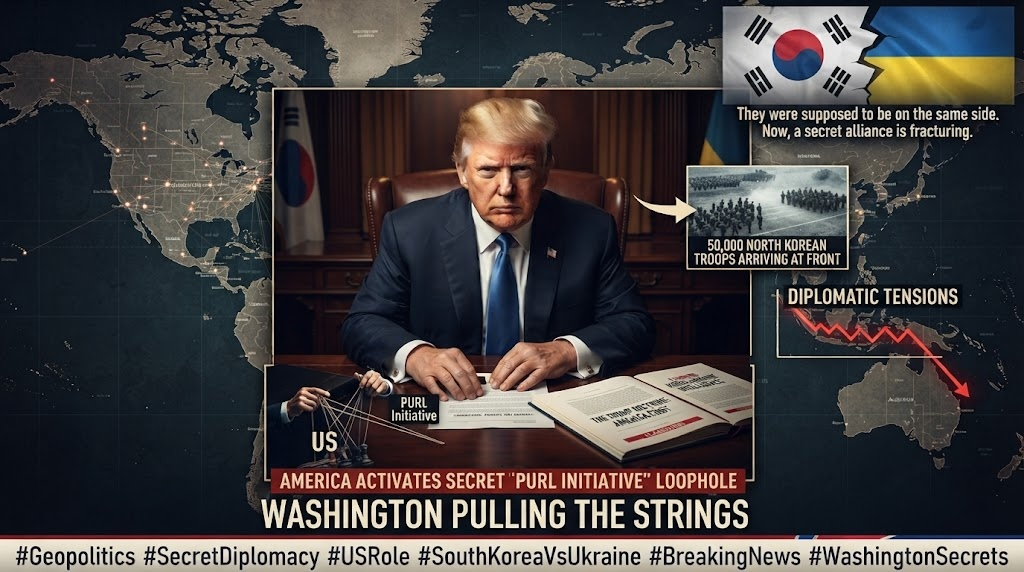
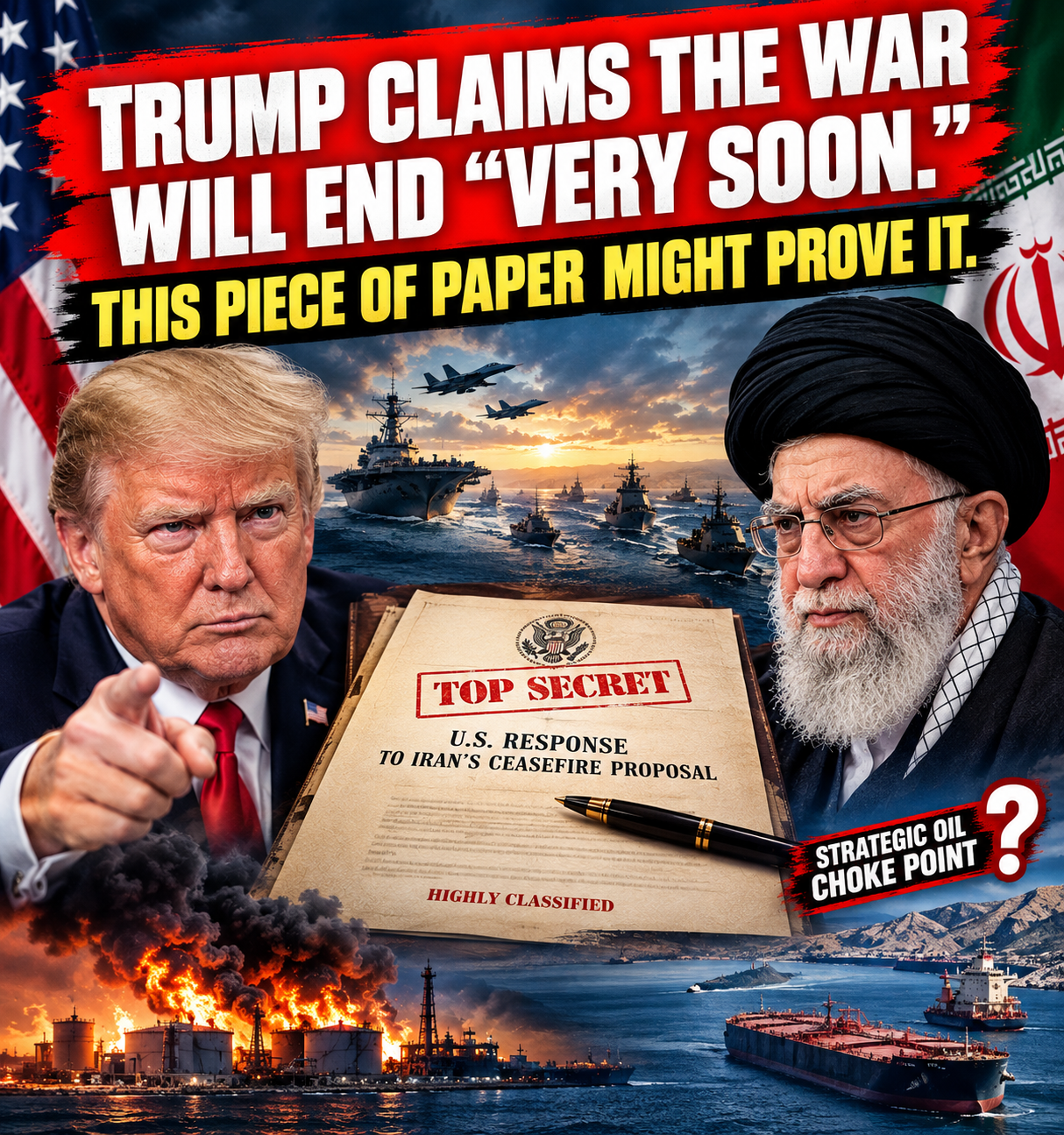
That distinction matters because the dramatic document shown in the supplied graphic — labeled “TOP SECRET” and described as a U.S. response — should not be treated as a verified copy of the actual document.


Iran’s Seven-Day Proposal
The diplomatic process began with a proposal presented by Iranian Foreign Minister Abbas Araghchi during the U.N. General Assembly in New York last week.
According to Reuters, Tehran's proposal envisioned a seven-day sequence in which Iran could reopen the Strait of Hormuz and restore normal maritime passage if specified conditions were met. Qatar has been acting as an intermediary between Washington and Tehran.
Other reporting has described the Iranian proposal as linking the reopening of the strait to measures including the lifting of the U.S. naval blockade, relief affecting Iranian oil exports and the resumption of broader negotiations over Iran's nuclear program.
The Strait of Hormuz is central to the dispute because of its importance to global energy shipping.
Trump Previously Said He Rejected the Proposal
There is an apparent contradiction at the heart of the latest development.
On Sept. 26, Trump publicly said he had rejected Iran's proposal, arguing that Tehran was seeking an agreement because of the economic pressure created by the conflict and restrictions around the strait.
Yet Iranian officials later said they had not received a formal rejection.
On Sept. 30, Iranian officials confirmed that a U.S. response had finally been conveyed to Tehran through the mediation process. Reuters reported that the response was delivered via Qatari mediators, while the Associated Press said Iranian Foreign Minister Abbas Araghchi presented it to President Masoud Pezeshkian.
That means the diplomatic channel remained active even after Trump's public rejection.
So What Did the U.S. Actually Put in Writing?
The precise contents remain undisclosed.
This is the most important fact missing from the viral-style graphic.
Reuters reported that a person briefed on the talks said the document being circulated outlines a seven-day confidence-building period intended to return Washington and Tehran to an enhanced version of the memorandum of understanding reached in June.
That framework reportedly includes concrete steps concerning Iran's nuclear program. But the source did not provide the full details of those measures.
According to the same Reuters report, the central disagreement may no longer be over whether particular steps belong in the framework, but which side takes which step first.
That sequencing question could be critical.
Washington could demand Iranian action before granting major concessions, while Tehran could insist that U.S. sanctions or blockade-related measures come first.
Nuclear Issues Remain at the Center
Iran's nuclear program remains one of Washington's principal concerns.
Trump has repeatedly said that Iran must not obtain a nuclear weapon. In his Sept. 22 address to the United Nations, he again said he would not allow Iran to have one.
The Iranian proposal, meanwhile, reportedly envisaged reopening negotiations concerning the nuclear issue after the initial seven-day confidence-building period.
That does not mean Iran has agreed to all of Washington's nuclear demands.
Indeed, Reuters previously reported that an Iranian official said Tehran would not give up what it considers its sovereign rights over uranium enrichment or agree to ship highly enriched uranium out of the country simply to secure a broader agreement.
So the nuclear question remains one of the major areas where the two sides could still disagree.
The Strait of Hormuz Is the Other Major Piece
The other immediate issue is maritime traffic.
Iran's proposal linked a seven-day process to reopening the Strait of Hormuz, while Washington has maintained pressure over access through the strategic waterway. Reuters reported that U.S. and Iranian negotiators largely appear to understand the steps being discussed but disagree over their sequence.
The White House has separately maintained that U.S. forces control the strait and has highlighted the number of commercial vessels that have moved through under U.S. protection.
That makes Hormuz more than a technical detail in negotiations: it is simultaneously a military, economic and diplomatic pressure point.
Trump’s “Very Soon” Claim Does Not Mean a Deal Is Done
Trump's recent comments have been notably optimistic.
On Sept. 28, he said the United States would win the war “very soon,” adding that it would proceed quickly.
But diplomatic reporting tells a more complicated story.
Axios reported Sept. 29 that recent U.S.-Iran discussions mediated by Qatar had produced little movement, with significant disagreements remaining.
At the same time, Reuters reported Sept. 30 that mediators believed the two sides had substantial overlap on the steps under discussion, with the principal dispute concerning their order.
Those accounts can coexist: negotiations can be active while the parties remain far apart on implementation.
What the Viral Graphic Gets Right — and What It Leaves Out
The image supplied with this story contains several elements that correspond to real developments:
- Iran did submit a seven-day proposal.
- The proposal involved the Strait of Hormuz.
- The United States did provide a response through intermediaries.
- Iranian officials are reviewing that response.
- Nuclear issues are part of the broader diplomatic framework.
- Trump has publicly said he expects the conflict to end soon.
But other elements should be treated cautiously.
There is no public evidence establishing that the exact document pictured is the actual U.S. response. The “TOP SECRET” stamp, the specific wording on the document and the suggestion that its contents are known are not supported by the public reporting reviewed here.
Likewise, the claim that America has demanded a simple “total nuclear surrender” oversimplifies a negotiating process whose detailed terms remain confidential.
The Real Question Now
The most consequential question may not be whether Washington and Tehran are talking. They clearly are.
The question is whether they can agree on who moves first.
If the United States and Iran can settle the sequencing dispute, a seven-day confidence-building framework could provide a mechanism for restoring maritime traffic and reopening broader nuclear negotiations.
If they cannot, Trump's prediction that the conflict will end “very soon” could remain a statement of intent rather than evidence that a final agreement has been reached.
For now, the U.S. response exists, Iran has received it, and its contents remain largely undisclosed.
Comments (0)
Loading comments...
May You Like
Shocking news from Ohio: an unexpected development ahead of Trump's rally
Shocking news from Ohio: an unexpected development ahead of Trump's rally