
WEYMOUTH HORROR — FIRE TRUCK BRAKES TO SAVE DOG, ONE FIREFIGHTER DEAD, TWO CRITICAL!
WEYMOUTH, Massachusetts — November 28, 2026 — A Thanksgiving morning emergency turned into a double disaster in Weymouth, Massachusetts, when a fire engine carrying four firefighters overturned while responding to a major residential blaze, leaving emergency crews confronting two dangerous incidents within the same community.
Newly released surveillance footage has provided a closer look at the circumstances surrounding the crash, showing the emergency vehicle losing stability before overturning on a residential roadway. The footage has attracted considerable attention as investigators work to determine what caused the accident.
According to Weymouth Fire Chief Matthew Harding, the four firefighters were traveling toward a three-alarm house fire on Babcock Avenue when their engine crashed near the intersection of Commercial Street and James Road. All four were transported to a local hospital for medical treatment.
The incident has raised broader questions about the dangers confronting emergency responders, the challenges of operating heavy rescue vehicles and the unexpected circumstances that can turn a routine emergency response into a life-threatening situation.
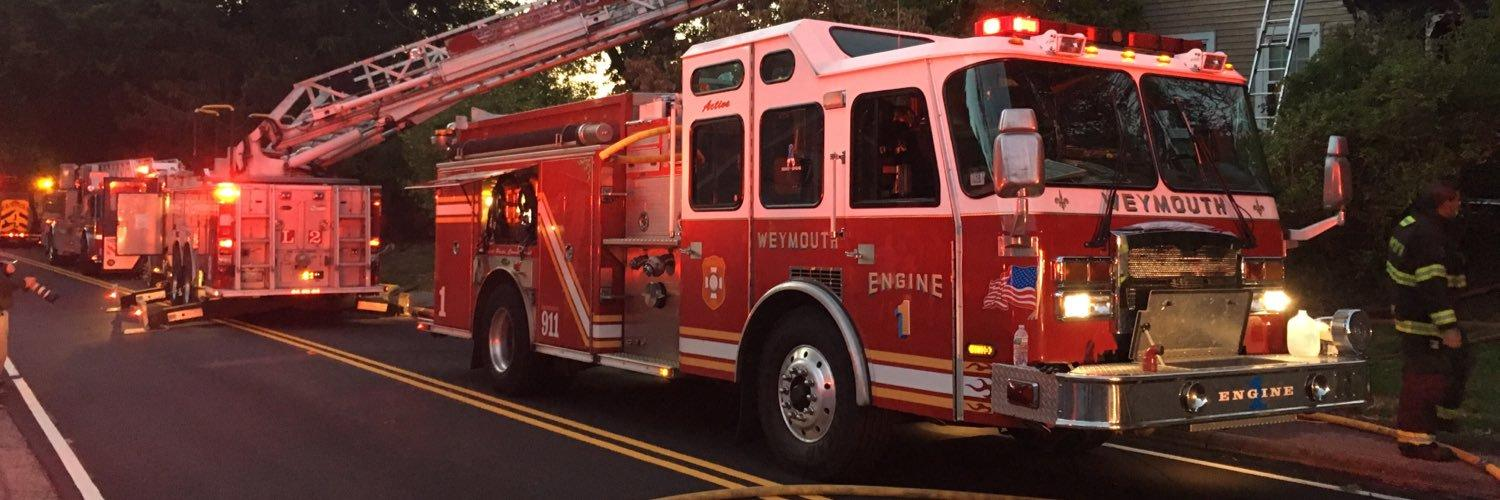
Thanksgiving morning in Weymouth began with an emergency call reporting a residential fire in the northern part of the community. Firefighters were dispatched to assist with the response, which eventually escalated into a three-alarm emergency requiring substantial personnel and equipment.
Among the responding vehicles was Engine 2, carrying four members of the Weymouth Fire Department. The crew was traveling through a residential area when the vehicle became involved in a serious rollover accident, creating a second emergency approximately 1.5 miles from the burning house.
Instead of arriving at the original fire, the four firefighters suddenly became the focus of another rescue and medical response. Additional emergency personnel were needed to assist the injured crew while firefighting operations continued at the residential property.
The simultaneous emergencies presented an unusual operational challenge. Authorities needed to maintain sufficient resources at the house fire while arranging medical transportation for the injured firefighters, securing the accident scene and ensuring that emergency services remained available elsewhere in Weymouth.
For firefighters working during the Thanksgiving holiday, the incident illustrated how rapidly the circumstances of an emergency response can change.
Video recorded by a nearby residential security camera has become an important part of understanding the accident. The footage shows the emergency vehicle traveling along Commercial Street before changing direction, overturning and sliding across the roadway.
According to local station WATD, the recording captured the fire engine making a sharp movement toward the left while descending a hill. The vehicle subsequently rotated and came to rest on its side.
The images illustrate the considerable physical forces involved when a heavy emergency vehicle loses stability. Unlike passenger cars, fire engines carry substantial quantities of specialized equipment, and their dimensions and weight can complicate sudden changes in direction.
The distinction is particularly important because video recordings may capture the visible consequences of an incident without revealing everything that occurred outside the camera's field of view.
Investigators may therefore examine additional recordings, witness statements and vehicle information before reaching a conclusion about the cause of the rollover.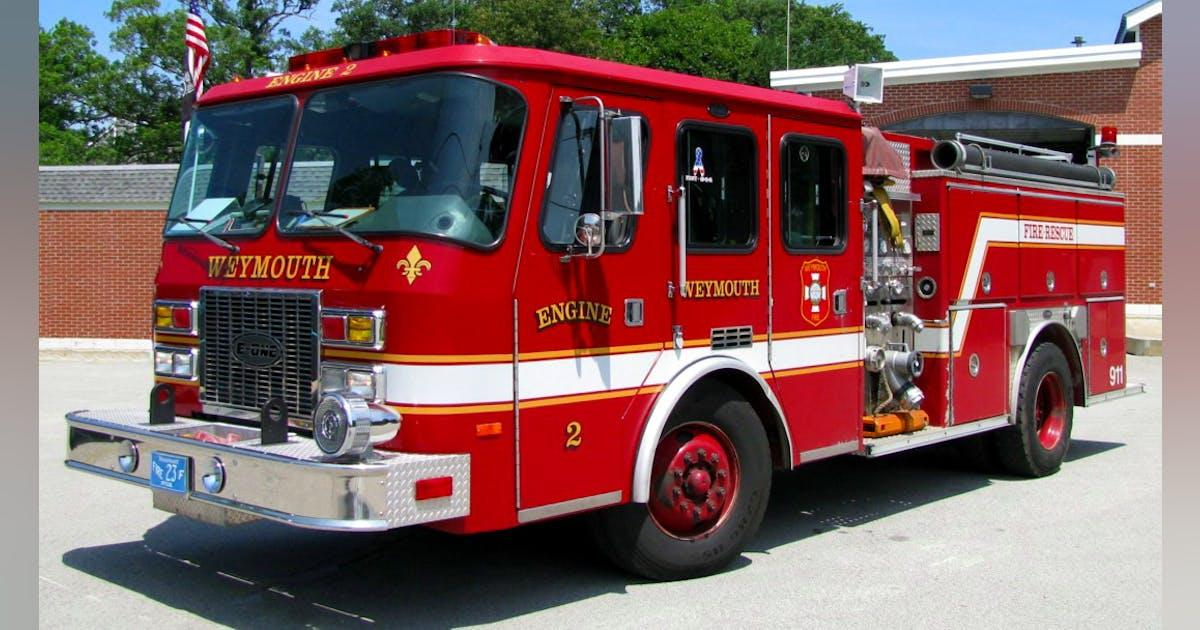
Modern fire engines are designed to transport firefighters, water, hoses, breathing equipment and other specialized rescue tools. Their ability to carry these resources allows emergency personnel to begin operations immediately after arriving at a fire.
However, the same characteristics that make these vehicles essential to firefighting also distinguish them from ordinary passenger cars. Fire engines generally have greater mass, larger dimensions and a higher center of gravity, all of which influence their behavior during sudden maneuvers.
Residential streets can introduce additional complications. Parked vehicles, narrow roadways, intersections, pedestrians and uneven surfaces may reduce the available space for maneuvering. Drivers must balance the urgency of an emergency call against the responsibility of transporting their colleagues safely.
The U.S. Fire Administration identifies emergency vehicle and roadway safety as an important component of reducing occupational injuries among firefighters. Its guidance emphasizes the importance of driver training, vehicle maintenance and established safety procedures.
Residents living near the accident scene reported hearing loud impacts before discovering the overturned emergency vehicle outside their homes. For people accustomed to seeing fire engines pass through the community, the sight of one lying on its side represented a considerable departure from an ordinary emergency response.
Brendan Morris, a nearby resident interviewed by NBC10 Boston, described hearing the crash and observing the truck leaning before it overturned. Initially, he believed the vehicle might have encountered an irregularity in the roadway, but a subsequent impact made clear that a more serious accident had occurred.
Morris reported seeing all four firefighters emerge from the vehicle, with visible injuries apparent on two members of the crew. Emergency personnel subsequently arranged transportation to a local hospital.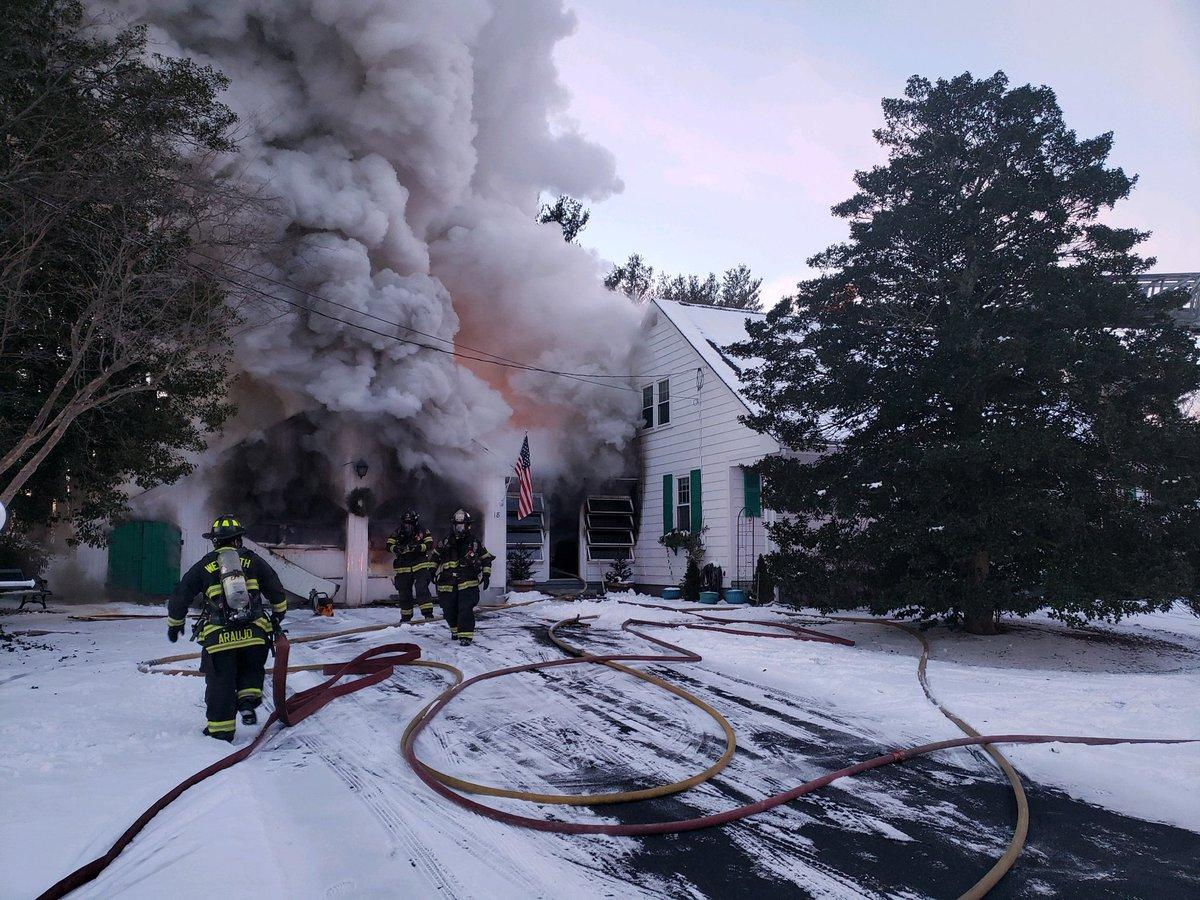
Witness accounts can provide valuable information about the immediate circumstances of a collision. However, observations made from different positions may capture different portions of the event.
Investigators must therefore compare those accounts with physical evidence and available video recordings. A witness's initial interpretation of what caused a vehicle to move unexpectedly may differ from the conclusions reached after a comprehensive examination.
The first medical assessments following the accident indicated that two members of the four-person crew had suffered serious injuries. Fire Chief Matthew Harding nevertheless indicated that their conditions appeared stable when discussing the incident on Thursday.
All four firefighters were taken to a local hospital, allowing medical personnel to evaluate their injuries and determine whether further treatment or observation was necessary.
For their colleagues and families, the immediate priority remained the condition of the four firefighters rather than the eventual operational status of the damaged emergency vehicle.
While medical personnel attended to the injured firefighters, the original emergency on Babcock Avenue continued to require substantial resources. The residential property had become extensively involved in fire, creating difficult conditions for responding crews.
Fire Chief Harding reported that the building eventually collapsed and was considered a total loss. A nearby structure also sustained damage, illustrating the potential for residential fires to affect neighboring properties.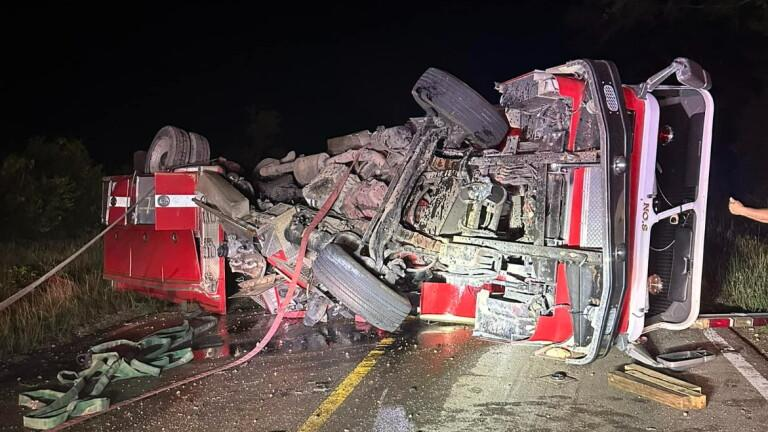
The homeowner was transported to a hospital for precautionary medical evaluation. Firefighters from other communities assisted Weymouth personnel as authorities managed both emergency scenes.
Residential fires that spread extensively before being brought under control can create challenges involving building stability, smoke exposure and damage to surrounding structures. Firefighters must continually assess whether conditions permit safe access while attempting to prevent further losses.
The accident involving Engine 2 meant that the department had to manage these responsibilities without one of the crews originally dispatched to the scene.
The separate investigations into the house fire and the vehicle rollover will help authorities establish the circumstances behind both emergencies.
Fire departments throughout Massachusetts frequently operate through mutual aid arrangements that allow personnel and equipment to be shared between communities when local resources become stretched.
These arrangements can become particularly important when a department faces several emergencies simultaneously. A significant residential fire may require multiple engines, ladder trucks and command personnel, while a vehicle accident involving firefighters creates additional medical and operational demands.
The Rockland Fire Department confirmed that it had been asked to assist with fire station coverage in Weymouth during the Thanksgiving emergency. Other neighboring departments also participated in supporting the response.
Providing station coverage allows a community to maintain emergency response capabilities while its regular personnel are occupied elsewhere. Without such arrangements, an additional emergency occurring during a major incident could place considerable pressure on available resources.
For residents, these agreements help ensure that emergency assistance remains available even when local firefighters are responding to particularly demanding incidents.
One of the most widely discussed possibilities surrounding the accident involves whether an animal entered the roadway, prompting the emergency vehicle to change direction.
Drivers occasionally encounter animals on residential streets, and unexpected obstructions can require rapid decisions. For someone operating a heavy commercial or emergency vehicle, those decisions involve considerations extending beyond the obstacle itself.
The safety of passengers, pedestrians, surrounding traffic and the vehicle must all be taken into account. An abrupt movement that might be manageable in a smaller passenger car can produce substantially different consequences in a larger vehicle.
There is also an important distinction between the surveillance footage recorded from a nearby property and footage captured by a camera mounted inside an emergency vehicle. The recording described by local media was obtained from residential surveillance rather than a confirmed onboard dashcam.
Further evidence may clarify whether the driver encountered an obstruction and what circumstances contributed to the loss of vehicle stability.
Investigating a fire engine rollover can involve several distinct areas of examination. Authorities may assess the condition of the roadway, the mechanical condition of the vehicle, available recordings and the information provided by people who witnessed the incident.
Vehicle maintenance records can help establish whether relevant systems had been inspected and whether mechanical problems had previously been identified. Investigators may also examine braking systems, steering components and other equipment where relevant to the circumstances.
The conduct of the emergency vehicle's occupants may also form part of an investigation. National occupational safety guidance has emphasized the importance of appropriate emergency vehicle training, occupant restraints and procedures intended to reduce rollover injuries.
The investigation's purpose is to establish what occurred through evidence rather than assign responsibility based solely on the appearance of the surveillance footage.
Firefighters regularly encounter dangerous situations while protecting their communities. Although public attention frequently focuses on burning buildings and hazardous rescue operations, emergency transportation represents another area of occupational risk.
A collision involving a fire engine can interrupt careers, affect household finances and create substantial uncertainty for injured personnel. Depending on the severity of their injuries, firefighters may require medical treatment, physical rehabilitation or temporary adjustments to their professional responsibilities.
Emergency service organizations may also provide peer support and access to counseling following difficult incidents. Such resources can assist personnel dealing with the consequences of occupational injuries or emergencies involving their colleagues.
The available medical information instead provides an indication of their immediate recovery, with individual outcomes dependent on subsequent assessments.
Although investigators have not established that a dog caused the fire truck accident, an animal was involved in the separate residential emergency that brought firefighters to Babcock Avenue.
According to The Boston Globe and WATD, the homeowner's dog died in the house fire. The property was destroyed, leaving its owner facing the loss of both his residence and his pet.
The dog's death was therefore associated with the original house fire rather than a documented rescue attempt on Commercial Street.
That distinction provides important context for understanding the two emergencies. The house fire and the rollover occurred in different locations, although both were connected through the firefighters' response.
The most significant medical update came on Friday, November 27, when Weymouth Mayor Michael Molisse provided additional information about the injured crew.
Three firefighters had been discharged from hospital. The fourth remained hospitalized in stable condition for continued observation. The update represented an encouraging development following the initial reports of serious injuries.
BostonGlobe.com
All four firefighters survived the accident, and the cause of the vehicle rollover remains under investigation.
For the Weymouth Fire Department, the next phase involves supporting the injured personnel, assessing the damaged apparatus and examining the circumstances surrounding the crash. A separate investigation will seek to establish what caused the residential fire that destroyed the Babcock Avenue property.
Thanksgiving morning left Weymouth confronting two emergencies that unfolded within a short distance of each other. While the destruction of the home and the loss of a family pet remain significant, the survival of the four firefighters provides an important element of relief.
The newly released surveillance footage offers a valuable record of the crash, but the final explanation will depend on the findings of investigators rather than assumptions about the driver's intentions. Those findings could ultimately help emergency service organizations better understand the circumstances surrounding the accident and reduce the likelihood of similar incidents.
Comments (0)
Loading comments...
May You Like

DAVENPORT AIRBNB HORROR — 40 OF 50 TEENS TEST POSITIVE FOR DRUGS SUPPLIED BY THE HOST'S MOM!


BLACK FRIDAY TENSIONS IN NYC — DID PROTESTERS CROSS THE LINE AT A DISNEY STORE?

Latest Posts







Popular Posts




