
WEYMOUTH HORROR—80-MPH WIND GUSTS, FIRE TRUCK FLIPS, 3 FIREFIGHTERS CRITICAL!
WEYMOUTH, Massachusetts — November 28, 2026 — A Thanksgiving morning emergency turned into a double disaster in Weymouth, Massachusetts, when a fire engine carrying four firefighters overturned while responding to a major residential blaze, forcing emergency personnel to confront two dangerous incidents as a powerful coastal storm disrupted communities across the eastern United States.
Newly released surveillance footage captured the emergency vehicle losing stability and overturning on a residential roadway. The recording has drawn attention to the dangers confronting first responders operating heavy emergency vehicles under difficult circumstances, particularly during periods of severe weather.
According to Weymouth Fire Chief Matthew Harding, the firefighters were responding to a three-alarm house fire on Babcock Avenue when their engine crashed. All four members of the crew were transported to a local hospital for medical treatment.
The accident occurred as powerful winds and heavy rainfall affected much of the Eastern Seaboard, damaging infrastructure and disrupting Thanksgiving celebrations. Investigators are now examining the circumstances surrounding the rollover, while the community awaits further information about the firefighters' recovery and the cause of the accident.
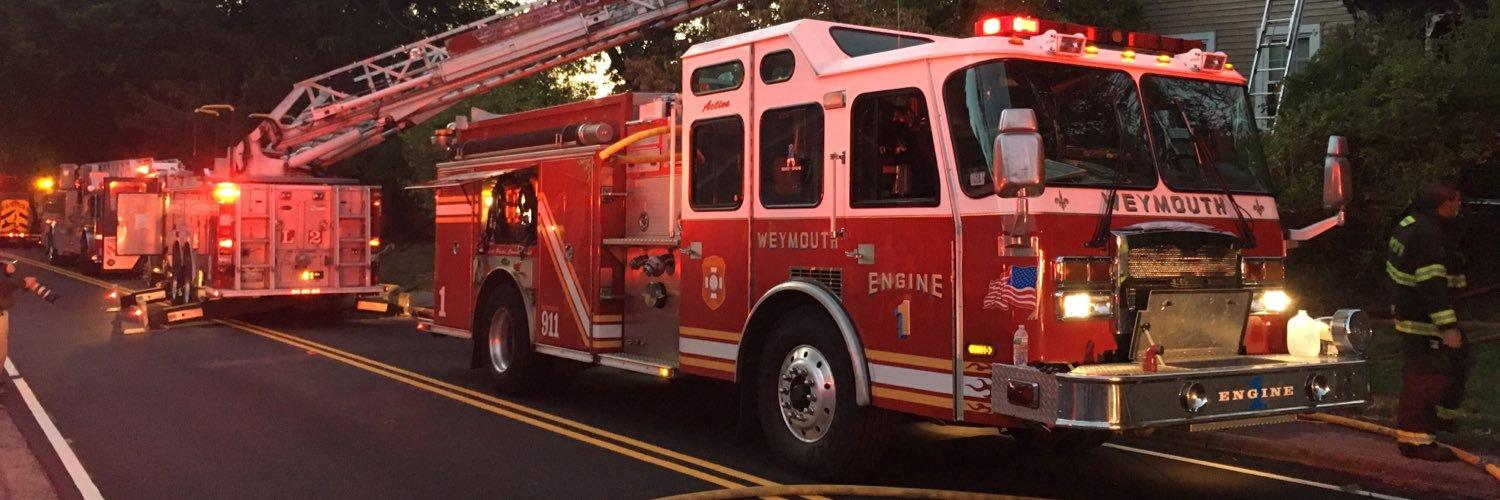
For firefighters across the United States, Thanksgiving is a working day that carries the same responsibilities as any other. While families gather inside their homes, emergency personnel remain available to respond to residential fires, medical emergencies, transportation accidents and weather-related incidents.
In Weymouth, that responsibility brought four firefighters aboard Engine 2 as the department responded to reports of a major house fire. Additional resources were being mobilized to assist with the growing emergency, which eventually required a three-alarm response.
The four firefighters never reached the burning property. Their vehicle overturned on Commercial Street, creating a separate emergency that required assistance from other first responders. The incident transformed personnel originally dispatched to protect the community into patients requiring immediate medical evaluation.
The circumstances presented a difficult operational challenge for the department. Firefighters still needed to contain the residential blaze while emergency medical personnel attended to their injured colleagues. Other regional departments were called upon to assist, ensuring that emergency coverage remained available throughout the community.
For Weymouth residents, the accident offered a reminder that the dangers associated with firefighting begin well before emergency personnel reach a burning building.
The emergence of surveillance footage has provided investigators and the public with a clearer view of the accident. Recorded by a camera installed at a nearby residential property, the video shows the fire engine traveling along Commercial Street before overturning and coming to rest on its side.
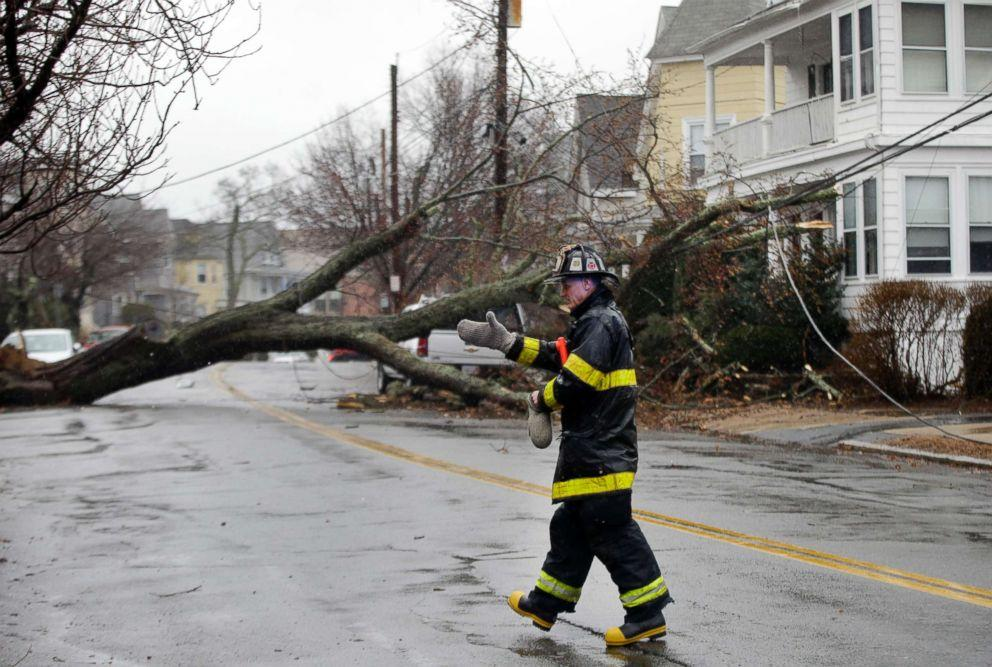
For accident investigators, surveillance recordings can provide valuable information about vehicle movements, surrounding traffic and environmental conditions. However, cameras may capture only a limited portion of the roadway, leaving important circumstances outside their field of view.
Investigators must therefore compare the recording with other available evidence, including witness accounts, mechanical inspections and weather observations. Establishing the reason behind the rollover will require more than examining the final moments captured on camera.
The recording was obtained from a residential security camera rather than a confirmed dashboard camera installed inside the fire engine.
The Weymouth accident occurred on the same day that a powerful coastal weather system affected much of the eastern United States. The storm brought heavy rainfall, coastal flooding and destructive winds, creating substantial transportation difficulties across multiple states.
Reuters reported wind gusts of up to 70 mph, equivalent to approximately 112 kilometers per hour, across parts of the Eastern Seaboard. Nearly one million electricity customer accounts experienced interruptions during the height of the storm.
In Massachusetts, weather forecasts indicated that conditions would deteriorate as Thanksgiving progressed. The National Weather Service issued wind advisories covering coastal areas, while meteorologists warned of heavy rainfall and increasingly powerful winds during the afternoon and evening.
However, the timing of those conditions is important when examining the Weymouth accident. The fire engine overturned during the morning, before the strongest forecast winds were expected to arrive in much of southern New England.
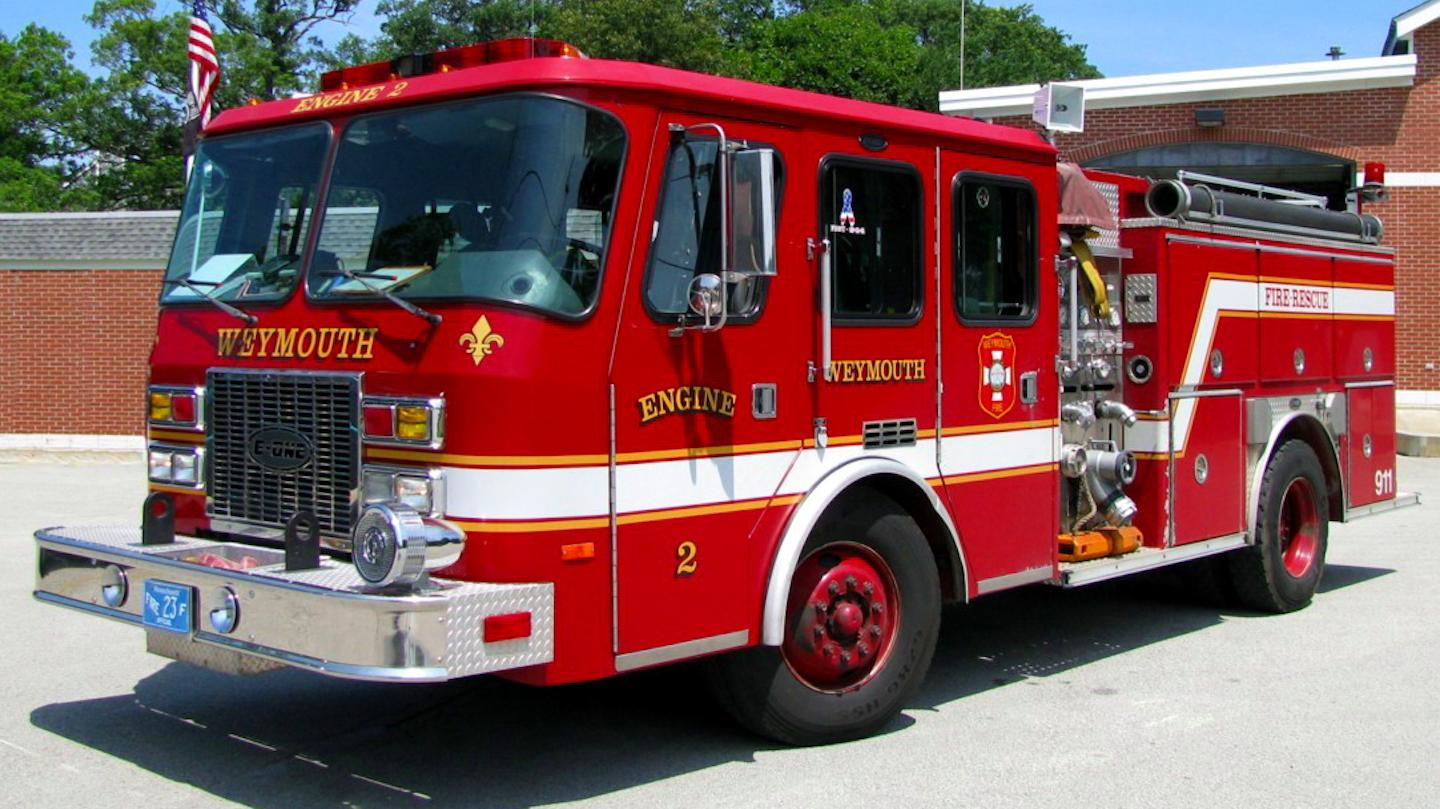
Fire engines are substantially different from ordinary passenger vehicles. They are designed to carry firefighters, water, hoses, breathing equipment and specialized rescue tools, allowing emergency personnel to begin operations shortly after arriving at an incident.
Their considerable weight and large dimensions, however, introduce unique transportation challenges. The distribution of equipment and water can influence vehicle stability, while a relatively high center of gravity makes certain heavy vehicles more susceptible to overturning during a loss of control.
Powerful crosswinds may create additional pressure against the exposed sides of large vehicles. Rainfall can also reduce road traction, while visibility may deteriorate during particularly severe weather.
Nevertheless, establishing that wind caused a particular rollover requires evidence specific to that accident. Vehicle stability can be influenced by multiple factors, including roadway conditions, steering movements, mechanical performance and environmental circumstances.
The U.S. Fire Administration identifies emergency vehicle operations as an important area of occupational safety, emphasizing the need to reduce transportation-related injuries among firefighters and other emergency personnel.
A wind gust reaching 120 kilometers per hour would be equivalent to approximately 75 mph. That represents a powerful atmospheric force capable of damaging trees, electrical infrastructure and exposed structures.
However, regional weather figures must be distinguished from measurements recorded at an individual accident scene.
The National Weather Service's Thanksgiving forecast for southern New England indicated increasingly difficult weather during the afternoon and evening, with strong winds expected across coastal communities. A wind advisory applicable to the Weymouth area was scheduled to begin at noon on Thanksgiving Day.
For investigators, the central question will be whether contemporaneous weather measurements and other physical evidence support a connection between the approaching storm and the rollover.
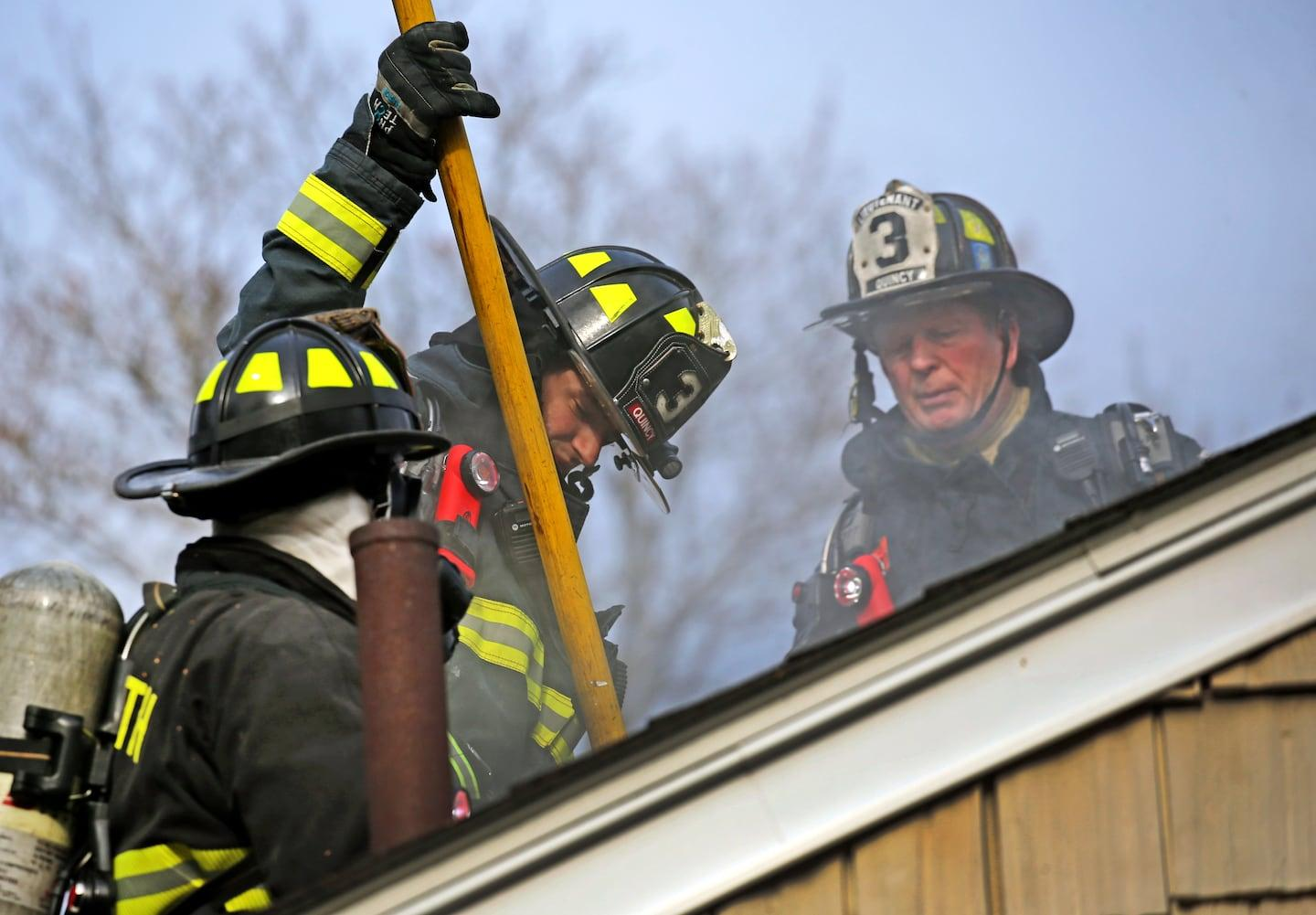
While attention quickly focused on the injured firefighters, emergency personnel continued responding to the original house fire on Babcock Avenue.
The residential building had become extensively involved in fire, requiring assistance from firefighters representing several surrounding communities. The blaze eventually destroyed the property, while intense heat caused damage to a neighboring residence.
A resident escaped the burning building and was transported for medical evaluation. Local reporting subsequently confirmed that his dog died in the fire.
The simultaneous emergencies demonstrated the importance of regional cooperation between fire departments. With one responding crew injured and an emergency vehicle unavailable, additional personnel and equipment were needed to support the ongoing firefighting operation.
Mutual aid arrangements allow neighboring communities to provide emergency assistance when local resources become stretched. These arrangements are particularly important during major storms, when multiple incidents may occur within a relatively short period.
For Weymouth, maintaining emergency coverage required balancing the needs of the injured firefighters, the burning residence and other potential emergencies throughout the community.
Following the accident, all four firefighters were transported to a local hospital. Initial assessments indicated that two members of the crew had sustained particularly serious injuries, although officials reported that their conditions appeared stable.
Recovery may involve medical observation, rehabilitation and additional assessments before an individual is cleared to resume ordinary responsibilities.
The department must also consider the practical consequences of losing experienced personnel while they recover. Staffing arrangements, training requirements and the availability of replacement equipment may become important considerations.
Fire departments frequently provide support to personnel injured while carrying out official responsibilities. That assistance can involve coordination with medical providers, support for affected families and arrangements intended to help injured firefighters return to their professional duties when medically appropriate.
According to Boston.com, the Professional Fire Fighters of Massachusetts contacted Weymouth Firefighters Local 1616 following the accident to offer assistance.
Authorities are conducting separate investigations into the residential fire and the fire engine rollover. Although the incidents are connected through the department's emergency response, they involve different questions and potentially different causes.
The fire investigation will examine the circumstances that led to the destruction of the Babcock Avenue property. Investigators may consider physical evidence remaining at the scene, witness accounts and information about the building's condition before the emergency.
The transportation investigation will focus on why the fire engine overturned. Relevant evidence could include surveillance recordings, road conditions, vehicle maintenance information and observations from people familiar with the accident.
The severe weather affecting the region provides another potential area of examination. However, establishing a connection between the storm and the rollover requires evidence rather than an assumption based on the timing of the two events.
No final determination concerning the cause of either incident had been announced in the reporting available on November 27.
The most significant development concerning the firefighters' condition emerged on Friday, November 27, when Weymouth Mayor Michael Molisse provided an updated medical assessment.
According to The Boston Globe, three of the four injured firefighters had been released from hospital. The remaining firefighter was in stable condition and continued to receive medical observation.
All four members of the crew survived the accident. Although their complete recovery and eventual return to firefighting will depend on individual medical assessments, the release of three personnel represents an important step following the Thanksgiving emergency.
For Weymouth residents, the update offers reassurance while authorities continue examining the circumstances that caused the fire engine to overturn.
The residential fire, however, left a separate human loss. A homeowner lost his property and companion animal, creating a recovery process that could continue well beyond the holiday season.
The Weymouth incident illustrates the complicated responsibilities facing emergency vehicle operators. Firefighters must respond promptly to potentially life-threatening situations while ensuring that their crews arrive safely.
Severe weather, heavy traffic and unexpected roadway conditions can introduce additional challenges during those journeys. Emergency service organizations must therefore balance operational urgency with appropriate transportation safeguards.
The accident may eventually provide information relevant to vehicle inspections, driver training or emergency response procedures, depending on the findings of investigators.
As Massachusetts recovers from the Thanksgiving storm, attention in Weymouth remains focused on the injured firefighters, the homeowner affected by the residential fire and the ongoing investigations into both incidents.
The surveillance footage provides a record of the rollover, but the full explanation will depend on evidence collected by investigators. For now, the survival of all four firefighters represents an important measure of relief following a Thanksgiving morning that placed an entire community's emergency services under considerable pressure.
Comments (0)
Loading comments...
May You Like

EAST COAST CATASTROPHE — $20 BILLION AT STAKE, 5 MILLION AT RISK OF LOSING POWER, WATER AND HEAT!

1,000+ MILITARY FAMILY RECORDS BREACHED, 200+ MILITARY SITES AT RISK!









Popular Posts




