What Happens to the 3,000 U.S. Soldiers as the Iran War Continues?


What Happens to the 3,000 U.S. Soldiers as the Iran War Continues?
Thousands of U.S. soldiers sent to the Middle East earlier this year remain part of a broader American military posture as the Iran conflict enters another uncertain phase.
The deployment included roughly 3,000 to 4,000 soldiers from the Army’s 82nd Airborne Division, according to Reuters reporting from March, expanding Washington’s available options in the region.
Reuters reported that the troops were intended to increase operational capacity, while officials said no decision had been made at the time to send American ground forces into Iran.
By late March, thousands of 82nd Airborne personnel had begun arriving in the Middle East, including headquarters, logistics, support elements and a brigade combat team.
The division is designed for rapid deployment and parachute operations, making its personnel suitable for securing airfields, protecting strategic locations or reinforcing forces during fast-moving contingencies.
That does not mean all 3,000 soldiers are destined for combat. Their presence can support logistics, communications, security, medical operations and other missions required by a large regional force.
The strategic environment has since changed significantly. The United States and Iran remain engaged in a prolonged conflict, with fighting continuing after months of military operations.
Current reporting indicates that American forces face continuing threats from Iranian attacks and aligned armed groups operating across the Middle East, increasing the risks surrounding any extended deployment.
Reuters reported that 18 American service members had died in the conflict by September 15, while numerous U.S. military installations and assets had also suffered damage.
For the soldiers already deployed, the immediate question is therefore not simply whether they will fight, but how long they may remain forward-deployed and what missions commanders assign.
The conflict has also created pressure on American military resources. The Congressional Budget Office estimates that the war has cost more than $38 billion through August 1.
The CBO said continuing operations could cost up to $3 billion a month or more, depending on the intensity of fighting and the resources required.
Those figures matter to the troops because sustained operations require ammunition, maintenance, transportation, replacement equipment and personnel rotations, all of which become harder during a prolonged campaign.
Another uncertainty involves the Strait of Hormuz and surrounding waterways, where attacks and disruptions have affected commercial shipping and contributed to higher global energy prices.
American forces may therefore remain focused on protecting bases, supporting maritime security and responding to threats, rather than immediately conducting a large-scale ground operation inside Iran.
At the same time, the possibility of escalation cannot be excluded. Earlier Reuters reporting said U.S. officials had considered options involving the Strait of Hormuz and Iran’s Kharg Island.
Political oversight is also becoming more prominent. On September 15, the U.S. House again passed a war powers resolution seeking to restrict the president’s authority to continue military action without congressional approval.
The vote passed 220-204, but earlier resolutions had not reached the president. The latest measure therefore adds another layer of uncertainty around the conflict’s future direction.
For the approximately 3,000 soldiers associated with the deployment, outcomes could range from continued regional missions to reassignment, rotation home or participation in expanded operations, depending on official orders.
As Washington weighs military, diplomatic and congressional pressures, the soldiers’ future will depend on developments that remain unsettled, including Iran’s actions, regional security and decisions made by U.S. commanders.
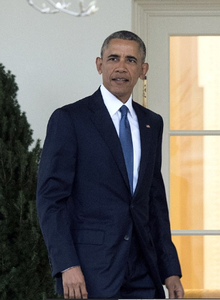
Image note: The uploaded image is treated only as an illustrative editorial visual. It is not used as evidence identifying the individuals shown or proving that they are directly connected to the 3,000-soldier deployment.
Comments (0)
Loading comments...
May You Like
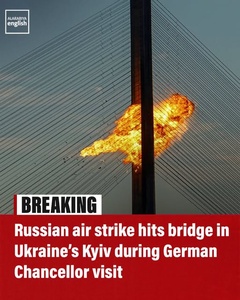
Russian Drone Strikes Kyiv Bridge as German Chancellor Arrives in Ukraine

Shocking news from Ohio: an unexpected development ahead of Trump's rally

Obama Steps Back Into the Political Spotlight as Democrats Target Trump’s Senate Majority