
WHAT'S HIDDEN IN TRUMP'S HEALTHCARE DEAL? TALKS WITH ABDUL EL-SAYED!
Trump's Healthcare Opening With Abdul El-Sayed Raises Questions About Funding, Private Insurance and Patient Costs
WASHINGTON — November 23, 2026 — President Donald Trump's decision to share a Democratic senator-elect's proposal for universal health coverage has opened an unexpected discussion about the future of American healthcare, exposing disagreements over government funding, private insurance and the financial consequences for patients.
Abdul El-Sayed, the incoming Democratic senator from Michigan, has offered to call a Medicare for All-style program “TrumpCare” if the president supports legislation guaranteeing healthcare coverage to every American.
Trump reposted the proposal on Truth Social on November 21 without adding an explicit endorsement.
The following day, El-Sayed told NBC's Meet the Press that he was willing to work with the president on legislation eliminating premiums, copayments and deductibles.
The exchange created a potential opening for bipartisan discussions.
But it also exposed a fundamental policy dispute: whether the federal government could finance universal coverage while allowing Americans to retain private insurance.
That question could determine whether the proposal becomes legislation or remains a political conversation.
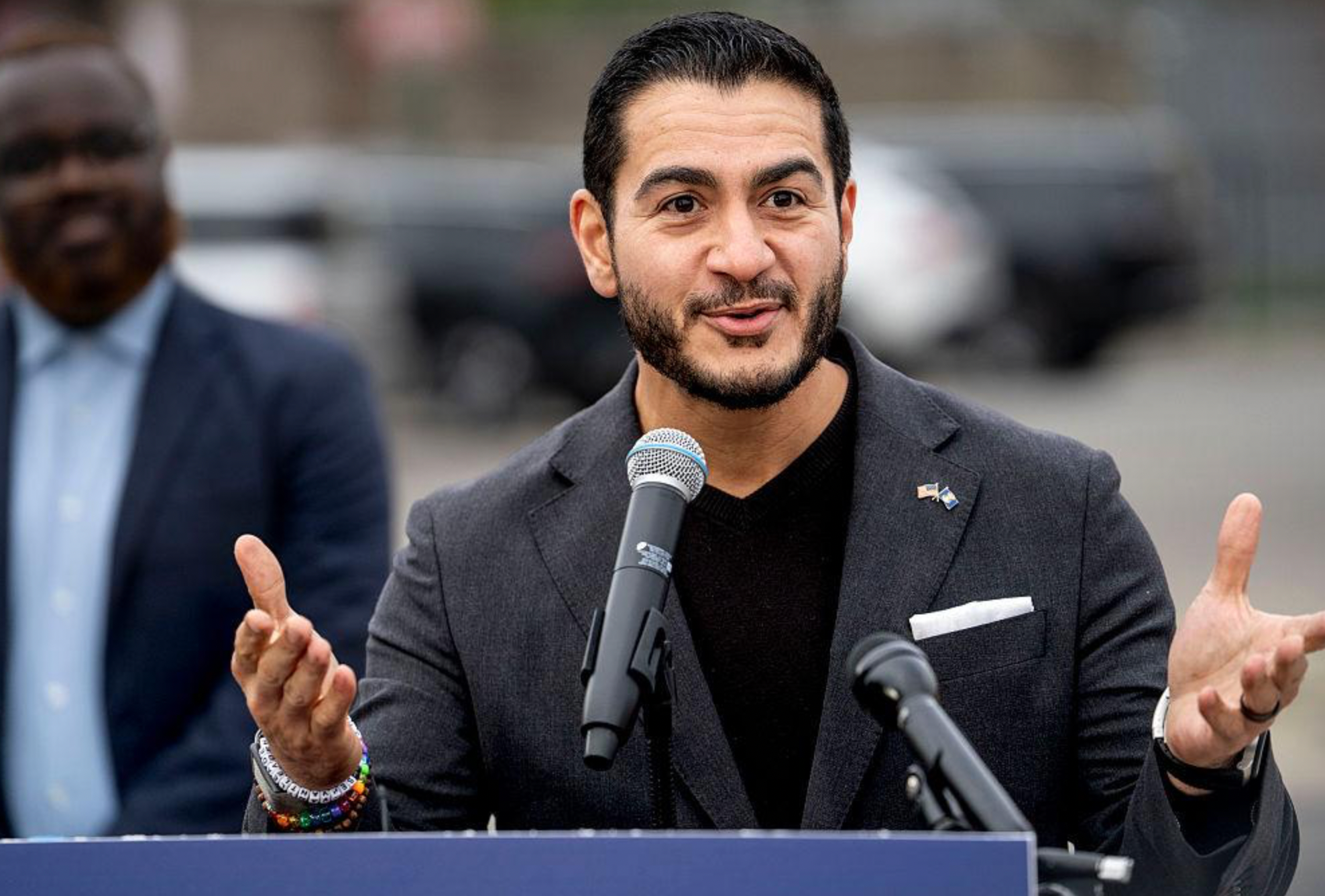
The idea emerged publicly after El-Sayed suggested that a universal healthcare program could carry Trump's name.
In a November 11 interview with CNN, the Michigan Democrat said he would accept the branding if it helped secure guaranteed coverage.
He argued that the name of the program was less important than its benefits.
The following day, he published a mock-up of a gold healthcare card labeled “TrumpCare.”
The accompanying message invited the president to support healthcare coverage from birth through the end of life.
Trump later shared the image on Truth Social.
The repost attracted attention because the president had not previously endorsed the Medicare for All model advocated by progressive Democrats.
However, sharing a proposal is not equivalent to agreeing to its policy details.
Trump has expressed a general willingness to discuss healthcare legislation with Democrats.
In remarks shown during Meet the Press, he said there was a possibility of achieving significant results on healthcare.
He also suggested that any agreement would need to combine elements acceptable to both parties.
Those comments did not amount to support for a specific Medicare for All bill.
Trump did not announce a financing plan.
He did not endorse eliminating private insurance.
Nor did he describe a legislative timetable for the proposal.
His repost of El-Sayed's gold card therefore represented a public acknowledgment of the idea, not a completed agreement.
The distinction is important because the eventual cost and structure of any program would depend on legislation that has not been negotiated.
During the November 22 interview, El-Sayed said he was prepared to work with Trump if the president supported guaranteed healthcare.
He described a system in which Americans could receive medical treatment without paying premiums, copayments or deductibles.
His argument focused on financial security.
Under his vision, people would not need to fear medical bills when seeking treatment.
El-Sayed said the opportunity could provide the president with a lasting political legacy.
He also acknowledged that the proposal would require substantial negotiations.
His comments were an invitation to discuss legislation.
They were not an announcement that the White House had accepted a specific program.
The details of financing, eligibility and insurance arrangements remain unsettled.
The most consequential disagreement concerns how universal healthcare would be financed.
Eliminating premiums and out-of-pocket charges does not eliminate the underlying cost of medical services.
Hospitals must still pay employees.
Doctors and nurses must be compensated.
Prescription drugs, medical equipment and treatment facilities require funding.
Under a government-financed model, more of those expenses would be paid through public revenue rather than directly by patients or private insurers.
That could change the distribution of costs among households, employers and taxpayers.
The effects would depend on tax policy, provider payment rates, covered benefits and the structure of the program.
No jointly negotiated Trump–El-Sayed financing provision has been released.
The funding dispute therefore concerns the design of a possible policy, not an authenticated secret clause.
For patients, the distinction between premiums and taxes is central.
A household currently paying monthly insurance premiums might see those payments reduced or eliminated under a universal public plan.
But the government would still need revenue to finance medical services.
Depending on the legislation, some households could pay more in taxes.
Others could experience lower overall healthcare costs.
The outcome would depend on income, employment, family size and healthcare use.
A proposal promising no copayments or deductibles therefore requires a complete financing analysis.
Without a detailed bill, it is not possible to determine which patients would save money or which would face higher total costs.
That uncertainty is one of the most important issues lawmakers would need to resolve.
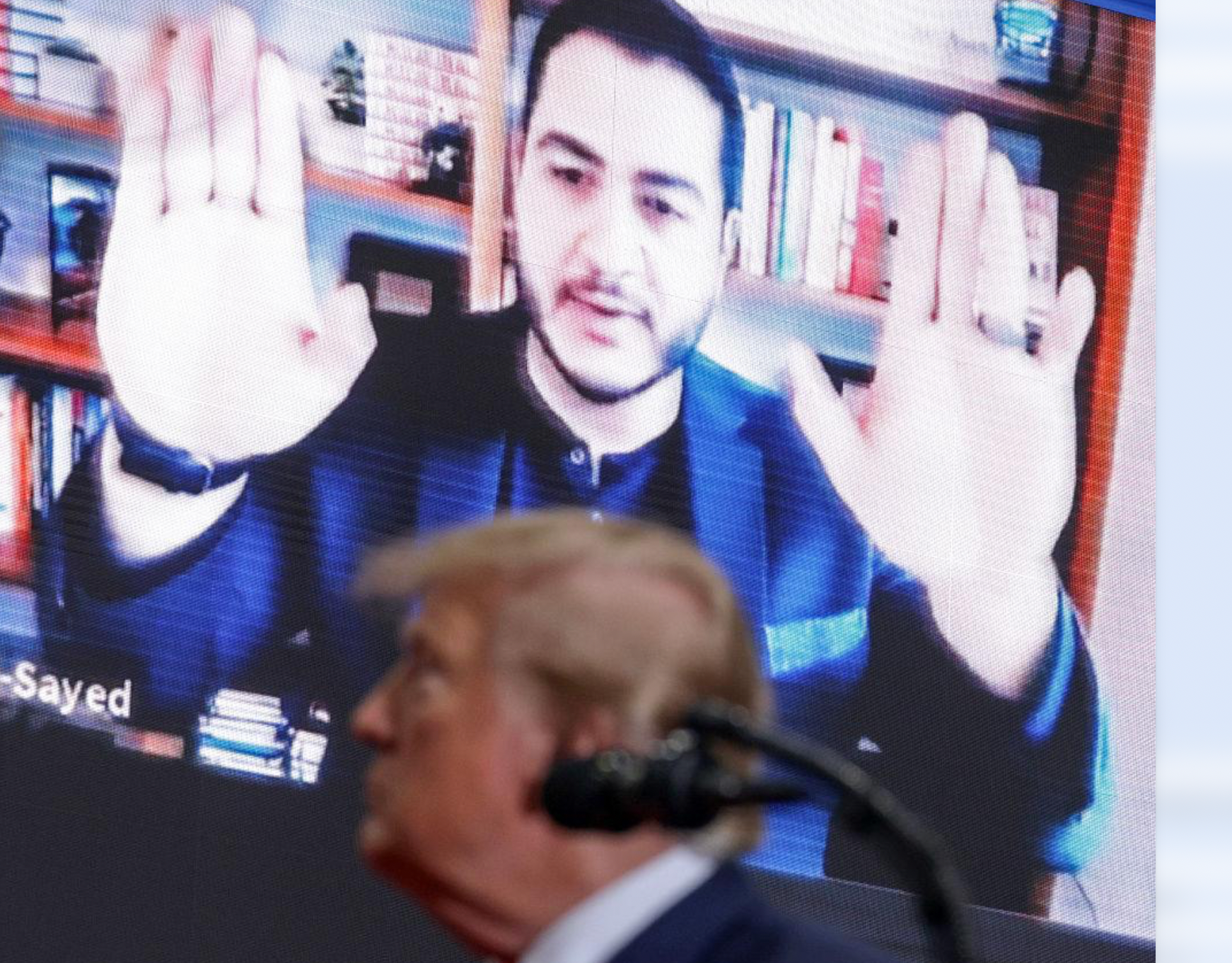
The gold card was a political illustration, not an actual government-issued insurance card.
It was intended to communicate the idea of guaranteed coverage in a recognizable format.
El-Sayed argued that every American should have access to medical care throughout life.
The proposed branding also sought to make the policy attractive to a president who has frequently attached his name to public initiatives.
Trump's decision to repost the image amplified the discussion.
But the card did not contain a detailed benefits schedule or financing mechanism.
It also did not establish that a new federal insurance program had been created.
The practical meaning of the proposal remains dependent on legislation and negotiations.
Medicare for All generally refers to proposals for a universal, publicly financed healthcare system.
Under traditional single-payer designs, the government becomes the principal insurer for covered medical services.
That differs from the current American system, which combines employer-sponsored insurance, individual private plans, Medicare, Medicaid and other programs.
A major transition could affect how insurance companies operate.
It could also change how hospitals and physicians receive payment.
Supporters argue that a universal system could simplify coverage and reduce financial barriers.
Critics question the costs, effects on private insurance and ability of government programs to manage such a large transition.
The exact consequences depend on the legislation.
El-Sayed's comments show that even supporters of Medicare for All disagree about how the final system should operate.
One of the clearest differences emerged when NBC host Kristen Welker asked El-Sayed about private insurance.
Senator Bernie Sanders has supported legislation that would replace most private insurance covering the same services.
El-Sayed said he supported Sanders' legislation but preferred a model in which public coverage would be guaranteed while private insurance could remain available.
He compared the idea to public education.
Families can use public schools while retaining the option of private schools.
Under his healthcare analogy, everyone would have access to a public insurance program.
Some people could still choose private alternatives.
That approach raises a difficult financing question: how would a universal public system operate if some people continued purchasing private coverage?
Republican Senator John Kennedy of Louisiana addressed the proposal during the same Meet the Press broadcast.
Kennedy said he supported improving healthcare but opposed replacing existing insurance arrangements with a government-run system.
He argued that the financing would not work under the model El-Sayed described.
Kennedy also raised concerns about the effect on Americans who receive insurance through employers.
His remarks illustrated the resistance the proposal could face among Republicans.
The disagreement was not simply over the program's name.
It concerned whether a universal government-backed system could coexist with private coverage without creating unsustainable costs.
Kennedy did not identify a secret funding clause.
He challenged the financial structure of the policy being discussed.
A universal public insurance program could be structured in several ways.
One approach would make government coverage the primary source of payment for most medical services.
Another could allow private plans to operate alongside public insurance.
The second model raises questions about how patients and insurers would be divided between systems.
If private insurers retained customers who used fewer medical services, the public program might face a higher concentration of expensive patients.
If public coverage attracted most people, private insurers could struggle to maintain their existing business models.
Lawmakers would also need to decide whether private insurance could duplicate publicly covered benefits or provide only additional services.
Those choices could significantly affect program costs.
El-Sayed has described his preferred direction, but no negotiated legislation establishes how it would operate.
Senator Bernie Sanders has spent years advocating Medicare for All.
His proposals have generally called for a national program covering a broad range of medical services.
Supporters argue that a single public insurer could reduce administrative complexity and negotiate lower healthcare prices.
They also emphasize the potential benefits of separating insurance coverage from employment.
Critics contend that a major transition could disrupt existing coverage and require substantial increases in federal spending.
Sanders has indicated that he intends to advance Medicare for All as Democrats prepare to assume control of Congress in January 2027.
His incoming role as chair of the Senate Health, Education, Labor and Pensions Committee could provide a platform for hearings and legislative discussions.
However, congressional hearings and committee proposals do not guarantee passage.
A bill would still require sufficient support in both chambers and the president's signature.
The proposal has also exposed differences within the Democratic Party.
El-Sayed supports a broad expansion of publicly guaranteed healthcare.
Sanders favors a comprehensive Medicare for All transition.
But House Democratic leader Hakeem Jeffries has not endorsed the same approach.
During El-Sayed's NBC interview, Welker highlighted Jeffries' opposition to Medicare for All.
That disagreement matters because Democrats are preparing to take control of Congress.
Control of the House and Senate can create opportunities to introduce legislation.
It does not ensure that lawmakers agree on the contents.
Some Democrats may prefer strengthening existing insurance programs rather than replacing them.
Others may support a public insurance option that competes with private plans.
Those differences could become central to negotiations even before Republicans are asked to support a bill.
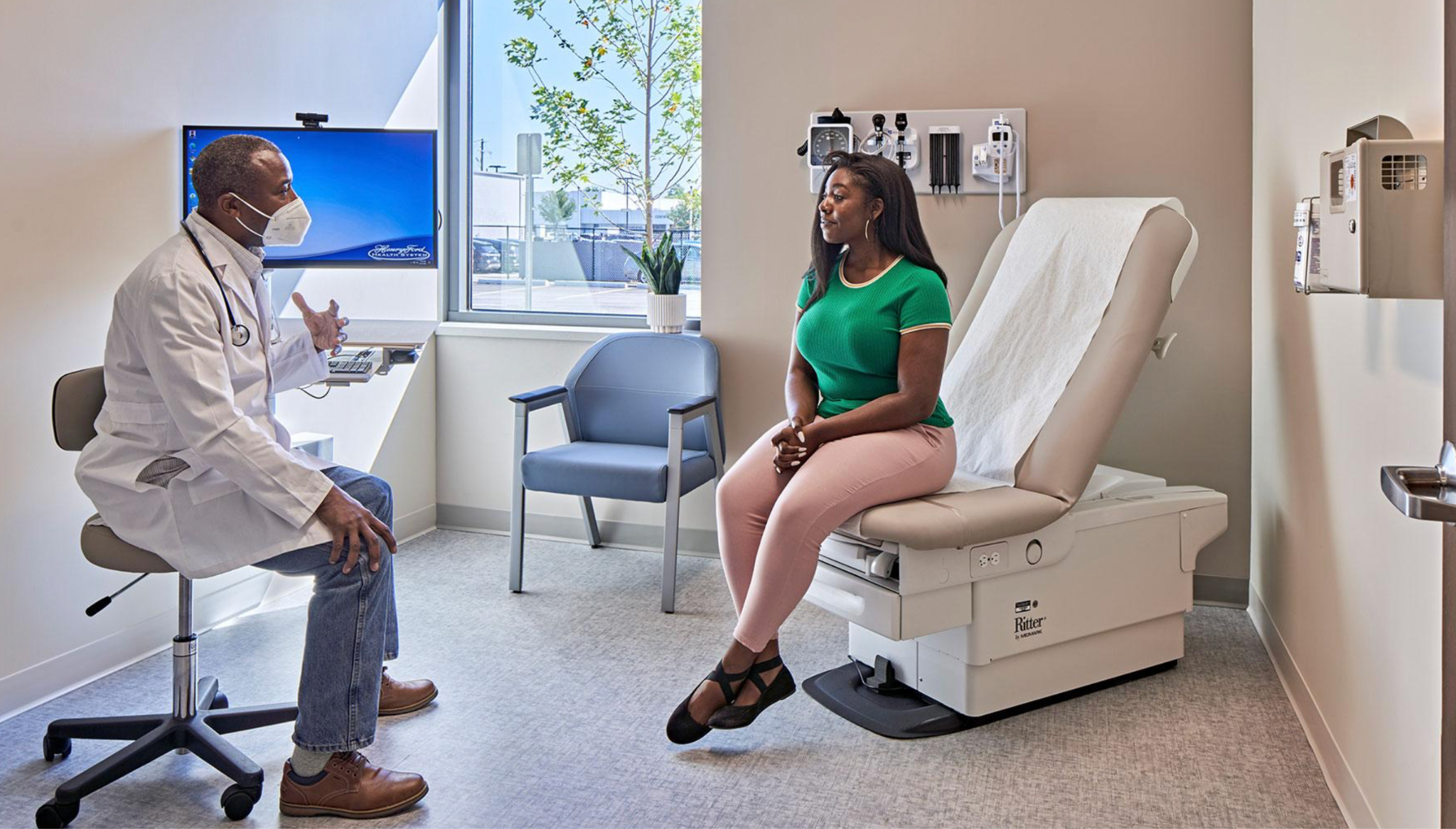
Employer-sponsored insurance is a major component of the American healthcare system.
Millions of workers and family members obtain coverage through workplace benefit plans.
Employers often contribute to premiums, while employees pay the remaining share.
A universal public program could change those arrangements.
Some proposals would replace much of employer-sponsored insurance with government coverage.
Others would allow employers to continue offering private plans.
Each approach has different implications for wages, benefits and business costs.
If employer premiums were eliminated, lawmakers would need to determine how the resulting savings and new tax obligations would be distributed.
The effects would not necessarily be identical for every employer or employee.
That is why the private-insurance question is inseparable from the funding debate.
A publicly financed healthcare system would need reliable revenue.
One possible financing approach would involve taxes on employers.
Another could involve household income taxes, payroll taxes or other federal revenue.
Past Medicare for All discussions have considered several mechanisms.
But no specific employer tax has been jointly endorsed by Trump and El-Sayed.
The distinction matters because a tax proposal can affect businesses differently depending on payroll, profitability and existing healthcare spending.
A company currently paying substantial employee health premiums might experience savings if those obligations disappeared.
Whether those savings exceeded any new tax would depend on the legislation.
Small businesses and large employers could face different outcomes.
Without a published financing framework, the net effect cannot be calculated reliably.
Traditional Medicare primarily serves Americans aged 65 and older, along with certain younger people who qualify through disability or specific medical conditions.
A Medicare for All proposal would expand the principle of public coverage to a much larger population.
But expanding eligibility is not the same as simply issuing current Medicare cards to everyone.
Lawmakers would need to define benefits, payment rates and administrative procedures.
They would also need to decide how existing Medicare arrangements would change.
Questions involving Medicare Advantage and supplemental insurance could become particularly important.
Patients who currently use these plans would want to know whether their doctors, benefits and networks would remain available.
El-Sayed's proposal emphasizes universal access.
It does not yet provide detailed answers to these transition questions.
Medicaid provides health coverage to eligible low-income individuals and families, along with other qualifying populations.
It is financed jointly by federal and state governments.
A universal federal program could change the relationship between Medicaid and other forms of insurance.
Lawmakers would need to determine which Medicaid benefits would be included.
Long-term care services, disability-related supports and other specialized benefits would require particular attention.
States would also need clarity about their future responsibilities.
A federal program could simplify some coverage arrangements while creating complex transition issues.
The outcome would depend on the legislation's design.
No Trump–El-Sayed agreement has established how Medicaid would be integrated into a universal system.
That leaves another major financing and administrative question unresolved.
El-Sayed has made medical debt a central part of his case for universal coverage.
During his NBC appearance, he cited approximately $225 billion in medical debt.
He argued that patients should not face financial distress simply because they need medical treatment.
The broader concern is well documented: medical expenses can create substantial financial pressure, including for people who have insurance.
However, estimates of national medical debt vary depending on the data and methodology used.
Some studies examine unpaid bills reported to credit agencies.
Others use surveys or broader definitions of healthcare-related debt.
The $225 billion figure should therefore be understood as an estimate cited by El-Sayed, not a verified total established by the proposed legislation.
Reducing medical debt would be a policy objective.
Its actual effect would depend on the benefits and financing rules adopted.
A deductible is the amount a patient generally must pay for covered services before certain insurance benefits begin.
Copayments are fixed charges associated with particular services.
Coinsurance requires patients to pay a percentage of covered expenses.
These payments can influence whether people seek treatment.
El-Sayed's proposal would eliminate such charges for services covered by the universal program.
That could reduce immediate financial barriers for patients.
But it would also change how healthcare spending is financed.
The cost would need to be covered through the public system.
Lawmakers would therefore need to consider how removing patient charges might affect demand for services and overall expenditure.
The proposal identifies a desired patient benefit without yet establishing the full fiscal mechanism.

A major source of disagreement concerns the prices paid for healthcare services.
Hospitals, physicians, drug manufacturers and insurers negotiate or establish payments under different arrangements.
A publicly financed system could potentially use government purchasing power to negotiate or set prices.
Supporters argue that this might reduce administrative spending and overall costs.
Critics warn that lower reimbursement rates could create financial pressure for some providers.
The impact would depend on the payment levels chosen.
Rural hospitals and facilities serving large numbers of high-need patients could face particular challenges if reimbursement changed substantially.
A complete proposal would need to address those concerns.
Simply eliminating premiums would not resolve the underlying question of how much hospitals and doctors should be paid.
For many Americans, the ability to continue seeing familiar healthcare professionals is a central concern.
Insurance changes can affect provider networks, referrals and access to specialists.
A universal program could potentially reduce some restrictions associated with private insurance networks.
But the outcome would depend on which providers participated and how reimbursement was structured.
If a proposed payment system were unacceptable to some providers, access could be affected.
If participation were broad, patients might have greater flexibility.
Neither outcome can be guaranteed without specific rules.
El-Sayed has emphasized guaranteed access to healthcare.
The proposal has not yet established detailed provider-participation requirements.
That is one reason patients would need to examine the actual legislation rather than relying on the program's name.
The White House has previously criticized Medicare for All as a form of government control over healthcare.
Administration statements have argued that such proposals could reduce choice and disrupt existing insurance.
Trump has also emphasized policies intended to lower prescription drug prices.
Those positions create a significant difference between the administration's established approach and El-Sayed's proposal.
Trump's decision to share the gold-card image did not formally reverse the White House's previous objections.
It also did not resolve the administration's concerns about costs or private coverage.
Any negotiations would need to address these differences.
The president's general openness to healthcare cooperation leaves room for discussion, but it does not establish agreement on the underlying policy.
The incoming Congress could provide a new opportunity for healthcare negotiations.
Democrats are preparing to control both chambers following the November midterm elections.
However, passing a major healthcare overhaul would still require agreement among lawmakers with different priorities.
The Senate's procedural rules could present additional obstacles.
Some legislation may require support beyond a simple majority unless it qualifies for special budget procedures or lawmakers change applicable rules.
A comprehensive healthcare proposal could also involve multiple congressional committees.
Those committees would examine spending, taxation, insurance regulation and provider payments.
Even if Trump supported the general objective, legislators would need to agree on the specific provisions.
The president's willingness to discuss a proposal would not by itself guarantee enough votes for passage.
The public disagreement concerns the program's structure rather than a documented hidden clause.
Kennedy has questioned whether a universal public insurance system can coexist with private coverage under the financing approach El-Sayed favors.
Jeffries has not endorsed Medicare for All.
Sanders supports a more comprehensive single-payer transition.
These positions reveal substantial differences among lawmakers who could influence negotiations.
The questions are practical as well as ideological.
Who would pay the taxes?
What would happen to employer insurance?
Would hospitals receive different reimbursement rates?
Could private insurance continue offering the same benefits as public coverage?
Would patients experience lower total healthcare costs?
No public agreement has resolved these issues.
A comprehensive Medicare for All bill is not the only possible outcome of bipartisan discussions.
Lawmakers could instead pursue narrower measures.
Those might involve prescription drug prices, insurance affordability, medical billing or changes to existing federal programs.
Trump has expressed interest in improving healthcare, while El-Sayed has emphasized universal coverage.
Those goals overlap in some areas but differ substantially in scope.
A narrower agreement might avoid some of the most difficult questions surrounding a complete system replacement.
However, no specific compromise has been announced.
There is also no evidence that the president and El-Sayed have settled on a smaller legislative package.
The direction of any negotiations remains open.
During the November 22 Meet the Press interview, El-Sayed was asked whether he planned to meet with Trump or Vice President JD Vance.
He said plans were being developed.
He also emphasized his willingness to speak with political leaders who were prepared to work on healthcare.
That response suggested interest in direct discussions.
It did not establish that a meeting had already occurred.
Nor did it identify a date, location or agreed agenda.
The White House had not publicly confirmed a negotiated healthcare agreement.
The next meaningful development would be an announced meeting, a joint policy framework or a legislative proposal.
Until then, the exchange remains a public invitation rather than a completed negotiation.
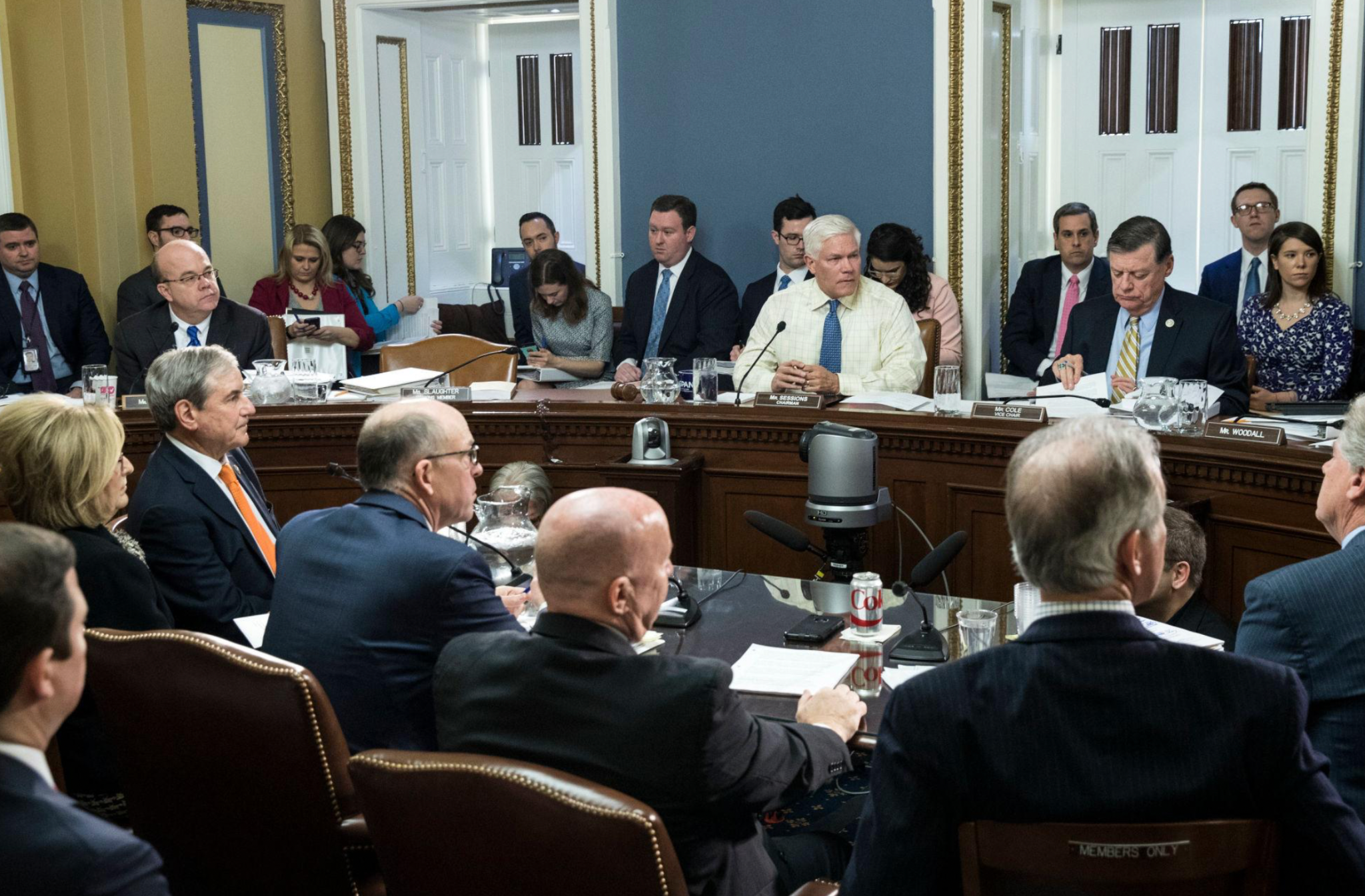
The discussion has attracted attention because it brings together two political figures with different policy backgrounds.
Trump is a Republican president who has previously opposed major Democratic healthcare proposals.
El-Sayed is a progressive Democrat elected on a platform that includes Medicare for All.
Their public exchange therefore represents an unusual opening for discussion.
But political symbolism does not determine legislative outcomes.
The program's financial and administrative details would ultimately matter more than its name.
A bill would need to specify benefits, funding sources, eligibility and implementation procedures.
Lawmakers would then have to assess the consequences for patients, employers, healthcare providers and taxpayers.
Those details remain to be negotiated.
For patients, the most important future development would be a published legislative framework.
Such a document could explain whether premiums would be eliminated.
It could identify any proposed tax changes.
It might also describe how private insurance, Medicare and Medicaid would operate.
Patients would need information about provider networks, prescription coverage and out-of-pocket expenses.
Employers would want to understand their financial obligations.
Hospitals would examine proposed payment rates.
Without those details, the financial consequences cannot be reliably assessed.
A political promise of universal coverage is an objective.
A legislative proposal must explain how that objective would be achieved.
The distinction will determine whether the discussion produces a workable policy.
The central dispute is not over whether healthcare costs money.
Both supporters and critics recognize that medical services require substantial resources.
The disagreement concerns how those costs should be collected, distributed and controlled.
El-Sayed wants to remove premiums and out-of-pocket charges from the patient's experience.
Kennedy argues that the financial structure of such a system is problematic, particularly if private insurance remains available.
Sanders supports a more comprehensive single-payer approach.
Other Democratic leaders have not endorsed the same model.
Trump has expressed general openness to healthcare cooperation but has not accepted a detailed financing proposal.
These differences are significant because they affect the design of any future legislation.
They also explain why a seemingly simple promise of guaranteed healthcare can generate complex negotiations.
El-Sayed is scheduled to take office in January 2027.
He has indicated that he wants to pursue conversations with the administration and other lawmakers.
Sanders is preparing to use his Senate committee leadership role to advance discussion of Medicare for All.
Trump has signaled that he is willing to consider healthcare cooperation, although the administration has not endorsed El-Sayed's proposal.
The next stage may involve meetings, committee discussions or competing legislative plans.
Any serious proposal would need to address funding, private insurance and the cost of medical services.
Until those details are published, there is no basis for identifying a secret provision or calculating its effect on individual patients.
The public exchange between Trump and El-Sayed has created an unexpected opportunity to discuss universal healthcare.
The Michigan senator-elect offered to attach the president's name to a program guaranteeing coverage throughout life.
Trump shared the proposal publicly.
That question remains unanswered.
The outcome will depend on whether political interest develops into detailed legislation—and whether lawmakers can agree on who pays, who receives coverage and how medical providers are compensated.
Comments (0)
Loading comments...
May You Like

IOWA MILITARY EMERGENCY: 51 TONS OF UNSTABLE SUSPECTED BIOWEAPON WASTE FOUND AFTER 5-TON BLAST!

TRUMP'S NVIDIA STOCK DEALINGS — IS THERE ANY TRUTH TO THE $14 MILLION PROFIT CLAIM?

TRUMP CALLED FOR KIMMEL’S FIRING—THE FCC ACTED THE VERY NEXT DAY












