
WHITE HOUSE CYBER SHAKEUP TRIGGERS FIGHT OVER NSA OUTAGE AND RESPONSIBILITY
WASHINGTON — NOV 20, 2026 — A change in the White House’s top cybersecurity post has triggered a confrontation over who should control the federal response to a wave of technology disruptions.
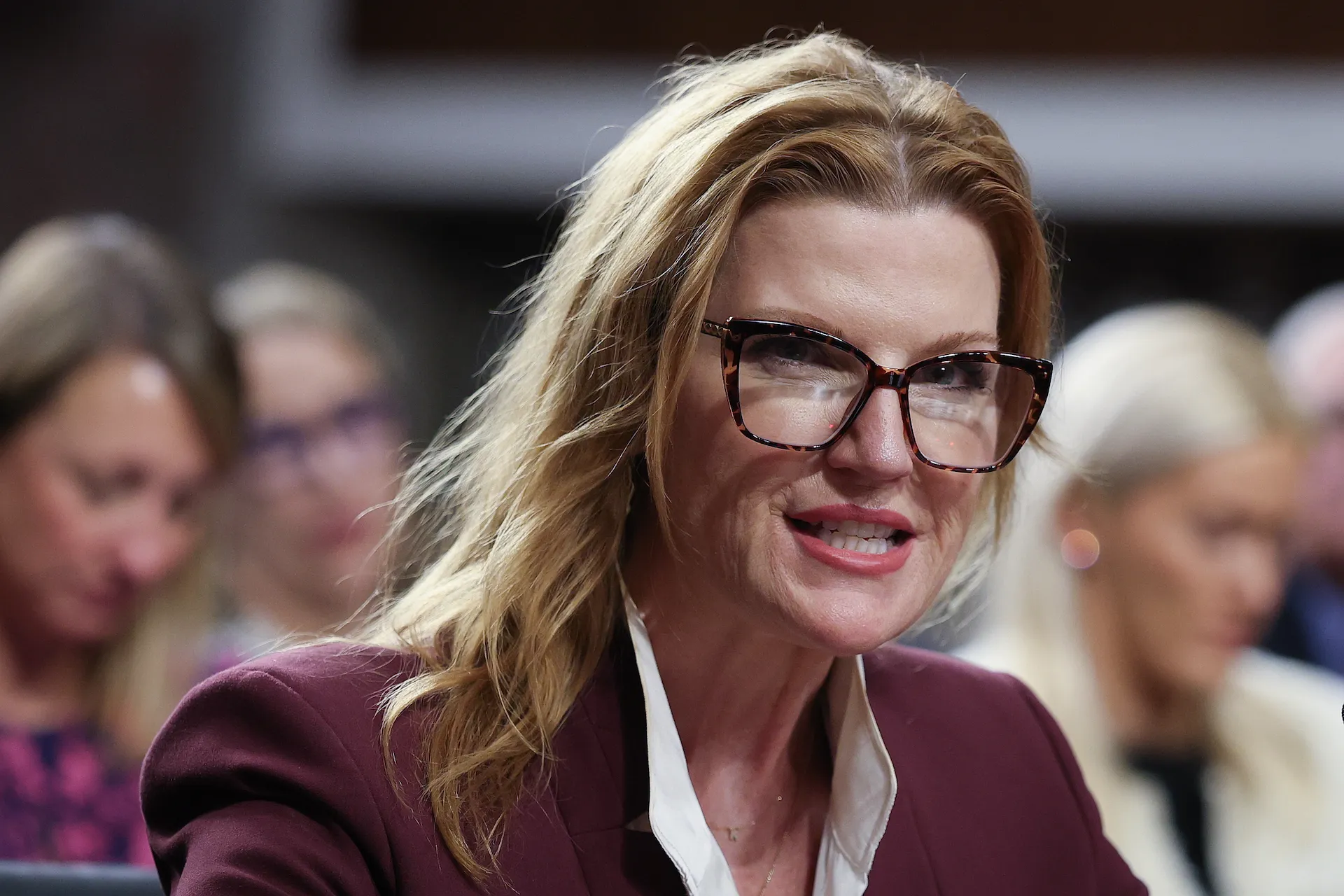
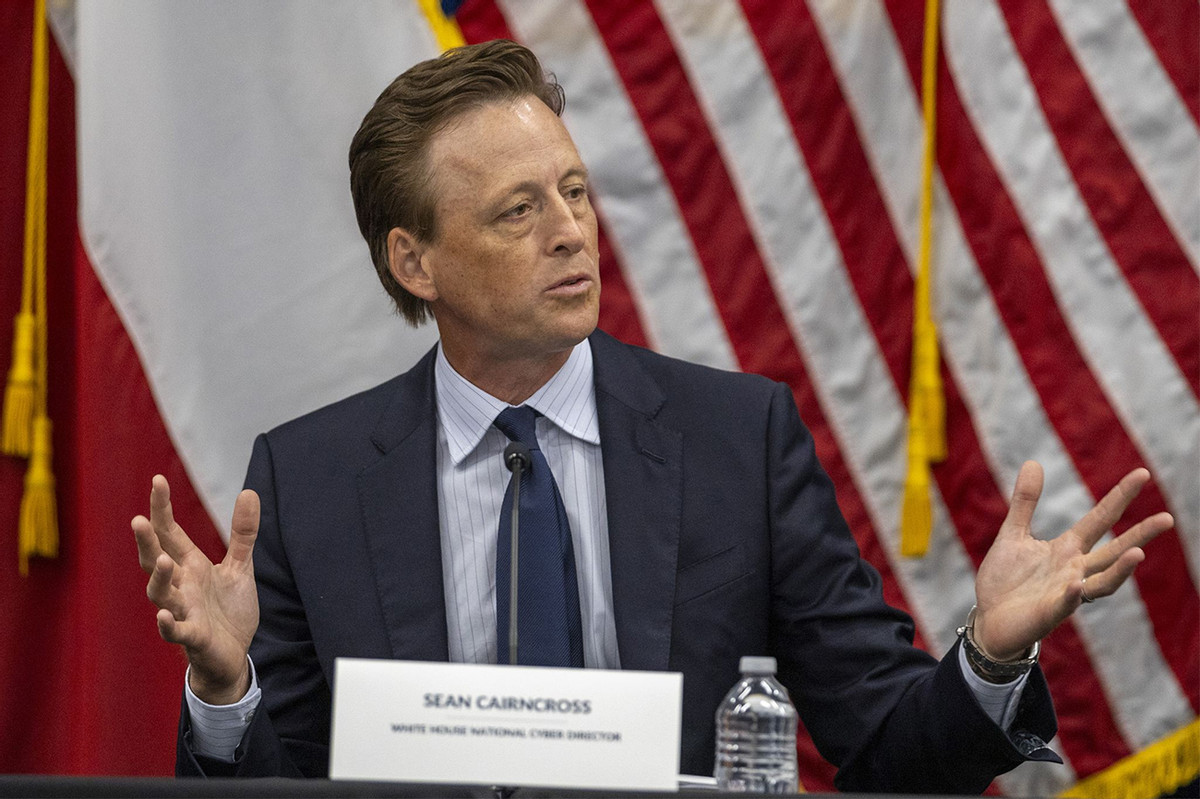
Sean Cairncross has left the national cyber director’s position, and Kirsten Davies is taking over after serving as the Pentagon’s chief information officer during a period of heightened public concern.
The transition has placed Davies at the center of a dispute involving lawmakers who want explanations about the government’s readiness and its approach to protecting critical systems.
The Office of the National Cyber Director advises the president on cybersecurity strategy and coordinates policy across federal agencies that operate different networks and have different responsibilities.
That role requires cooperation with departments responsible for national security, transportation and other essential services, as well as communication with private companies that operate major systems.
One of the recent disruptions affected an internal classified communications network used by the National Security Agency, drawing attention because intelligence employees depend on secure access to information.
The agency described a temporary degradation during scheduled maintenance and said mission-critical capabilities remained operational, while officials reviewed the interruption and its effects on staff.
Separate disruptions affected financial services, air travel and communications, increasing pressure on the administration to explain what happened and how essential services could recover more quickly as customers and travelers struggled to determine when normal access and operations would resume.
The leadership change came as federal officials were considering how to coordinate cyber policy and respond to questions about aging technology and the reliability of critical infrastructure.
Davies arrived with experience overseeing information technology and cybersecurity at the Pentagon, giving her a technical background relevant to the government’s modernization efforts.
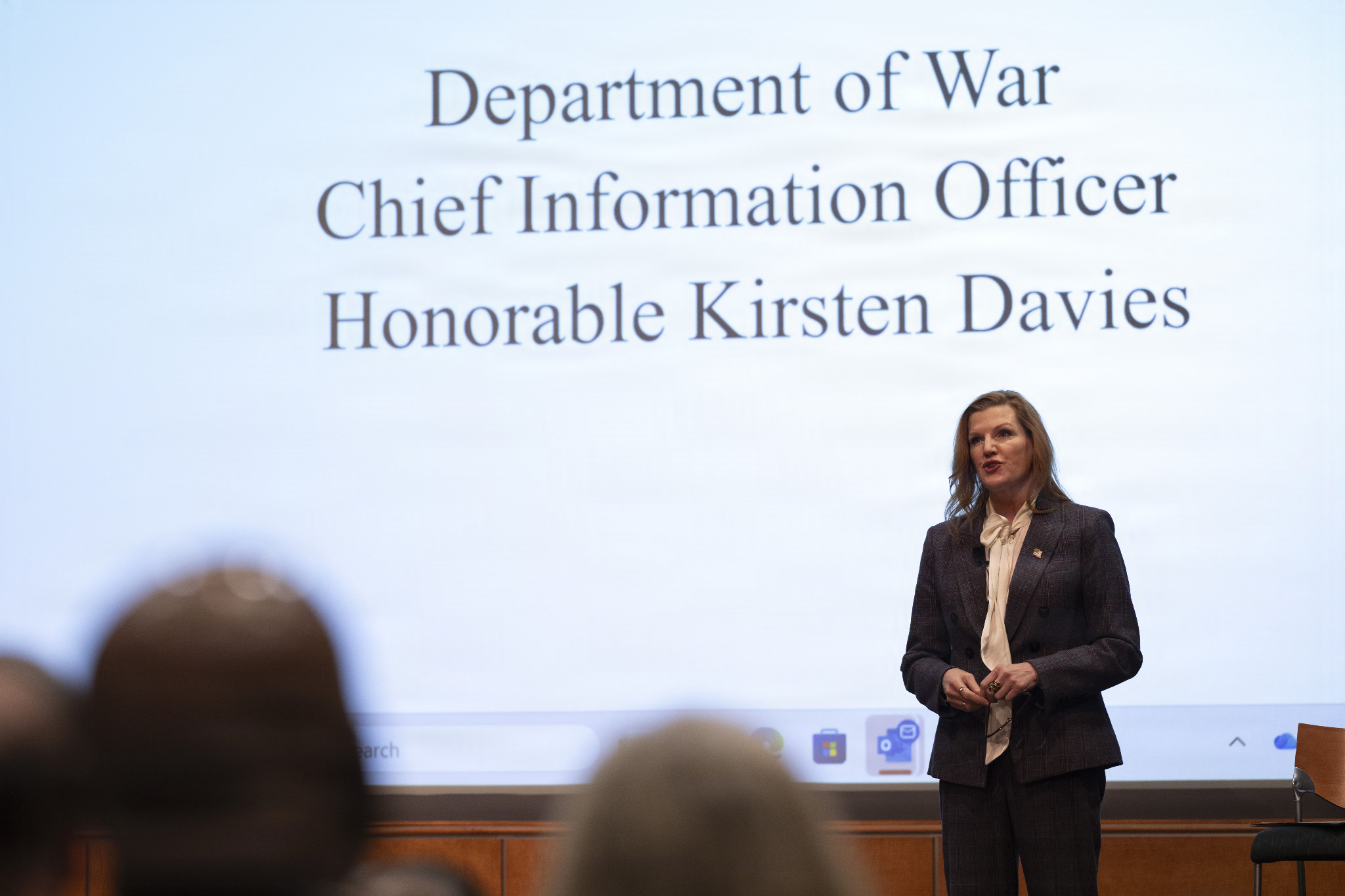
Her new responsibilities also place her between executive agencies that manage sensitive systems and congressional committees that oversee budgets, appointments and national security policy.
Lawmakers from both parties requested a closed briefing with Davies to examine the disruptions, the transition between directors and the procedures used to share information with Congress.
The requested briefing would cover the timing of the NSA network problem, the status of restoration efforts and the division of responsibilities among agencies during a major outage.
Committee members also sought a written account of decisions about federal cybersecurity priorities and a schedule for reporting future incidents to the lawmakers responsible for oversight.
The disagreement sharpened when members proposed making Davies report regularly on competing requests for cybersecurity funds before the administration completed its next budget proposal.
Some lawmakers argued that independent reporting would help Congress compare agency needs and protect essential systems, while others pressed for a public hearing before any major funding decisions.

Behind the requests was a struggle over which committees would shape the government’s cyber priorities and which members could claim leadership over the response before the next budget cycle.
In the closed briefing, Davies told lawmakers that technical reviews and funding decisions should be considered separately, and she offered a timetable for updates to the relevant committees.
The lawmakers’ immediate motive was to gain a stronger role in setting priorities and securing oversight during the leadership transition, alongside their stated interest in understanding the disruptions.
Davies agreed to provide follow-up briefings, leaving Congress and the White House to negotiate how much information would be shared and who would lead the funding debate.
Comments (0)
Loading comments...
May You Like

ELON MUSK’S $18 BILLION SPACEX STOCK GIFT FOR EVERY AMERICAN CHILD

PENTAGON'S PATRIOT MISSILE DELAY — A MAJOR SETBACK FOR UKRAINE'S AIR DEFENSE?

CARIBBEAN PRINCESS: 5,000+ ABOARD, UNKNOWN VIRUS—CHINESE PASSENGER IS FIRST KNOWN CASE!













