Lavrov’s Trump Surprise: Why Russia Is Welcoming Parts of Washington’s Ukraine Position
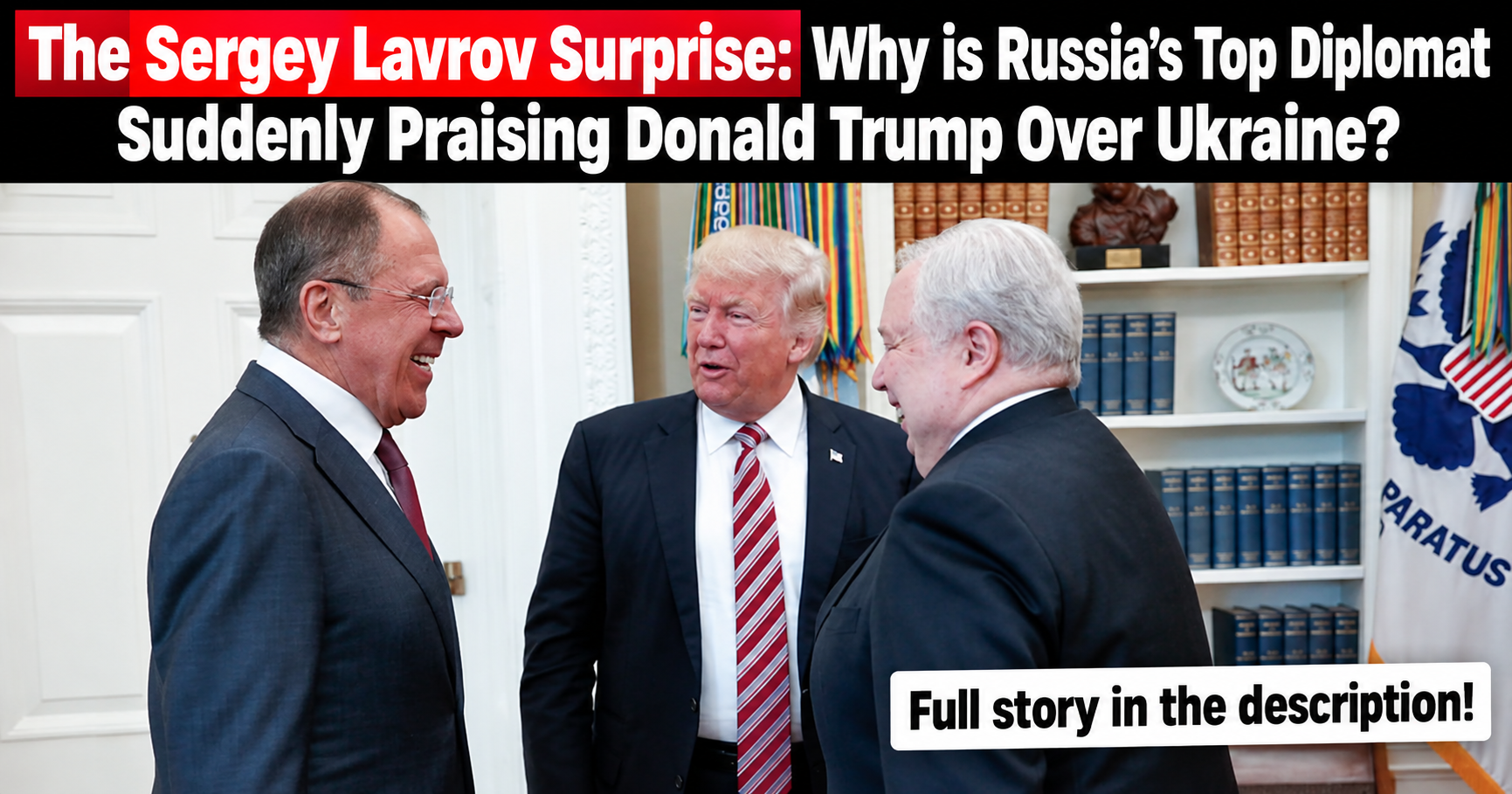
A recent image circulating online asks why Russian Foreign Minister Sergey Lavrov is “suddenly praising” Donald Trump over Ukraine. The underlying story is more complicated: Lavrov has publicly welcomed several elements of the Trump administration’s approach to negotiations, particularly Washington’s willingness to discuss what Moscow calls the “realities on the ground” and Ukraine’s future relationship with NATO.
But that does not mean Russia and the United States have reached an agreement on Ukraine. Moscow continues to state positions that Kyiv rejects, while fighting continues on the ground.


The key Lavrov comments came on September 8
In a September 8 interview with Russia's Channel One, Lavrov discussed the September 5 meeting between Russian President Vladimir Putin and U.S. envoys Steve Witkoff and Jared Kushner.
Lavrov said the substance of the discussions was based on positions Trump had outlined on Ukraine. He identified two elements that Moscow views positively: opposition to bringing Ukraine into NATO and recognition of what Washington describes as the realities of the situation on the ground.
Lavrov said Russia regarded that approach positively and that it provided a basis for continued dialogue with Washington.
That is likely the source of the “Lavrov is praising Trump” framing in the viral graphic.
However, it is important to distinguish praise for specific elements of U.S. policy from an overall endorsement of Trump's Ukraine strategy.
Why Moscow is interested in Trump’s approach
The September diplomatic contacts are significant because Washington has been trying to restart negotiations after previous efforts stalled.
On September 5, Witkoff and Kushner met Putin in Moscow. They subsequently traveled to Kyiv and met Ukrainian President Volodymyr Zelenskyy on September 6. The White House described the trip as part of continuing dialogue aimed at ending the Russia-Ukraine war.
Zelenskyy subsequently said Ukraine was grateful to Trump and his envoys for helping restart the negotiating process, while emphasizing that negotiations themselves remained necessary to end the war.
The sequence is notable:
Washington → Moscow → Kyiv
Rather than treating the diplomatic channel as exclusively a U.S.-Russia process, Trump's envoys carried the discussions to both sides.
Lavrov's message was about Trump's negotiating framework
Lavrov's remarks went further than simply saying that Russia was willing to talk.
He argued that the U.S. position recognizes circumstances that Moscow considers fundamental to a settlement, including opposition to Ukrainian NATO membership and recognition of conditions created by the war.
Moscow interprets “realities on the ground” in a way that goes beyond simply freezing the current front line. Lavrov linked the concept to Russian claims concerning Crimea and the Ukrainian regions that Russia has claimed to annex.
Those claims remain highly disputed and are not accepted by Ukraine or much of the international community.
This distinction matters because a statement that Washington is willing to discuss territorial realities is not the same thing as an agreement by Ukraine or the United States to recognize Russia's territorial claims.


Moscow is also sending another message: Russia says it is ready to negotiate
Lavrov's more recent statements have continued to emphasize Russia's willingness to resume negotiations.
On September 15, he said Moscow had never refused negotiations and suggested talks could resume if the other side was ready. At the same time, he blamed the United States for what he described as the collapse of previous understandings associated with the 2025 Trump-Putin meeting in Anchorage. Those claims about an “Anchorage agreement” have been disputed by U.S. officials.
This creates an important contradiction in the messaging.
Russia is simultaneously presenting itself as open to negotiations while maintaining major political and territorial demands.
The Institute for the Study of War noted on September 15 that Lavrov had also reiterated Russia's longstanding war aims and that Moscow had not fundamentally changed its position.
Trump is pushing for an energy ceasefire
Another reason Lavrov's comments are attracting attention is Trump's recent effort to establish at least a limited ceasefire involving energy infrastructure.
Trump said Russia and Ukraine had agreed to stop attacking each other's energy targets. But Ukraine subsequently described the proposal as an opportunity for de-escalation rather than a fully implemented agreement, while attacks continued.
The Kremlin welcomed Trump's proposal but attached additional conditions, including issues surrounding sanctions and commercial shipping.
So even where Washington, Moscow and Kyiv appear to be discussing the same proposal, they do not necessarily attach the same meaning or conditions to it.
Ukraine has welcomed the diplomatic channel — but not Moscow's terms
Kyiv has publicly supported the continuation of negotiations.
Zelenskyy said after meeting Witkoff and Kushner that it was better to have diplomatic formats available than to have none at all.
At the same time, Ukraine continues to reject the idea that negotiations should simply amount to accepting Russia's territorial demands.
That difference is central to understanding why the latest diplomacy has not yet produced a comprehensive peace agreement.
The basic disagreement remains:
- Washington: push both sides toward negotiations and incremental de-escalation.
- Moscow: negotiate while maintaining its stated security and territorial demands.
- Kyiv: participate in negotiations while seeking security guarantees and rejecting a settlement imposed through territorial concessions.
These positions can overlap on the need for diplomacy without producing agreement on the final settlement.
The battlefield has not stopped while diplomacy continues
The diplomatic activity should not be mistaken for the end of the war.
On September 16, Ukrainian and Russian forces were still conducting attacks, including Russian strikes against Ukrainian civilian and transport infrastructure. AP reported that a Russian drone strike on a passenger minibus in Ukraine's Dnipropetrovsk region killed five people and injured at least seven.
The Institute for the Study of War also reported continued fighting and Ukrainian counteroffensive activity around the Lyman area while negotiations were being discussed.
In other words, diplomacy and military operations are happening simultaneously.
What the viral image gets right — and what it leaves out
The headline asks:
“Why is Russia's Top Diplomat Suddenly Praising Donald Trump Over Ukraine?”
There is a real basis for the question. Lavrov has explicitly described parts of Trump's Ukraine approach positively and said that Moscow views those elements as a reason to continue dialogue.
But the image leaves out several important details.
1. The photograph is not evidence of a new meeting
The image uses a photograph from Trump's first administration showing Trump and Lavrov together in the Oval Office. It should not be interpreted as a photograph from the current 2026 negotiations.
2. Lavrov is praising specific policy positions
His comments focused on particular elements of Trump's approach, especially NATO and what Moscow calls recognition of realities on the ground.
That is different from saying that Russia agrees with every aspect of Trump's policy.
3. Russia's demands remain substantial
Lavrov has continued to defend Moscow's longstanding objectives and has blamed Western governments for disrupting previous negotiations.
4. No comprehensive peace agreement has been announced
The September diplomatic contacts have restarted channels between Washington, Moscow and Kyiv, but they have not produced a final settlement.


Why Lavrov's language matters
Lavrov's comments are significant because they show that Moscow sees an opening in Trump's current diplomatic strategy.
But they should be read alongside his other statements rather than in isolation.
Russia is signaling that certain elements of Washington's position make continued talks worthwhile. Ukraine is also maintaining a diplomatic channel with Washington. And Trump is attempting to use limited ceasefire proposals as possible stepping stones toward a broader settlement.
At the same time, the fundamental disagreements over territory, Ukraine's security arrangements, sanctions and Russia's broader war objectives remain unresolved.
The bigger picture
The most accurate reading of the viral headline is therefore not that Russia has suddenly “switched sides” or that a Trump-Russia agreement has been reached.
Instead, Lavrov is publicly identifying areas of Trump's Ukraine policy that Moscow considers compatible with Russian interests — while Russia continues to defend its own broader negotiating demands.
That makes the latest diplomacy important, but it also explains why the path from positive statements to an actual peace agreement remains uncertain.
Suggested SEO Setup
SEO Title:
Lavrov Praises Trump’s Ukraine Approach as Russia Signals Openness to Talks
Alternative Headline:
Lavrov’s Trump Surprise: Why Moscow Is Welcoming Parts of Trump’s Ukraine Strategy
Meta Description:
Sergey Lavrov has praised key elements of Donald Trump’s Ukraine approach as Moscow signals readiness for renewed negotiations, but major disputes remain.
Slug:lavrov-trump-ukraine-russia-peace-talks
Category:
World News / Russia-Ukraine War
Tags:
Sergey Lavrov, Donald Trump, Russia, Ukraine, Vladimir Putin, Steve Witkoff, Jared Kushner, Ukraine War, Peace Talks, U.S.-Russia Relations
Comments (0)
Loading comments...
May You Like

Obama Steps Back Into the Political Spotlight as Democrats Target Trump’s

Shocking news from Ohio: an unexpected development ahead of Trump's rally

Shocking news from Ohio: an unexpected development ahead of Trump's rally