
WWE BRONSON REED DEAD AT 38, STIMULANTS DETECTED, $10M INSURANCE PAYOUT FROZEN!
November 28, 2026 — The death of Australian professional wrestler Jermaine Haley, known to millions of WWE fans as Bronson Reed, has brought renewed attention to the medical and financial vulnerabilities facing professional athletes after serious injuries, following the announcement that the internationally recognized performer died at the age of 38.
WWE confirmed his passing on Friday, approximately three weeks after his final appearance at Crown Jewel in Saudi Arabia. His death followed a period of reported hospitalization, medical treatment and recovery that had kept him away from professional wrestling.
According to Reuters and ABC News, WWE attributed Haley's death to medical complications without identifying the precise medical condition responsible. The company also expressed condolences to his family, friends, colleagues and supporters.
The announcement has prompted questions about the circumstances surrounding his final weeks, the challenges of recovering from serious athletic injuries and the financial protections available to families when a professional athlete dies unexpectedly.

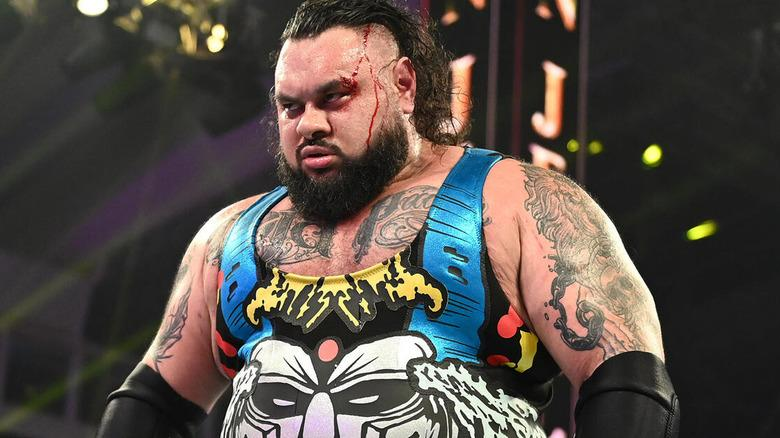
For wrestling audiences across the United States and Australia, Bronson Reed had become one of WWE's most recognizable heavyweight performers. His combination of physical strength, athletic mobility and distinctive personality helped establish him among the company's prominent competitors.
Born in South Australia, Haley developed an interest in professional wrestling during childhood. In an interview with Australia's ABC in October 2025, he recalled spending time wrestling with friends in his living room and backyard before eventually pursuing a professional career.
His journey from Australia to the international wrestling industry required years of training, competition and professional development. WWE provided a global platform on which he could demonstrate abilities that distinguished him from many other heavyweight performers.
Reed made his WWE debut in 2019 and subsequently became the NXT North American Champion. His achievements also included winning the André the Giant Memorial Battle Royal in 2024, further establishing his reputation among wrestling audiences.
Behind those accomplishments, however, was a profession that placed substantial physical demands on its participants. Maintaining the strength, coordination and endurance necessary for regular performances requires continued conditioning and careful management of injuries.
The medical difficulties that emerged during Reed's career eventually became an important part of his professional story.
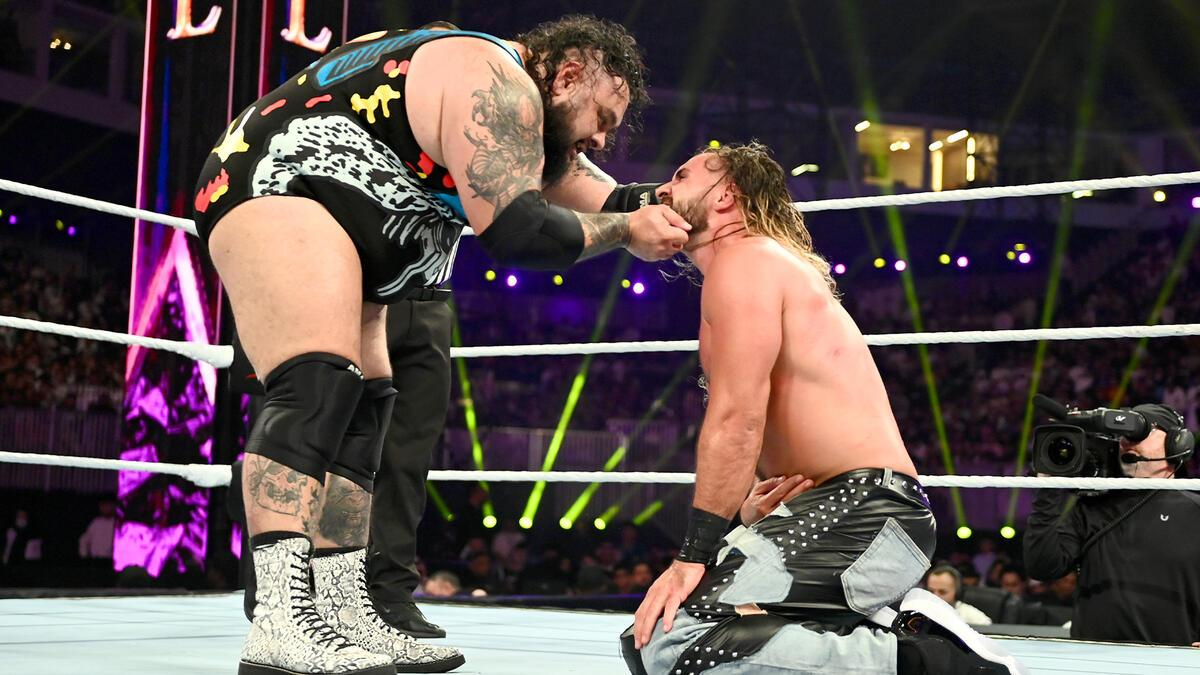
WWE's Crown Jewel event in Riyadh, Saudi Arabia, on November 7, 2026, brought together some of the company's most prominent performers. For Reed, the international event would ultimately mark the final televised appearance of his professional wrestling career.
During a confrontation involving fellow wrestler Oba Femi, Reed sustained injuries that reportedly required hospital treatment. Wrestling industry journalists subsequently reported that he remained in Saudi Arabia while other WWE personnel returned home.
On November 10, Fightful reported that a senior WWE executive and a member of the company's medical team had remained overseas to assist with his situation. Their presence reflected the seriousness of the circumstances surrounding his recovery.
The incident highlighted a distinction frequently overlooked by audiences unfamiliar with professional wrestling. Although the industry's storylines and competitive outcomes are predetermined, the physical demands of its performances remain real.
Even experienced wrestlers participating in carefully coordinated events can sustain injuries requiring extensive treatment. The consequences may extend beyond the original trauma, depending on the nature of the injuries and the patient's subsequent recovery.
Reports emerging after Crown Jewel initially appeared to offer encouraging news about Reed's condition. According to industry reporting, the wrestler returned to the United States on November 18 following his hospitalization overseas.
For supporters who had watched him overcome previous injuries, the development suggested that another period of recovery had begun.
The nine days separating Reed's reported return to the United States and WWE's announcement of his death represent an important gap in the public timeline.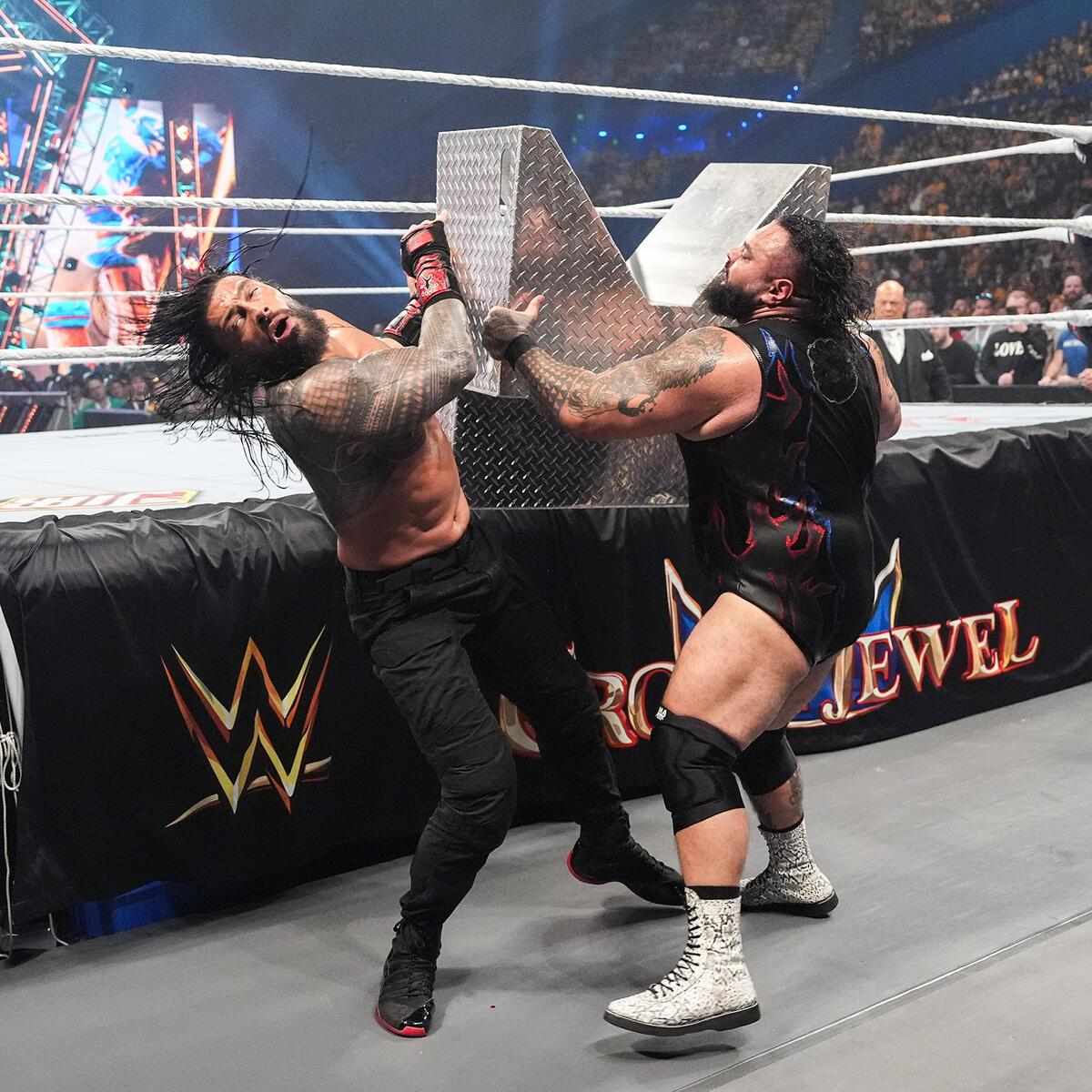
Details concerning his medical condition during that period, including the treatment he received and the circumstances immediately preceding his death, remain private.
The medical circumstances surrounding the unexpected death of a relatively young athlete can generate questions about medications, underlying health conditions and exposure to different substances.
Toxicology testing is one of several medical tools that specialists may use when investigating an unexpected death. Laboratory examinations can identify certain substances and, depending on the testing method, determine their concentrations within biological samples.
According to medical guidance published through the National Library of Medicine, interpreting toxicology findings requires consideration of medical history, previous exposure, clinical circumstances and the limitations of individual testing methods.
Certain screening tests can also produce misleading preliminary results, making additional laboratory confirmation necessary in some cases.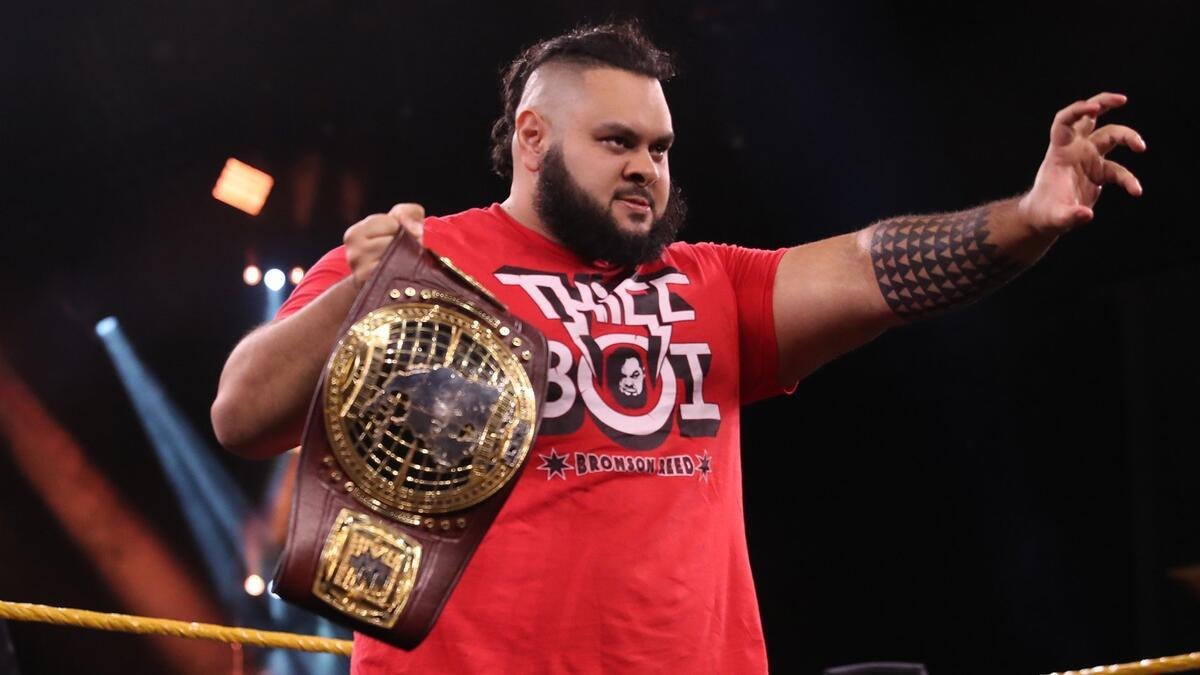
Professional wrestling occupies an unusual position between competitive athletics and live entertainment. Performers must maintain substantial physical conditioning while participating in demanding sequences designed to entertain television and arena audiences.
Heavyweight wrestlers face the additional challenge of maintaining mobility and endurance while performing at considerable body weights.
These responsibilities become particularly important when injuries involve internal organs, significant fractures or other complications requiring continued monitoring.
Reed's career had already included periods of recovery from injuries before his final appearance. His ability to return to competition helped establish his reputation among wrestling supporters.
Determining the medical circumstances surrounding Reed's death will require information specific to his condition rather than general observations about professional wrestling.
The death of a professional athlete can also bring attention to the financial arrangements designed to protect surviving family members.
Unlike workers in many conventional occupations, professional athletes may experience substantial fluctuations in income throughout their careers. Earnings can depend on contractual arrangements, performance schedules, sponsorship opportunities and the ability to remain medically fit for competition.
Life insurance can provide financial protection against the loss of future household income. Depending on the policy, benefits may help surviving family members meet housing expenses, childcare costs, educational commitments and other financial obligations.
Different forms of protection may also address injuries that prevent athletes from continuing their careers. Disability insurance, accident coverage and life insurance serve different purposes and generally operate under separate contractual conditions.
The amount payable under a life insurance contract generally depends on the coverage purchased, the policy's conditions and whether the relevant requirements have been satisfied.
A $10 million death benefit would represent substantial financial protection, potentially reflecting a policyholder's anticipated lifetime earnings, family obligations or other financial planning considerations.
An insurance company would ordinarily need documentation confirming the insured person's death and establishing the identity of the legally designated beneficiaries before completing a claim.
In some circumstances, additional information may be required before payment can proceed.
No insurance company, regulatory authority or publicly identified legal representative has confirmed that Reed maintained a $10 million policy or that a payment of that amount has been suspended.
The financial arrangements of his household remain separate from the medical information released by WWE.
Life insurance contracts frequently contain provisions governing the circumstances under which an insurer may review information supplied during the application process.
One of these provisions is commonly known as the contestability period. In many American life insurance contracts, this period generally lasts two years following the commencement of coverage.
During that time, an insurer may examine whether material information provided during the application process was accurate. Certain insurance products may also establish a separate review period for increases in coverage that required additional evidence of insurability.
Standards published by the Interstate Insurance Product Regulation Commission address these arrangements for several categories of insurance products. The applicable requirements depend on the type of contract and the jurisdiction governing it.
There are numerous ordinary reasons for adjusting financial protection, including changes in income, family circumstances and long-term financial obligations.
Any decision to contest payment must be evaluated under the relevant contract and applicable legal requirements.
Financial planning frequently changes in response to developments in an individual's professional or personal circumstances. Purchasing a home, entering a new employment agreement or preparing for additional family responsibilities may all influence decisions about insurance coverage.
The New York State Department of Financial Services has previously warned insurers against challenging legitimate life insurance claims solely because an insured person died during the contestability period.
In regulatory guidance issued in 2017, the department emphasized that insurers must have appropriate evidence supporting allegations of material misrepresentation rather than improperly transferring the burden of proof to beneficiaries.
Department of Financial Services
Although the precise rules differ between jurisdictions, the guidance illustrates an important distinction between routine claim review and substantiated evidence of misconduct.
In the case of Bronson Reed, no authenticated insurance documents establish that his coverage increased during the month preceding his death.
Insurance claims may remain pending for several administrative reasons. Companies sometimes require additional documentation concerning a policyholder's death, the identity of beneficiaries or the applicability of particular contractual provisions.
A formal legal dispute involving insurance proceeds would generally require more specific circumstances. Depending on the jurisdiction, these could include competing claims to benefits, contractual disagreements or court proceedings.
Public reporting about Reed's death has not identified an insurance company involved in such a dispute.
There has also been no verified announcement of a court order restricting his estate or preventing the distribution of insurance proceeds.
WWE's announcement also acknowledged the personal loss experienced by Haley's family, including his pregnant wife, Paige, and their daughter.
For surviving family members, the unexpected death of a professional athlete can bring significant emotional and practical responsibilities. These may include managing household arrangements, communicating with employers and addressing financial obligations.
Some of those matters can remain private even when the deceased individual was internationally recognized.
No public statement from law enforcement, medical authorities or an insurer identifies Reed's wife as a suspect in criminal conduct connected to his death.
WWE's statement expressed sympathy for the family, whose loss extends beyond the professional wrestling community.
Following the announcement, WWE acknowledged Reed's contributions to professional wrestling and the relationships he developed with colleagues throughout his career.
According to Yahoo Sports, the company held a traditional ten-bell salute in his memory during a live event at Akins Ford Arena in Athens, Georgia.
The tribute reflected a longstanding wrestling tradition used to honor individuals who have died. For audiences and fellow performers, such ceremonies provide an opportunity to recognize an individual's contributions to the industry.
Reed's career had taken him from South Australia to international arenas, where he developed a recognizable identity through championship achievements and physically demanding performances.
His death has brought those achievements back into public discussion while raising understandable questions about the medical events that preceded it.
The documented timeline begins with Reed's final televised appearance on November 7, followed by hospitalization in Saudi Arabia and a reported return to the United States on November 18.
On November 27, WWE announced that he had died from medical complications at the age of 38.
The exact complication responsible for his death has not been publicly identified. There is no authenticated toxicology report confirming stimulant use, no documented $10 million insurance dispute and no evidence establishing that a relative anticipated his death.
These are separate questions requiring separate forms of evidence. Medical findings would be necessary to establish the cause of death, while insurance records would be required to establish the existence and status of any financial claim.
For the professional wrestling industry, Reed's passing has highlighted the importance of medical care, injury recovery and long-term financial protection for performers and their families.
For his supporters, the confirmed timeline provides an account of a career unexpectedly interrupted following a period of serious medical difficulties.
Further information, if released by appropriate medical authorities or authorized family representatives, could provide a clearer explanation of what happened during his final days.
Until then, the most firmly established legacy of Jermaine Haley remains the career he built, the audiences he entertained and the family and colleagues mourning his death.
Comments (0)
Loading comments...
May You Like

EAST COAST STORM CRISIS—5 MILLION AT RISK OF BLACKOUTS, WATER, AND HEATING FAILURES!


MINNESOTA NIGHTMARE—UNDERGROUND GAS LEAK, HUNDREDS OF HOMES AT RISK, $300M DAMAGE!









Popular Posts




