
XI PRESSURES TRUMP OVER UKRAINE AS HORMUZ OIL TALKS TURN BITTER
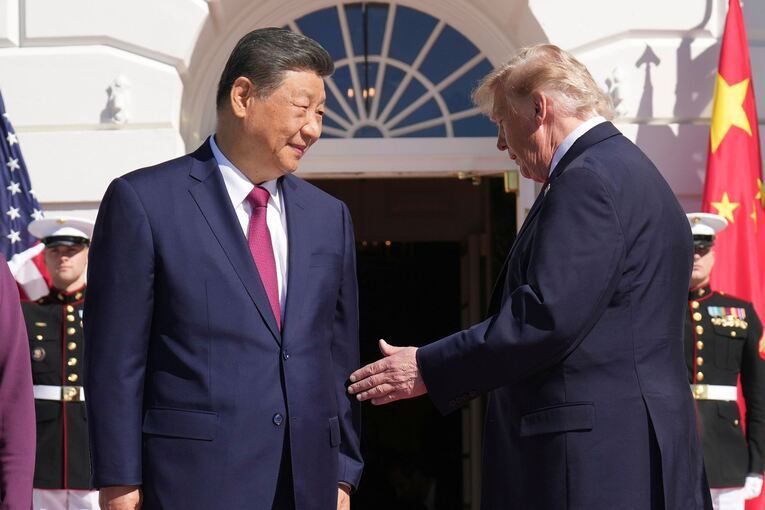
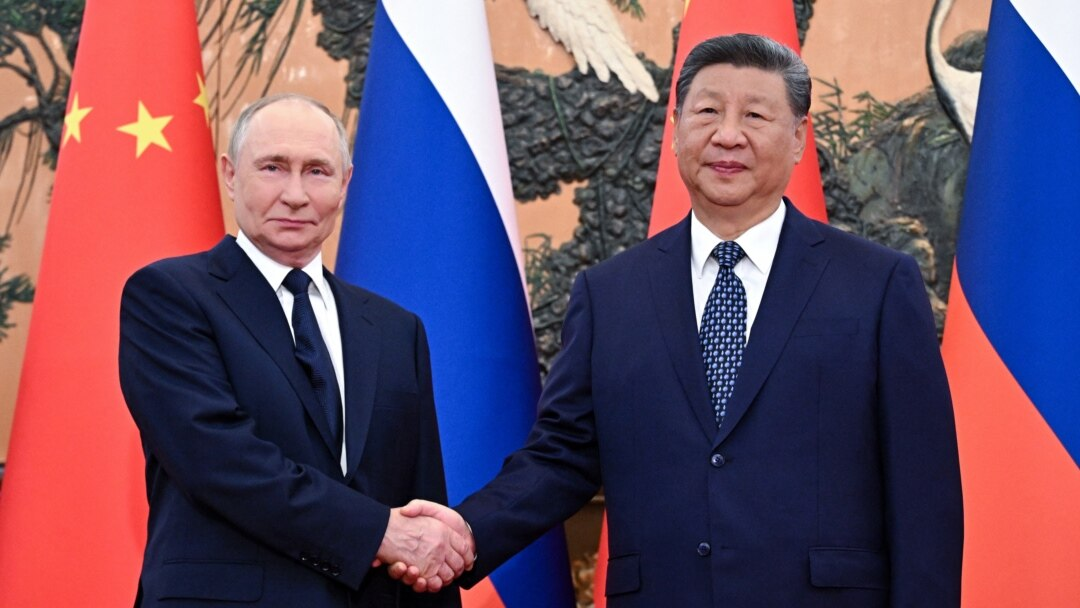
SHENZHEN, CHINA — NOV 19, 2026 — A meeting bringing together the leaders of China, the United States and Russia has placed Xi Jinping at the center of competing diplomatic priorities.
The talks around the Asia-Pacific Economic Cooperation summit have attracted attention from governments whose interests extend from European security to shipping routes in the Middle East.
With Donald Trump and Vladimir Putin also pursuing separate discussions, the gathering has raised questions about how Beijing might navigate relationships with both Washington and Moscow.
China has maintained extensive economic ties with Russia since Moscow launched its full-scale invasion of Ukraine in 2022, while continuing to conduct substantial trade with the United States and Europe.
Those relationships give Beijing reasons to follow the war and its diplomatic consequences closely, even as its interests do not necessarily match every demand made by the other governments.
Energy supplies are another priority for China, a major buyer of Iranian oil whose economy also depends on the stability of international shipping routes across the Middle East.
Trump said he and Xi shared an interest in seeing oil shipped through the Strait of Hormuz, where attacks during the war involving Iran have disrupted commercial traffic.
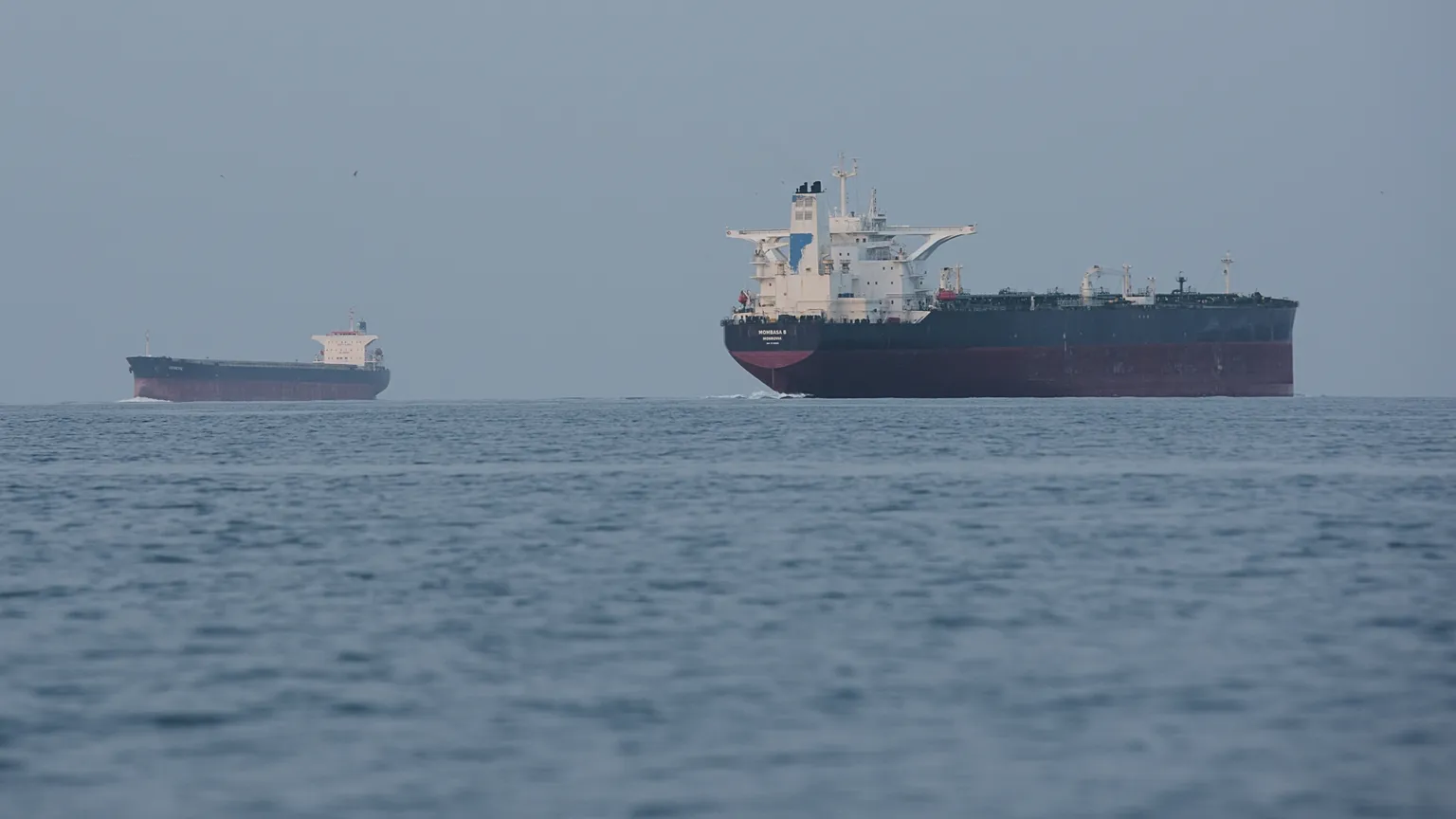
A safer passage could help importers and ease pressure on energy prices, although governments still disagree over how to achieve it and what role foreign powers should play.
Beijing’s relationship with Tehran gives it potential diplomatic influence, but neither commercial ties nor a shared interest in shipping guarantees that China can produce a particular outcome.
Andrew Peek, a former US national security official now at the Atlantic Council, has argued that both Washington and Beijing would benefit from a more accessible waterway.
The summit agenda also developed over time, with US officials initially saying that Russia’s war in Ukraine was not expected to be an explicit topic of the three-way meeting.
Trump later said he wanted to discuss Ukraine, and Kremlin adviser Yuri Ushakov indicated that the leaders would likely touch on the war among other international issues.
Those later comments make the initial account of an agenda dispute incomplete, because they show that Washington’s publicly described priorities were not fixed throughout the preparations.
China’s position on the format has also required interpretation, with Reuters reporting that negotiations had not settled the agenda or format as of Nov 14, according to people familiar with the planning for the meeting.
Meanwhile, Ukrainian President Volodymyr Zelenskyy has expressed concern about major powers discussing his country’s future without Kyiv, a concern shared by European partners watching the talks.
Russia seeks control over the Donbas and an end to Ukraine’s ambition to join NATO, positions that remain central obstacles to an agreement with Kyiv and its allies.
Understanding those demands matters to any government assessing a possible settlement, because territorial control and future security guarantees remain unresolved in the negotiations.
But the public record does not establish that Xi demanded answers on Ukraine as a condition for supporting Trump’s effort to restore shipping through Hormuz.
Nor has reliable reporting shown that Xi possesses a specific hidden revelation about Ukraine that explains such a demand, or that the leaders reached a linked oil-for-Ukraine bargain.
The evidence supports a narrower answer: Xi has reasons to monitor both conflicts and protect China’s interests, while his private knowledge and any undisclosed conditions remain unknown.
Comments (0)
Loading comments...
May You Like

ELON MUSK'S MILLION-SATELLITE MEGAPROJECT — THE NEXT FRONTIER OF AMERICAN SPACE POWER?

PACIFICA PIER IN CALIFORNIA COLLAPSE REVEALS MASSIVE CRACK BENEATH THE OCEANs!

ELON MUSK’S $18 BILLION SPACEX STOCK GIFT FOR EVERY AMERICAN CHILD







Popular Posts





