
Trump Warns Iran: “You’ll Know Soon Enough”
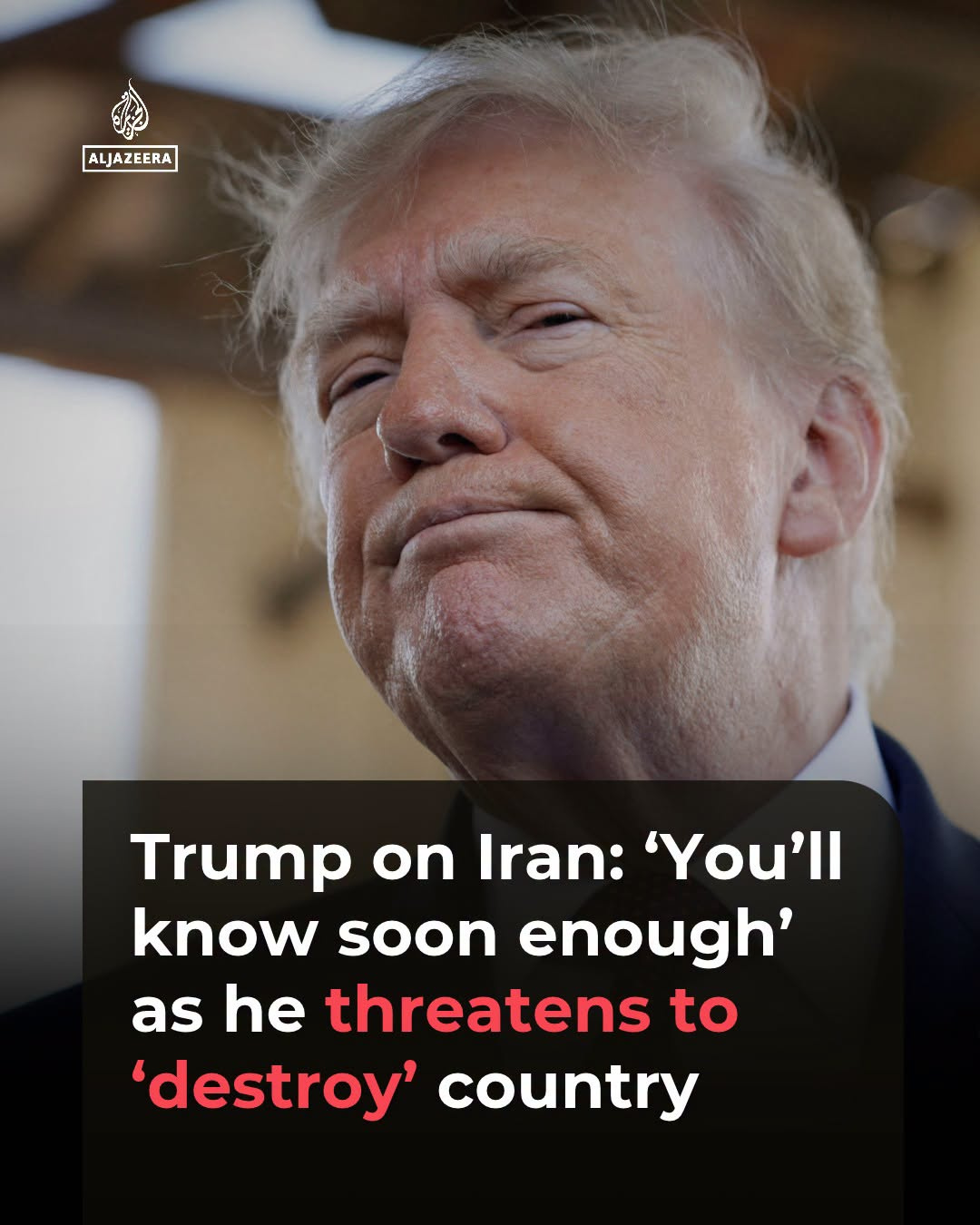
Trump Warns Iran: “You’ll Know Soon Enough” as Washington Weighs Renewed Military Strikes
November 7, 2026 | U.S. Politics | Middle East Crisis
President Donald Trump has issued another stark warning to Iran, saying the United States may have to destroy what remains of the country if diplomatic efforts fail.
Speaking to reporters at the White House on November 5, Trump said he would prefer to avoid further destruction but refused to rule out additional military action.
“I would rather not destroy the rest of the country if possible, but maybe I’ll have to. You’ll know soon enough,” Trump told reporters.
The comments followed meetings with senior national security advisers, during which officials discussed whether Washington should resume large-scale military operations against Iran.
Trump framed the decision around permanently preventing Iran from rebuilding its nuclear capabilities, suggesting that another military campaign could be necessary to achieve that objective.
He also claimed that Iran would need approximately 25 years to rebuild its damaged infrastructure and military capabilities following previous American operations.
The military option could involve renewed attacks against Iranian nuclear facilities, missile infrastructure, and other strategic military targets.
US Central Command is reportedly completing preparations for possible major combat operations. However, American officials have indicated that no new order to resume large-scale attacks has been issued.
That distinction is important because military contingency planning does not automatically mean an attack is imminent or that the president has made his final decision.
The renewed warning comes after Trump's Republican Party suffered a major setback in the November 3 midterm elections, increasing domestic political pressure over the conflict.
The war has raised concerns about military spending, energy prices, regional instability, and the possibility that American forces could become involved in a prolonged confrontation.
Trump's advisers reportedly disagree over the next move. Vice President JD Vance and special envoy Steve Witkoff favor pursuing diplomacy, while other officials support maintaining military pressure.
Meanwhile, Qatar has continued efforts to mediate between Washington and Tehran, attempting to create conditions for a temporary agreement and renewed nuclear negotiations.
Proposals under discussion reportedly include changes to the American naval blockade, the release of some frozen Iranian funds, and access for international nuclear inspectors to damaged facilities.
Iran's government faces a difficult choice. Accepting American conditions could require significant concessions, while rejecting negotiations risks further military and economic pressure.
The Strait of Hormuz remains another major concern. Any escalation threatening commercial shipping through the waterway could disrupt international oil supplies and increase energy prices.
Iran has repeatedly warned that further attacks would invite retaliation, raising the possibility that a renewed American campaign could spread beyond the immediate targets.
Israel is also closely watching Washington's decision. Prime Minister Benjamin Netanyahu has consistently argued that Iran's nuclear and missile capabilities represent an existential security threat.
However, regional governments are concerned that another major military confrontation could destabilize the Gulf and undermine diplomatic efforts to restore shipping and economic activity.
For Trump, the decision presents competing risks: further strikes could damage Iran's military capabilities, but they could also trigger retaliation and deepen America's involvement.
A diplomatic settlement could reduce those risks, although Washington and Tehran remain divided over nuclear restrictions, sanctions, military guarantees, and control of strategic waterways.
For now, Trump's message is unmistakably threatening, but the next stage of the conflict remains undecided. His administration must choose between escalation, continued pressure, and negotiations.
Comments (0)
Loading comments...
May You Like

FCC CLEARS SPACEX FOR ONE MILLION AI SATELLITES AS ASTRONOMERS SOUND ALARM

BANGCHAK REFINERY DISASTER IN THAILAND—120,000 BARRELS A DAY SHUT DOWN, U.S. OIL PRICES SURGE 10%!

TOLEDO I-75 TRUCK CRASH — POTENTIAL BRIDGE COLLAPSE AND MILLIONS IN DAMAGE!

Latest Posts









Popular Posts



